Search Icon




What are scientists looking for when searching for alien life? A lot, it turns out: the search for extraterrestrials requires the help from astronomers, planetary scientists, chemists, computer scientists, and geneticists, just to name a few. But are we barking up the wrong carbon-based tree?

This video is part of our Brilliant Breakthroughs series: our new 20-episode mini-series exploring the “Eureka!” moments and proud accomplishments of the greatest scientific minds of our time. Join us …
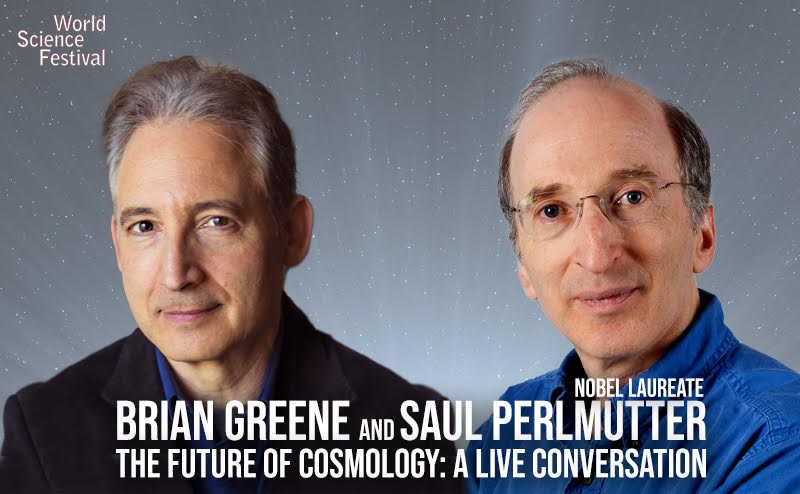
Winner of the 2011 Nobel Prize in Physics, Saul Perlmutter joins Brian Greene to discuss how new and upcoming space telescopes have the capacity to revolutionize our understanding of the …
Does your dog really think and feel like a human? Do our closest primate relatives have brains and emotions similar to ours? What about the storied intelligence of dolphins and singing humpback whales? And do other species hold surprises for us if we’re willing to look closely?

Synthetic blood mass-produced to meet supply shortages. Livers and kidneys “bioprinted” on demand. Missing fingers and toes re-grown with a jolt of bioelectricity. Regenerative medicine promises to do more than …

#YourDailyEquation with Brian Greene offers brief and breezy discussions of the most pivotal equations of the ages. Even if your math is a bit rusty, these accessible and exciting stories …