Search Icon




Getting old is an unavoidable truth of life. And yet, for most of modern history this mortal coil has baffled scientists. Over the past decade, however, researchers have made great strides in understanding the cellular, molecular, and genetic tableau of aging—which has brought the next question into sharp focus: Can aging be stopped?
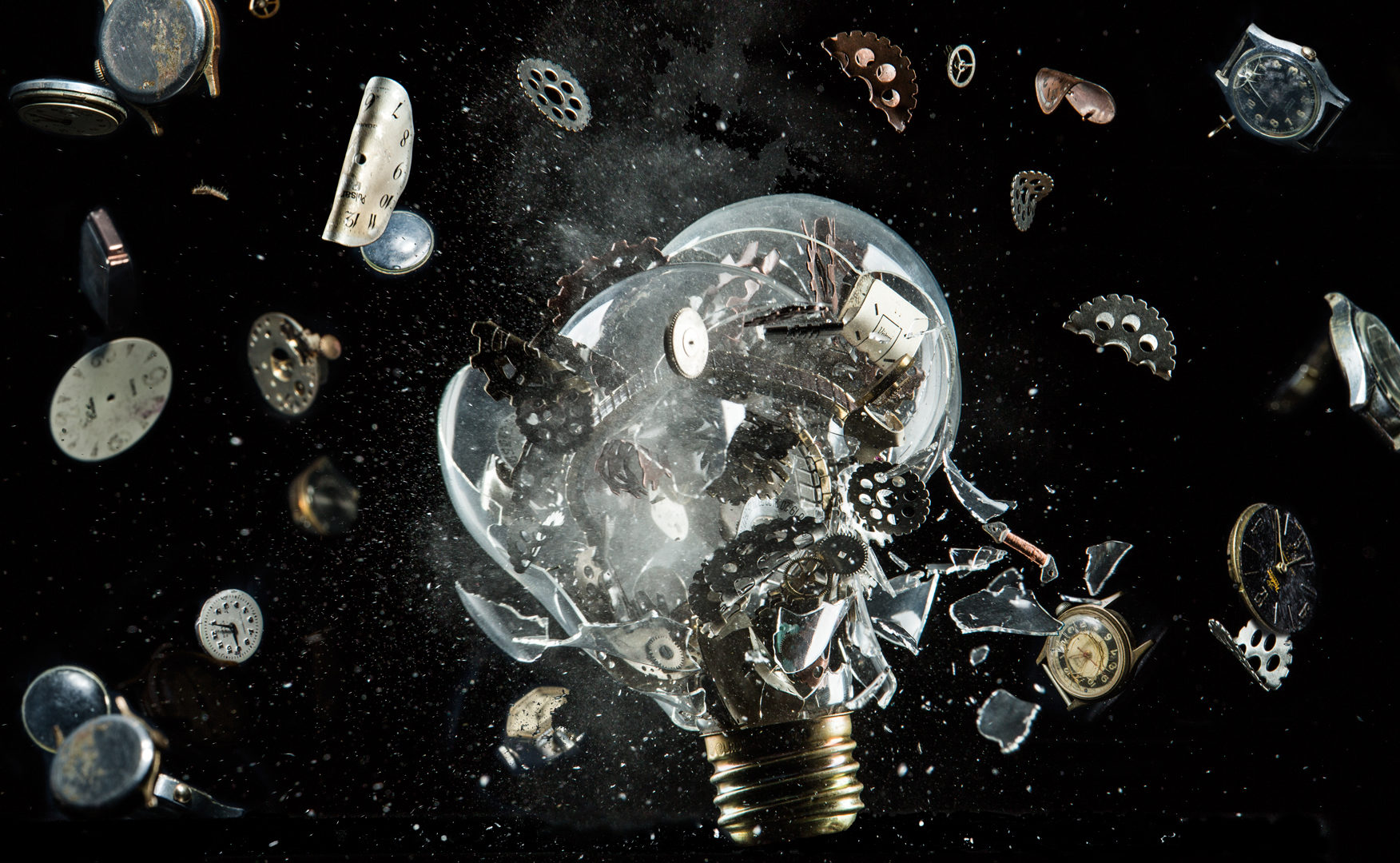
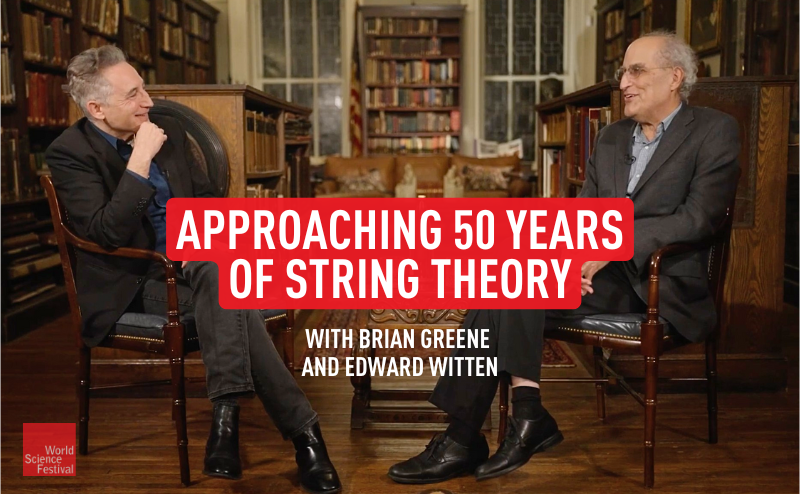
What is time? Isaac Newton described it as absolute, but Einstein proved that time is relative, and, shockingly, that time and space are intricately interwoven. Now recent work in string theory and quantum gravity suggests that space and time may not be fundamental. If this is true, what new picture of reality will emerge?
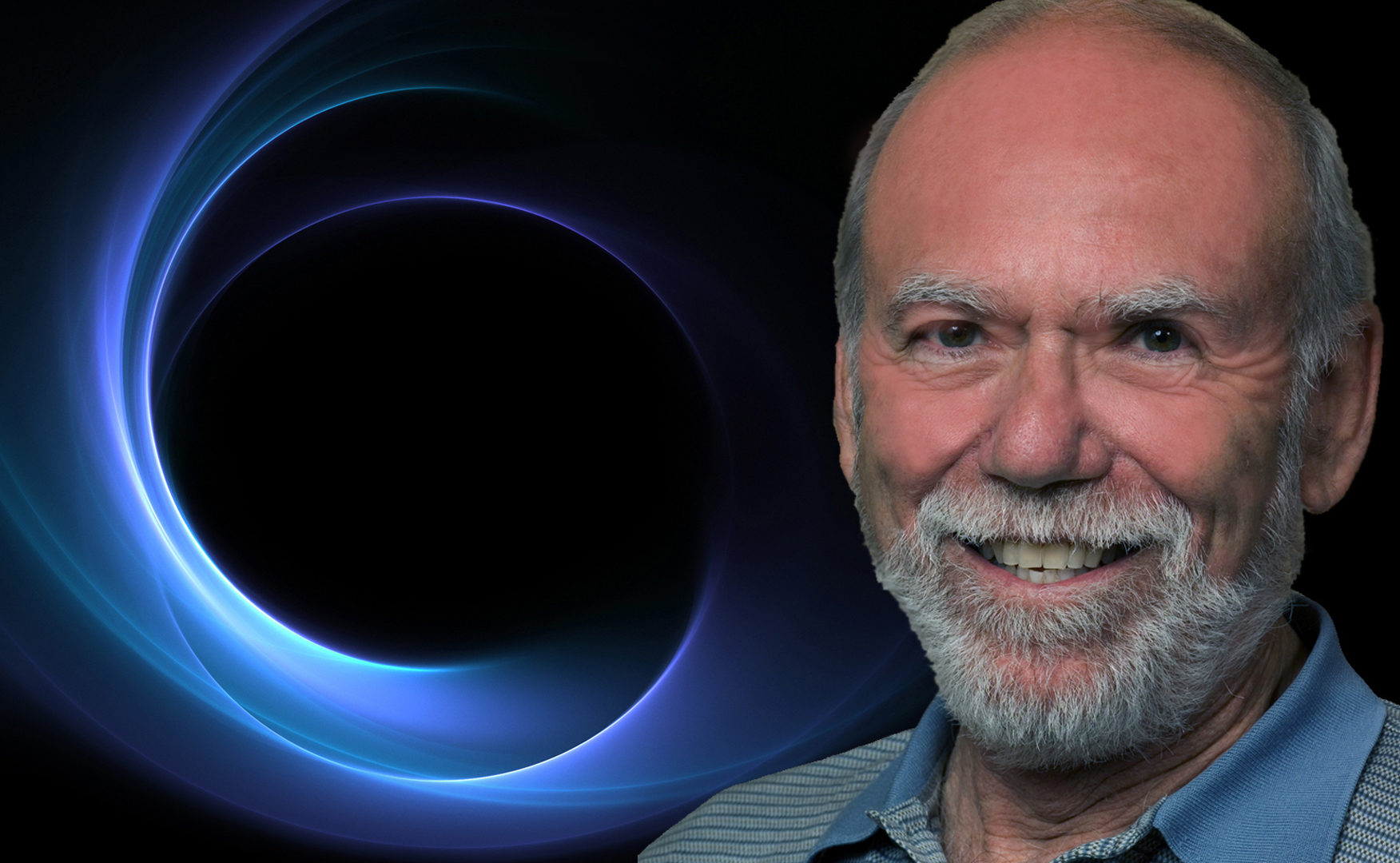
Acknowledging the scientists who blazed intellectual trails before him, Isaac Newton wrote, “If I have seen a little further it was by standing on the shoulders of giants.” In this special annual series, we invite our audience to stand on the shoulders of a modern-day giant. This year, we are honored to present an address by a titan of physics, Barry Barish.
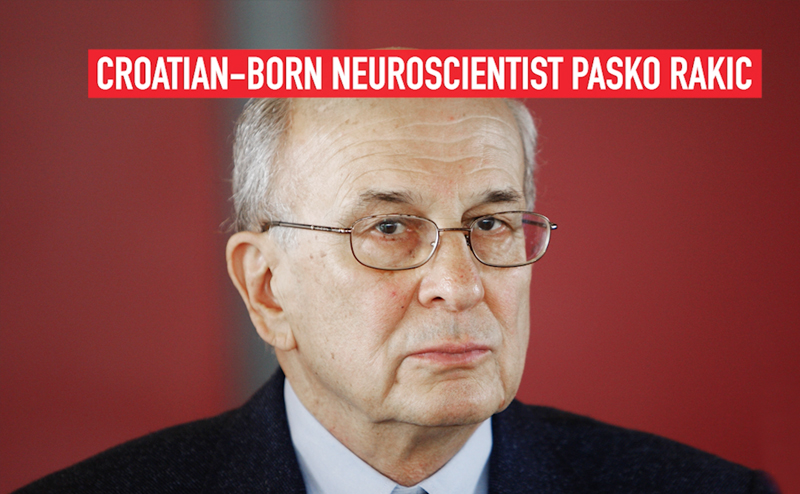
What’s the most complex structure in the known universe? Hint: You’re using it right now to answer to this question. While you keep brainstorming, let’s discuss your cerebral cortex. This …
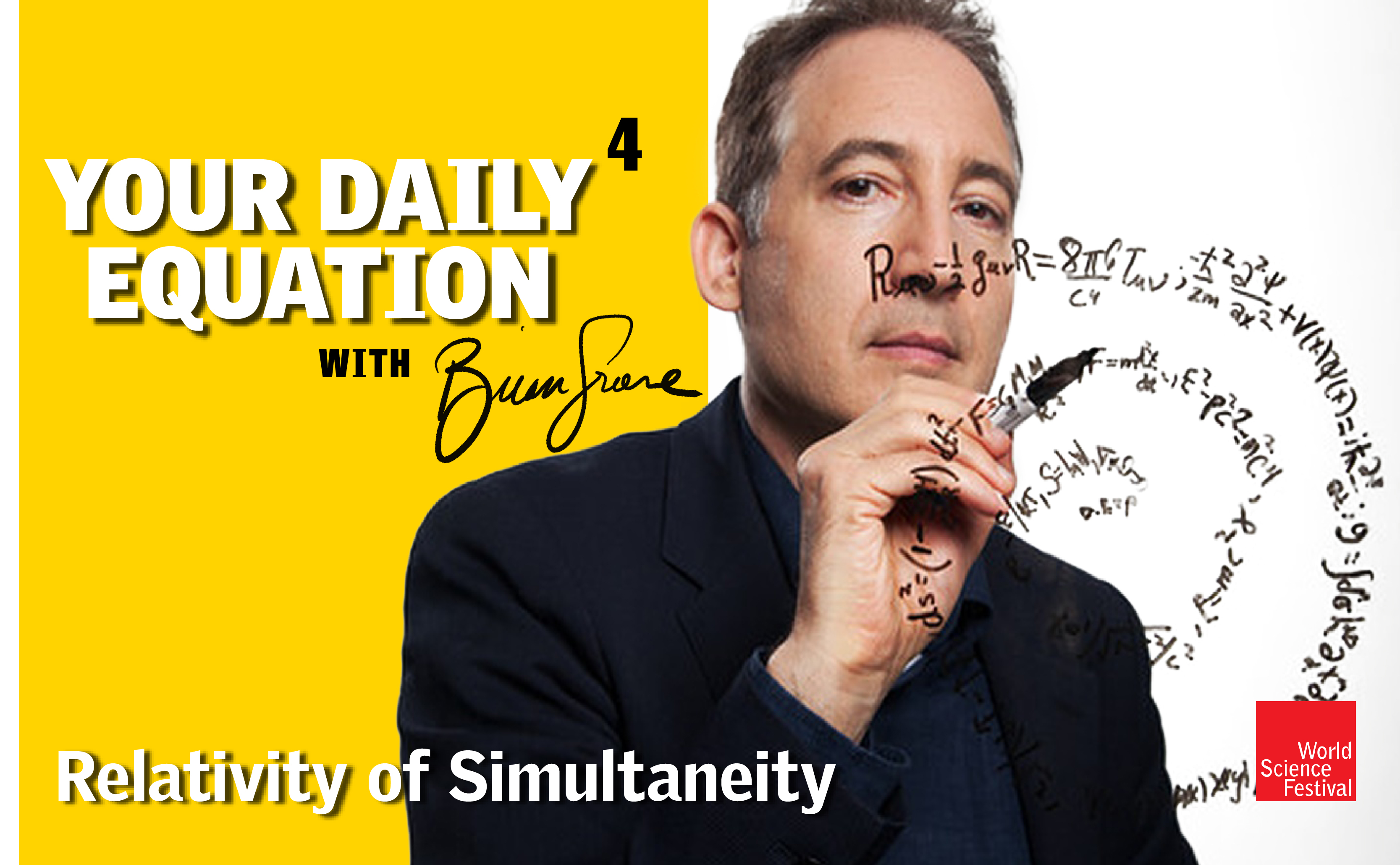
#YourDailyEquation with Brian Greene offers brief and breezy discussions of the most pivotal equations of the ages. Even if your math is a bit rusty, these accessible and exciting stories …

A second doesn’t always feel like a second—time can seem to slow down if you’re riding a death-defying roller coaster, or speed up while you’re having a night out on the town. But just what’s going on inside our heads to skew our perception of time?