Search Icon




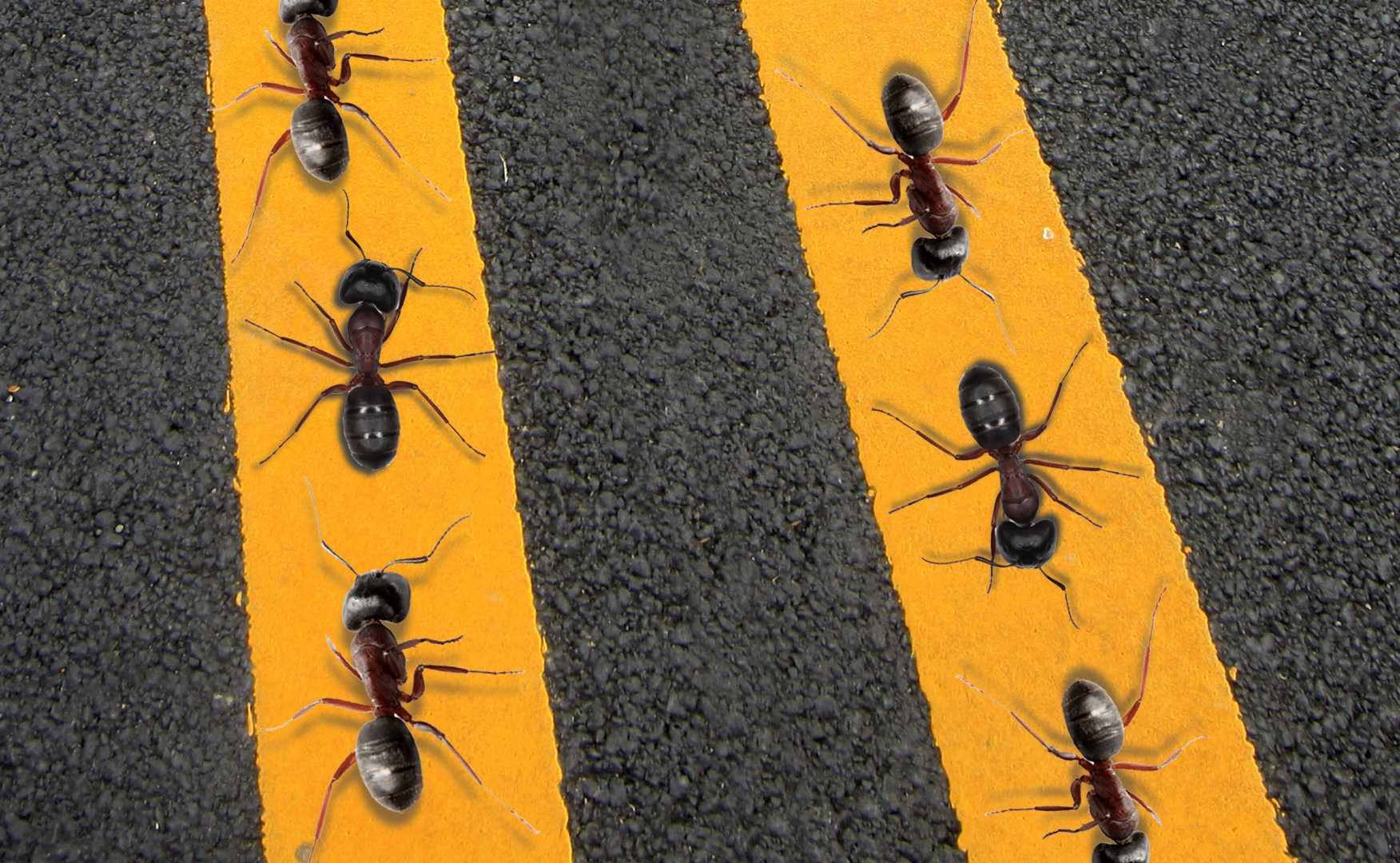
Can marching ants, schooling fish, and herding wildebeests teach us something about the morning commute? Robert Krulwich guides this unique melding of mathematics, physics, and behavioral science as Mitchell Joachim, Anna Nagurney and Iain Couzin examine the creative and sometimes counter intuitive solutions to one of the modern world’s most annoying problems.
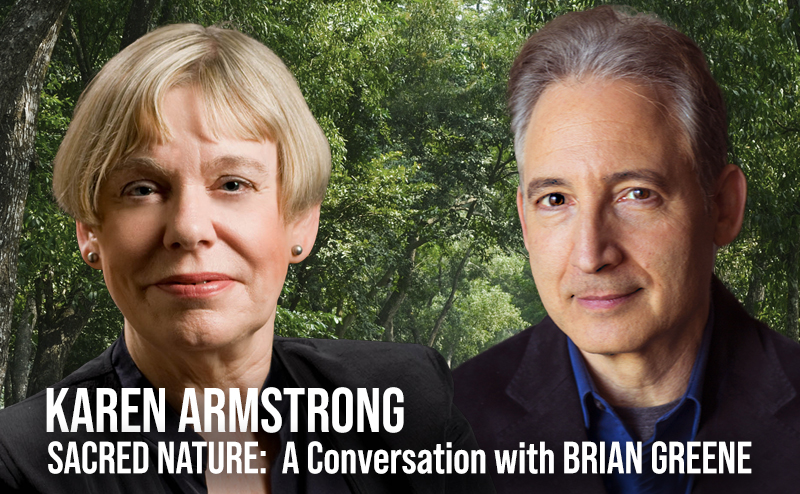
Bestselling author and religious historian Karen Armstrong joined Brian Greene for a conversation exploring humankind’s evolving relationship with the Earth, life, and the cosmos. To save ourselves and the planet, …

A new generation of technology is revolutionizing neuroscience, allowing a closer study of the brain than had ever seemed possible. The techniques are hybrids of optics, genetics, and synthetic biology …

The multiverse hypothesis, suggesting that our universe is but one of perhaps infinitely many, speaks to the very nature of reality. Join physicist Brian Greene, cosmologists Alan Guth and Andrei Linde, and philosopher Nick Bostrom as they discuss and debate this controversial implication of forefront research.
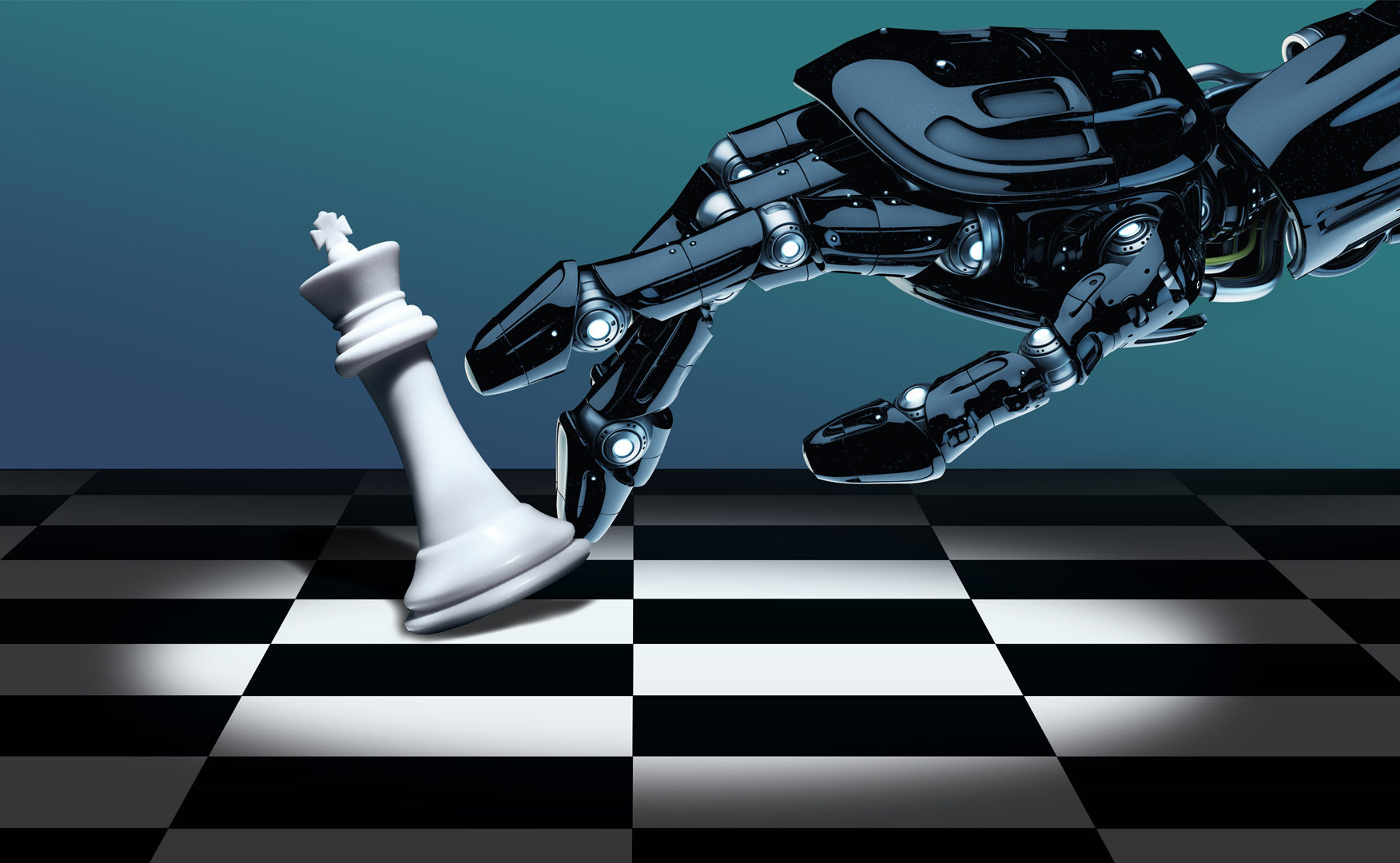
A self-driving car has a split second to decide whether to turn into oncoming traffic or hit a child who has lost control of her bicycle. An autonomous drone needs to decide whether to risk the lives of busload of civilians or lose a long-sought terrorist. How does a machine make an ethical decision?
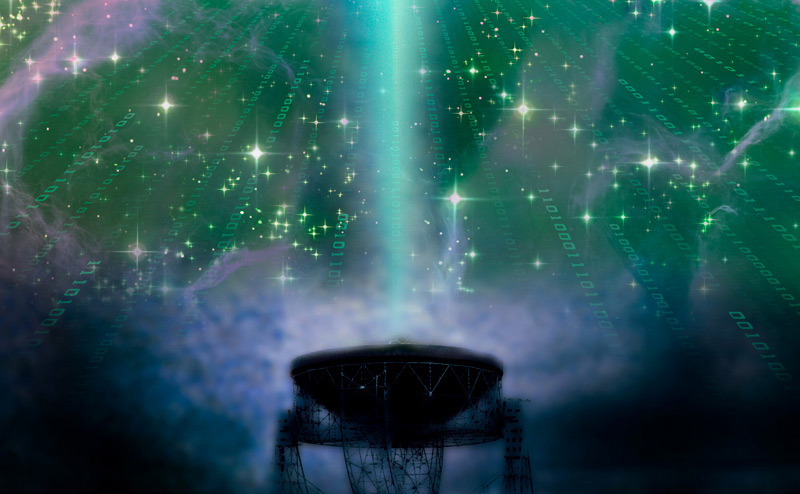
Alien life has been a mainstay and fascination of science fiction, but who–or what–might actually be out there: biological life, artificial intelligence, or some combination of both? It took only …