Search Icon




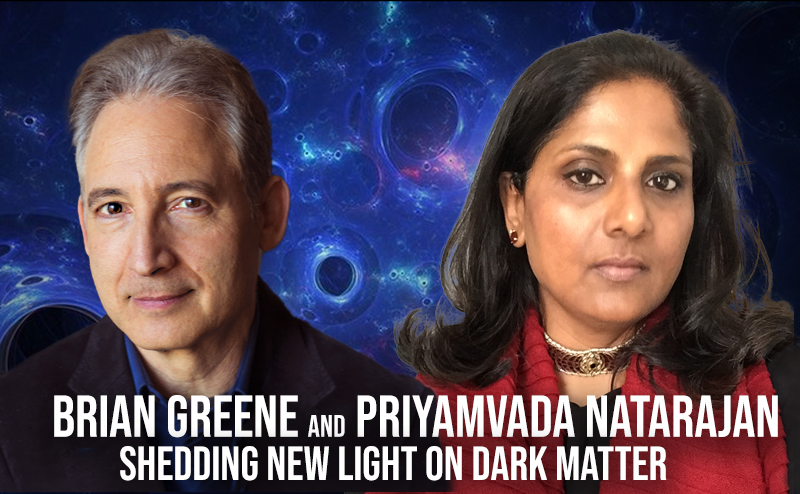
Enjoy Brian Greene’s thought-provoking conversation with Yale physics and astronomy professor Priyamvada Natarajan’s. Priyamvada’s latest research sheds new light on dark matter, with the potential to upend the whole dark …
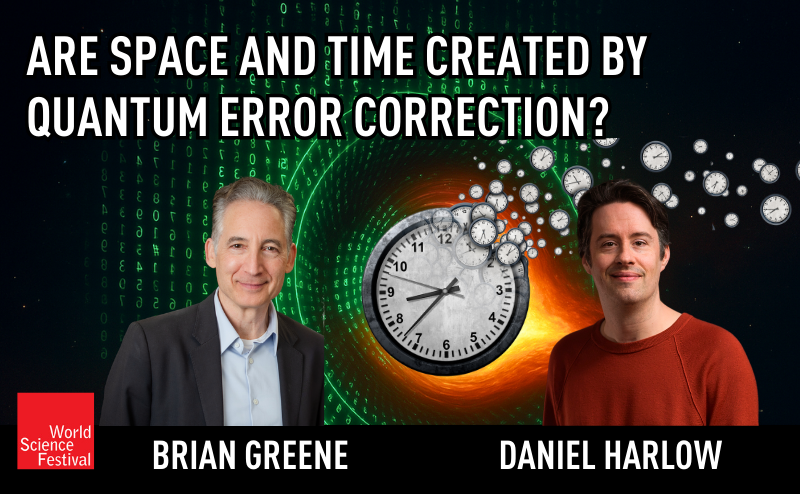
MIT physicist Daniel Harlow joins Brian Greene to explore black holes, holography, and the surprising connection between spacetime and algorithms that perform quantum error correction. This program is part of …
This video is part of our Brilliant Breakthroughs series: our new 20-episode mini-series exploring the “Eureka!” moments and proud accomplishments of the greatest scientific minds of our time. Join us …
Does your dog really think and feel like a human? Do our closest primate relatives have brains and emotions similar to ours? What about the storied intelligence of dolphins and singing humpback whales? And do other species hold surprises for us if we’re willing to look closely?
Neuroscientist André Fenton’s fascination with the human brain led him to study how we interpret the world. Check him out as he leads a group of students through interactive games …
There are many types of telescopes used in astronomy, but X-ray telescopes offer a view of the cosmos that reveal just how much of a living ecosystem the universe is. …