Search Icon




There are many types of telescopes used in astronomy, but X-ray telescopes offer a view of the cosmos that reveal just how much of a living ecosystem the universe is. …
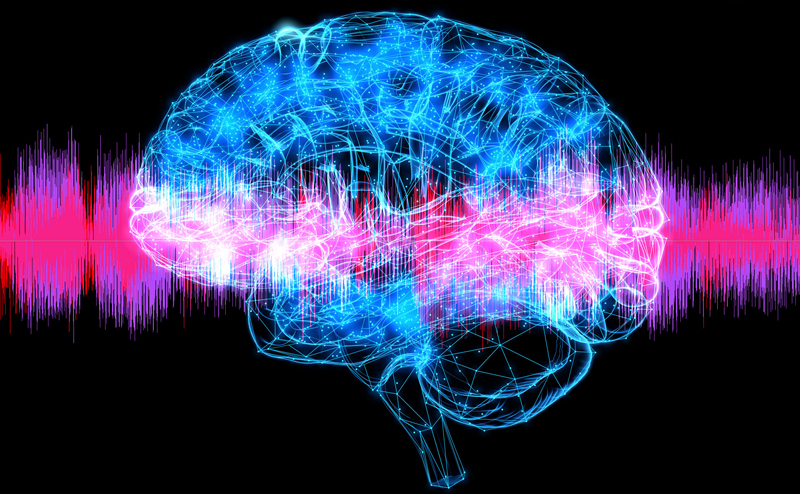
Is our response to music hard-wired or culturally determined? Is the reaction to rhythm and melody universal or influenced by environment? John Schaefer, scientist Daniel Levitin, and musical artist Bobby McFerrin engage in live performances and cross-cultural demonstrations to illustrate music’s noteworthy interaction with the brain and our emotions.

Researchers are racing to uncover the implications for the Arctic of rapidly vanishing polar ice – and they’re enlisting help from the very creatures that stand to gain the most from their discoveries: the Narwhal, Bowhead and Beluga whales, three of the most elusive species on Earth.
Does your dog really think and feel like a human? Do our closest primate relatives have brains and emotions similar to ours? What about the storied intelligence of dolphins and singing humpback whales? And do other species hold surprises for us if we’re willing to look closely?

Consciousness is a terrible curse. Or so says a character in screenwriter/director Charlie Kaufman’s Being John Malkovich. Part theater of the absurd and part neuroscience fiction, the Oscar-winning filmmaker’s work captures the splintering between what we perceive and what we feel as our brains grapple with multiple layers of reality.

Not long ago, the idea of a computer beating a human at chess was the stuff of science fiction. But some of the most creative programmers of the 1980s and 90s were determined to make it a reality. And they did.