Search Icon




Renowned computer scientist and virtual reality pioneer Jaron Lanier joins Brian Greene to explore revolutionary proposals for understanding, leveraging, and safeguarding AI. This program is part of the Big Ideas …
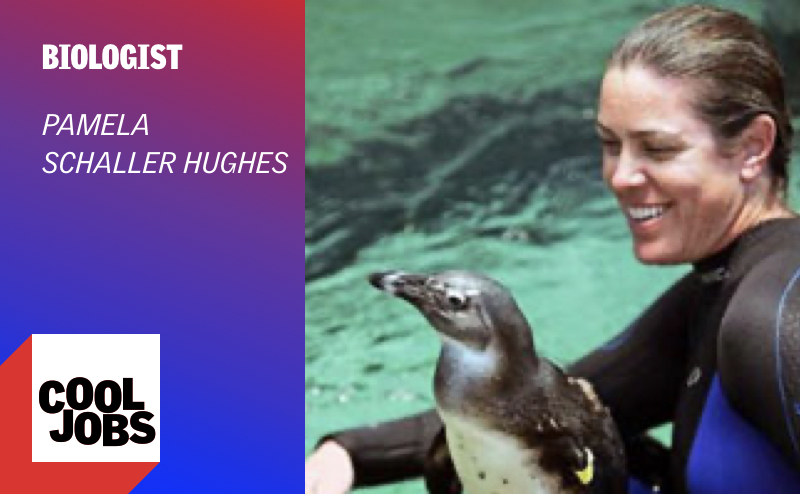
Using ultrasounds, inspecting tentacles, and making protective vests for penguins is all in a day’s work for aquatic biologist Pamela Schaller Hughes. Learn how she designs aquarium exhibits for endangered …
One of the strangest features of quantum mechanics is also potentially its most useful: entanglement. By harnessing the ability for two particles to be intimately intertwined across great distances, researchers …
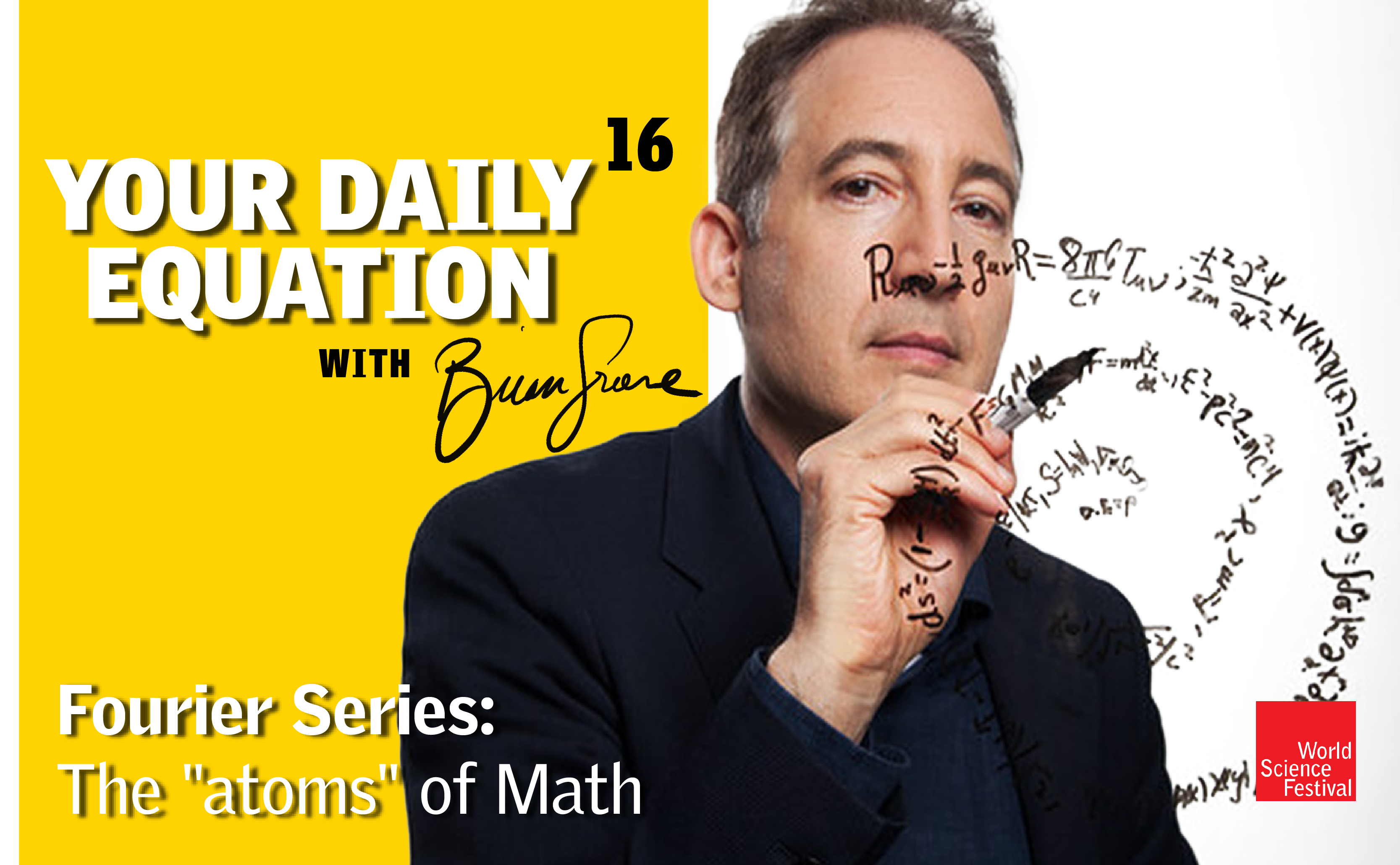
#YourDailyEquation with Brian Greene offers brief and breezy discussions of the most pivotal equations of the ages. Even if your math is a bit rusty, these accessible and exciting stories …
As physicists attempt to answer some of science’s biggest questions about the universe, they are testing the limits of experimental and observational science itself. In this program leading physicists, astronomers, …
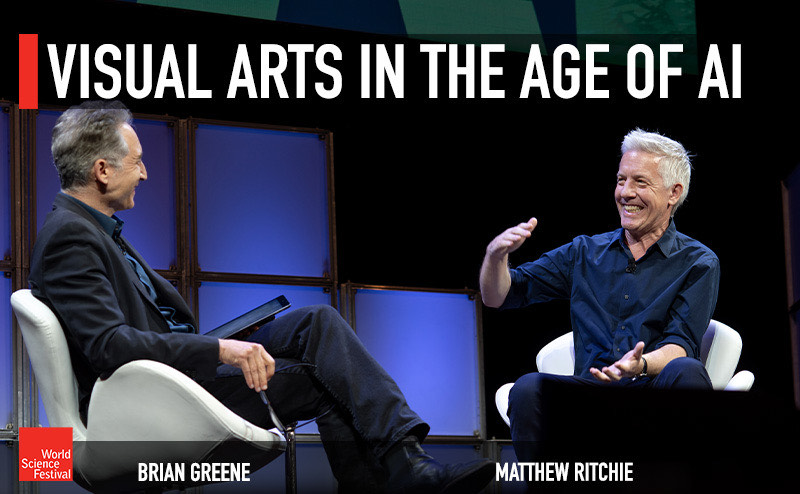
Is creative expression the exclusive domain of the human mind, or can artificial intelligence reach — or assist humans in reaching — the enigmatic brilliance of artistic genius? Renowned multimedia …