Search Icon




World renowned neurophysiologist and computational neuroscientist Christof Koch joins Brian Greene to discuss how decades of experimental and theoretical investigation have shaped his understanding of consciousness and the brain — …

By 2050, there will be nine billion people on the planet. CRISPR, the revolutionary gene editing technology, could help usher in the next Green Revolution, allowing us to feed our …
Does your dog really think and feel like a human? Do our closest primate relatives have brains and emotions similar to ours? What about the storied intelligence of dolphins and singing humpback whales? And do other species hold surprises for us if we’re willing to look closely?

How do we learn to speak? What is the connection between language and movement? Join a broad and distinguished panel of biologists, psychologists, neuroscientists, philosophers, musicians and writers.

By 2050, one of every four people on Earth will go hungry unless food production more than doubles. Science-based agriculture has proposed unconventional new tools—earthworms, bacteria, and even genes from sunny daffodils—to meet this towering challenge. But will such innovative ideas be enough?
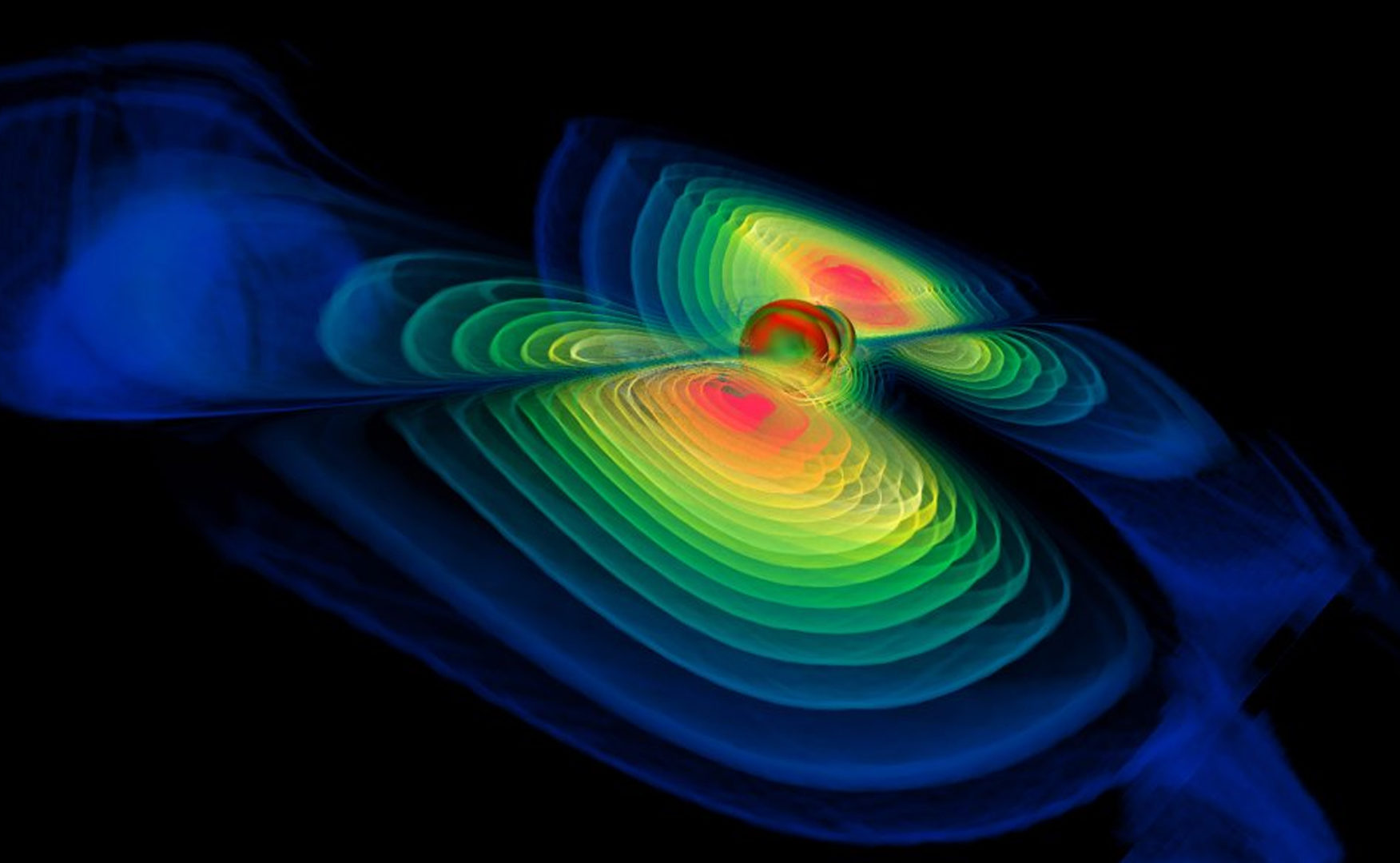
Marcia Bartusiak joins Kip Thorne, Laura Danly and Rainer Weiss to demonstrate how two observatories on opposite sides of the country, called LIGO (Laser Interferometer Gravitational-wave Observatory), may open a new window on observing the cosmos—one based not in light but in gravity.