Search Icon




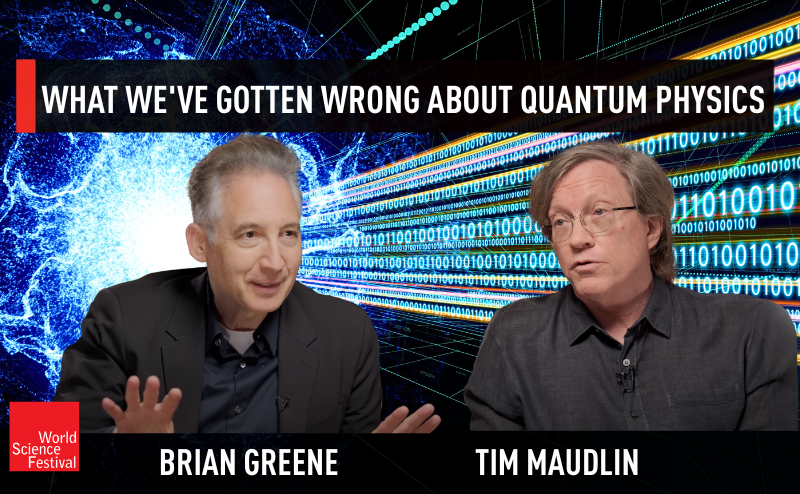
Are there unresolved foundational questions in quantum physics? Philosopher Tim Maudlin thinks so, and joins Brian Greene to explore possible answers. This program is part of the Big Ideas series, …

By identifying patterns in neural firings, non-invasive AI systems are learning to decode human thought and translate the result into language. Leading researchers Michael Blumenstein and Jerry Tang join Brian …
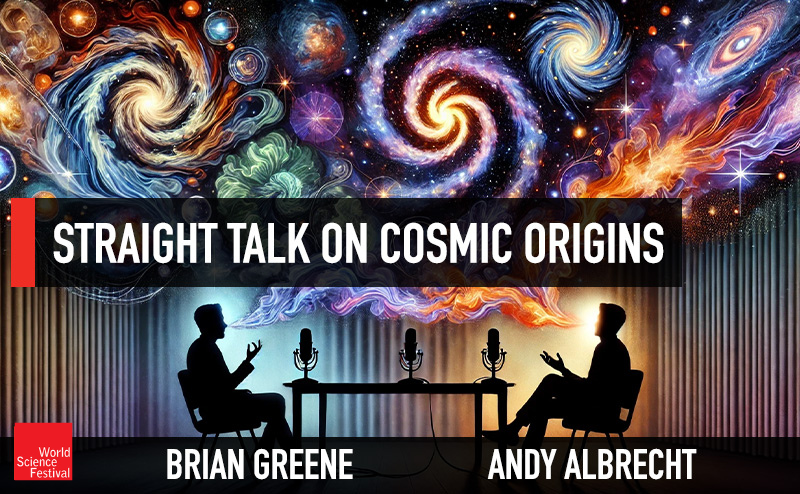
Inflationary Cosmology’s co-founder Andy Albrecht joins Brian Greene to examine cosmic mysteries from the highly ordered beginning of the universe to the possibility of a multiverse. This program is part …
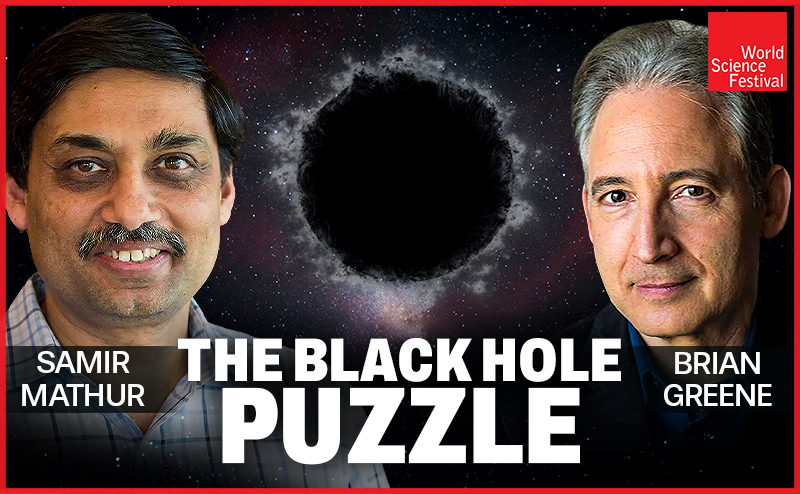
Brian Greene and physicist Samir Mathur explore one of the deepest puzzles in modern physics, the true nature of black holes and the fate of information in the universe. Their …
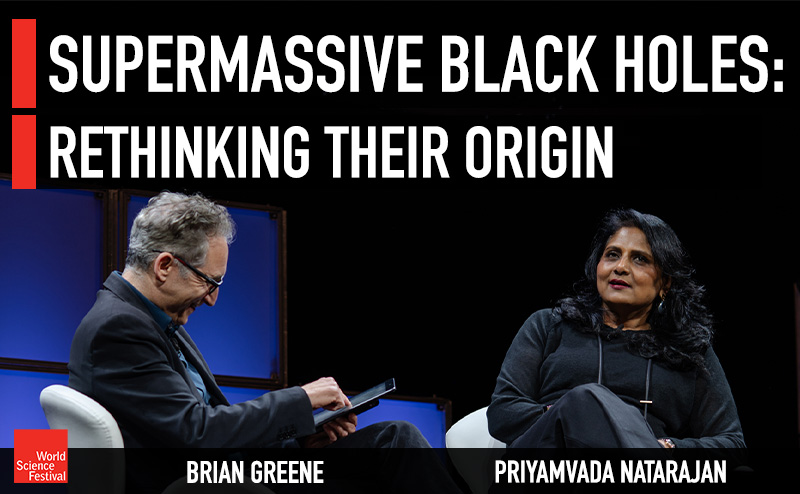
The mechanism of collapsing stars falls short of explaining the existence of supermassive black holes—giants that weigh millions or even billions of times the mass of the Sun. Astrophysicist Priya …
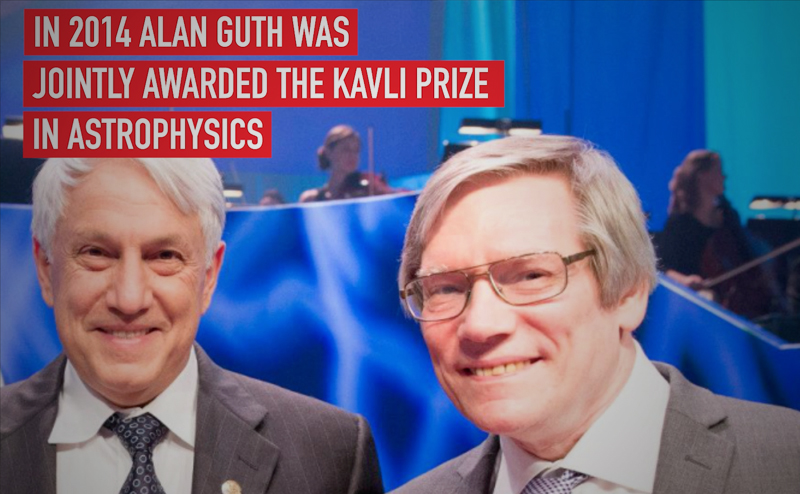
This video is part of our Brilliant Breakthroughs series: our new 20-episode mini-series exploring the “Eureka!” moments and proud accomplishments of the greatest scientific minds of our time. Join us …