Search Icon




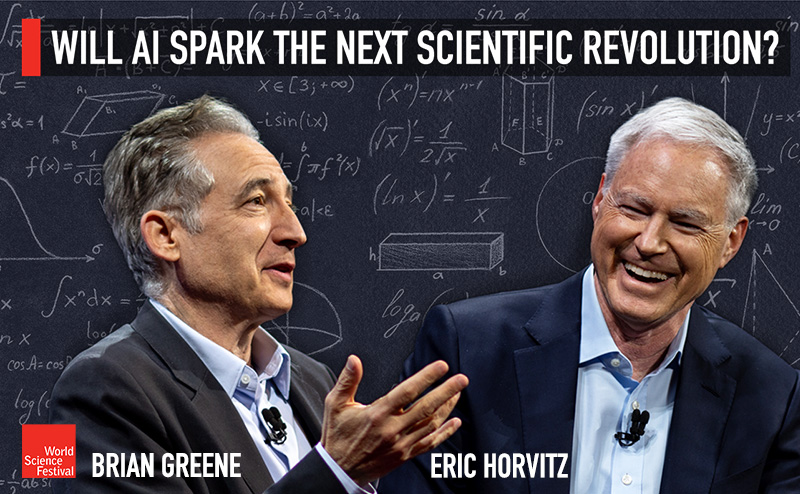
Brian Greene and Microsoft’s Chief Scientific Officer Eric Horvitz explore how AI may shape the future of fundamental scientific research. This program is part of the Big Ideas series, supported …

We make tools. It defines us. But since the first proto-human tied a stick to a stone, tools have also been making us. Join our panel of philosophers, anthropologists, and …

The mechanism of collapsing stars falls short of explaining the existence of supermassive black holes—giants that weigh millions or even billions of times the mass of the Sun. Astrophysicist Priya …

#YourDailyEquation with Brian Greene offers brief and breezy discussions of the most pivotal equations of the ages. Even if your math is a bit rusty, these accessible and exciting stories …
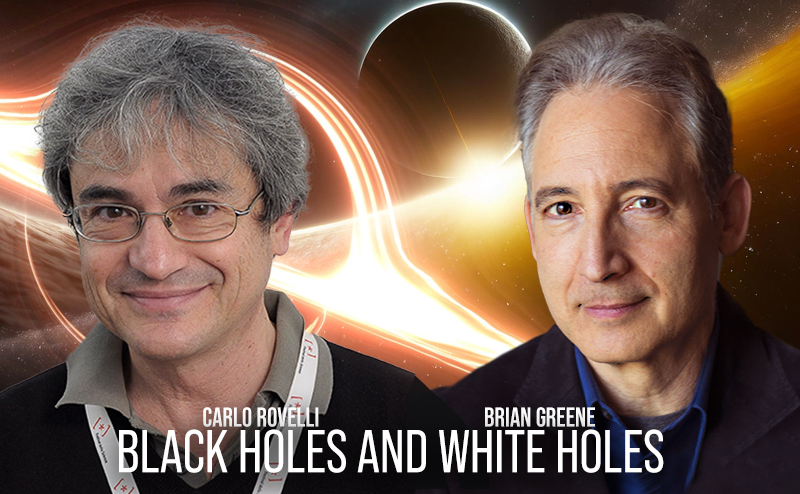
Progress in the last decade has established that black holes are real, but what about their time-reversed cousins, white holes? Renowned physicist and author Carlo Rovelli joins Brian Greene to …
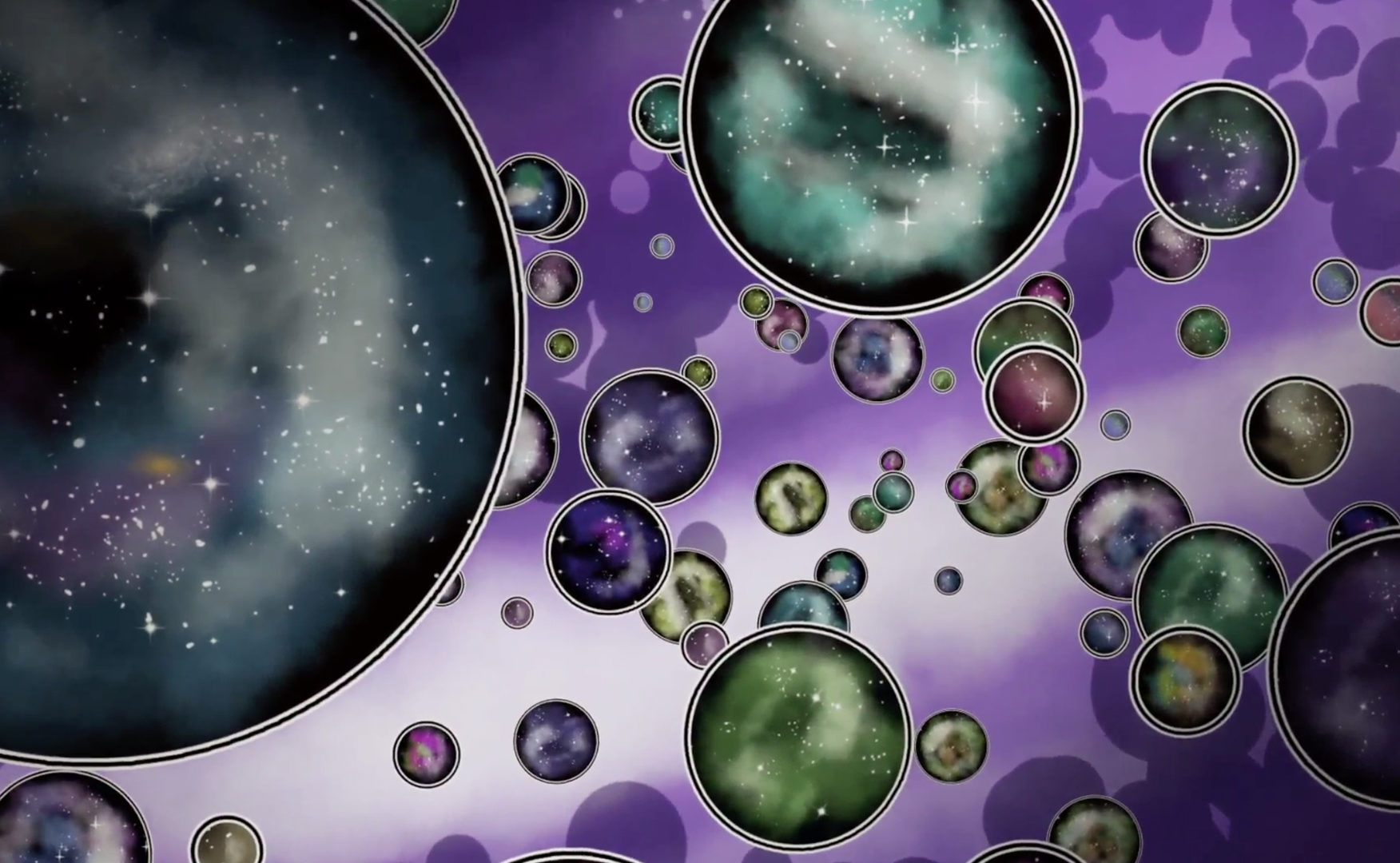
The inflationary theory of cosmology, an enduring theory about our universe and how it was formed, explains that just after the Big Bang, the universe went through a period of rapid expansion. This theory has been critical to understanding what’s going on in the cosmos today.