Search Icon



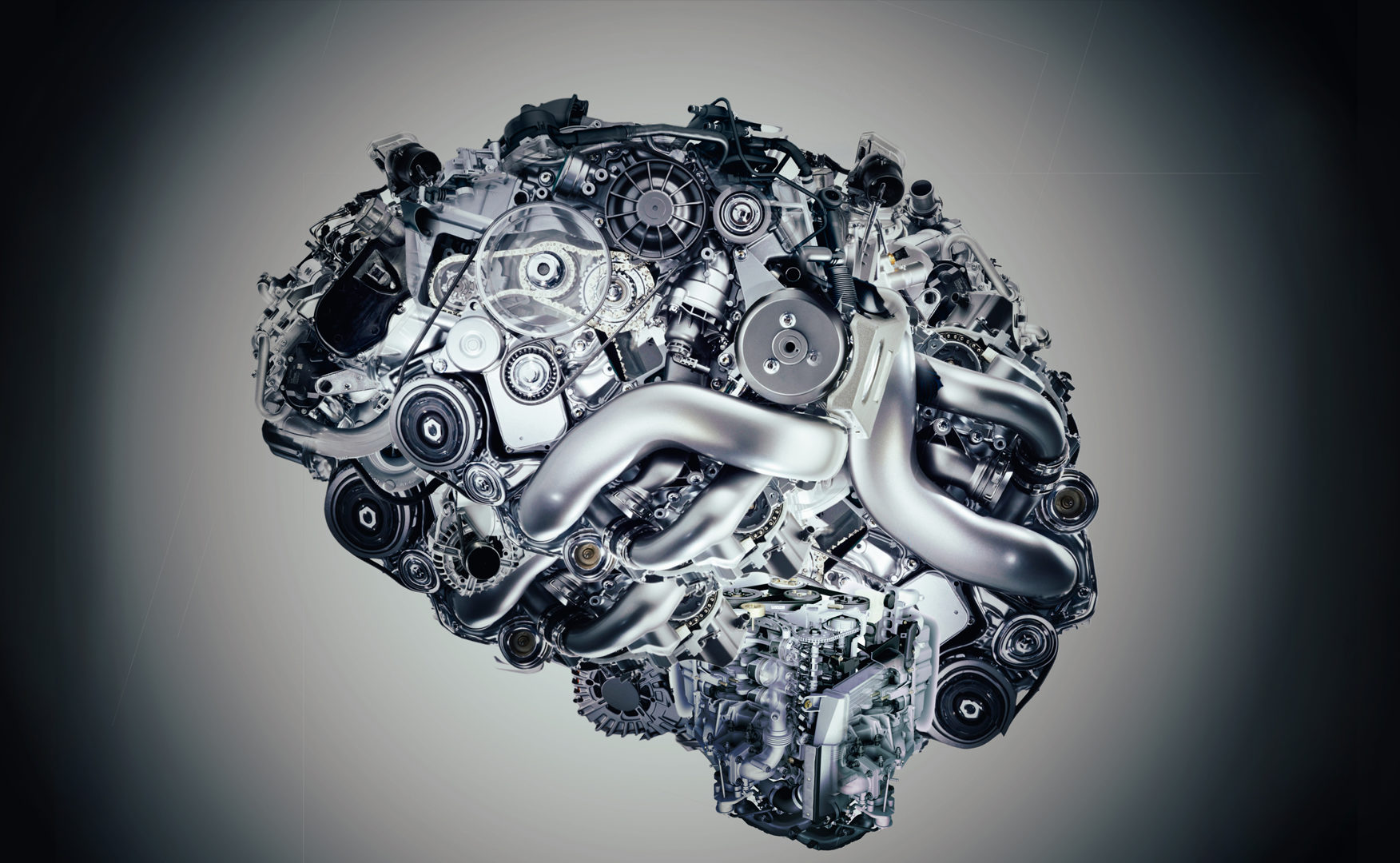
In recent years, machines have grown increasingly capable of listening, communicating, and learning—transforming the way they collaborate with us, and significantly impacting our economy, health, and daily routines. Who, or what, are these thinking machines? As we teach them to become more sophisticated, how will they complement our lives?
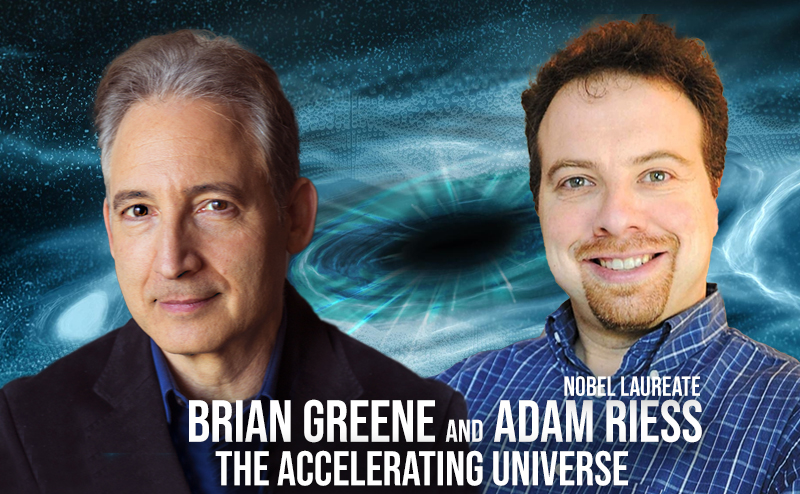
Nobel Laureate and physicist Adam Riess and Brian Greene discuss the paradigm-shattering discovery that the expansion of the universe is accelerating, the role of dark energy, and more. This program …
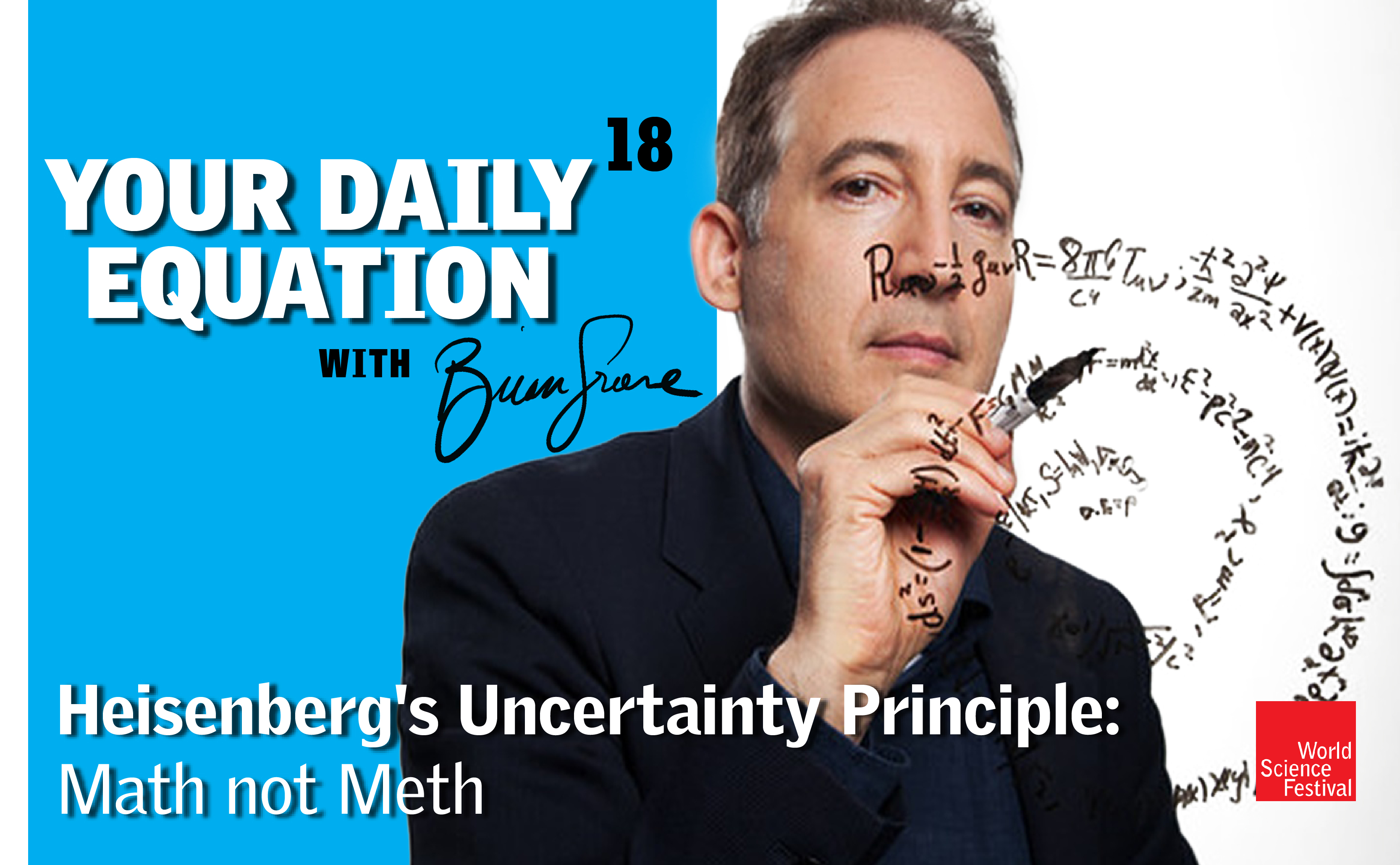
Join us for #YourDailyEquation with Brian Greene. Every Mon – Fri at 3pm EDT, Brian Greene will offer brief and breezy discussions of pivotal equations. Even if your math is a …
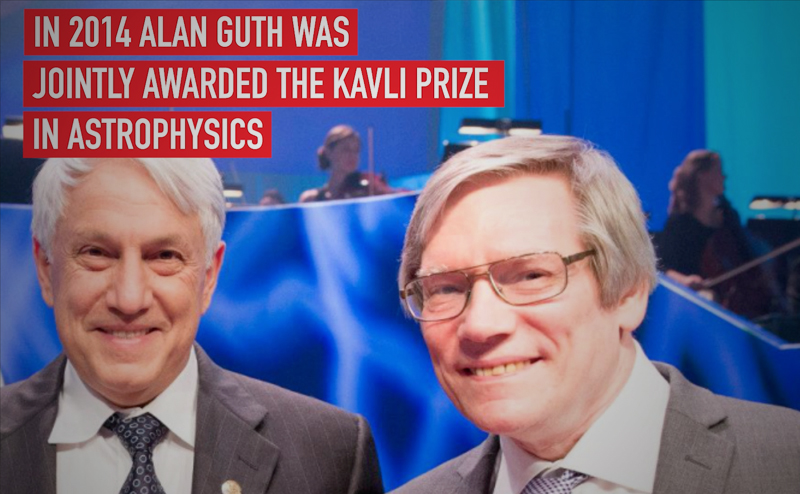
This video is part of our Brilliant Breakthroughs series: our new 20-episode mini-series exploring the “Eureka!” moments and proud accomplishments of the greatest scientific minds of our time. Join us …
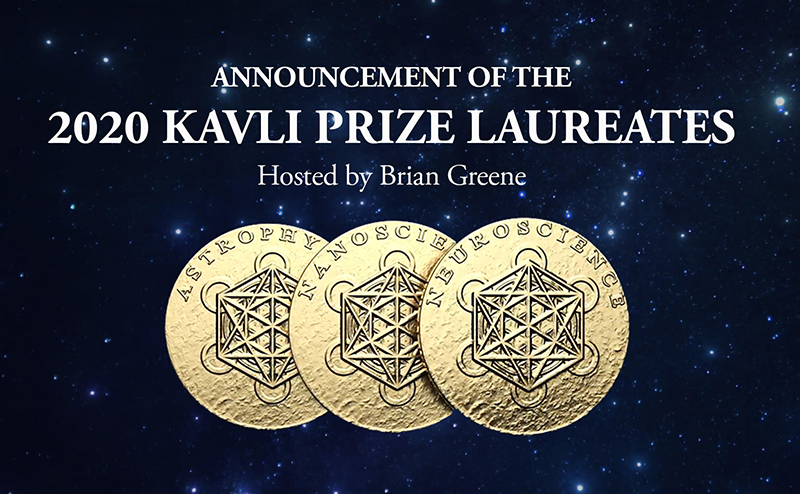
Meet the newly named 2020 Kavli Prize Laureates in astrophysics, nanoscience and neuroscience. Honored for breakthroughs that transform our understanding of the big, the small and the complex, the Laureates …
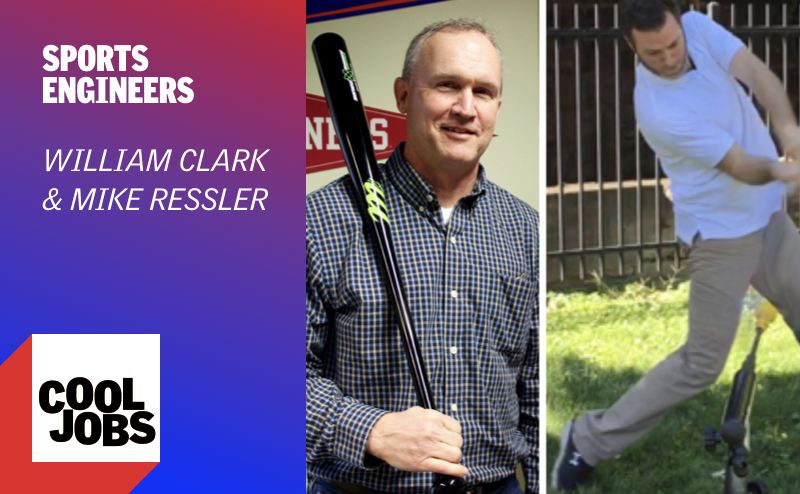
Improving your athletic ability is possible with technology created by engineers William “Buddy” Clark and Mike Ressler. See how their innovations can be easily used to analyze and step up …