Search Icon




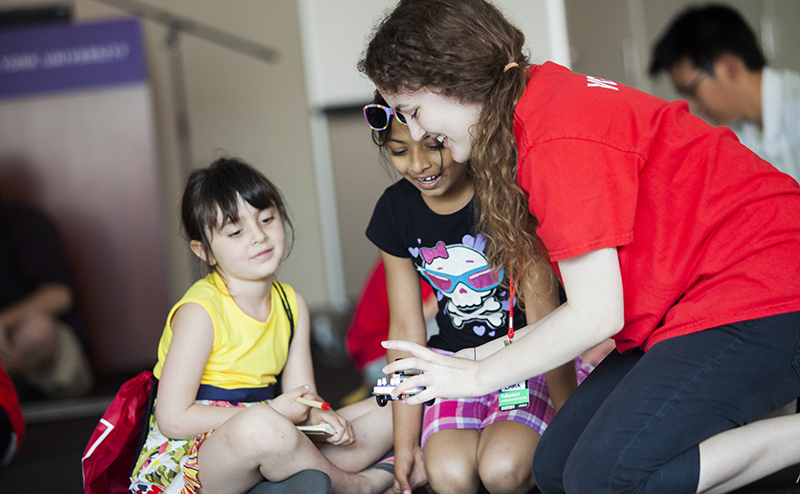
The World Science Festival’s Pioneers in Science program gives high school students from around the globe rare and intimate access to some of the world’s most renowned scientists in a …
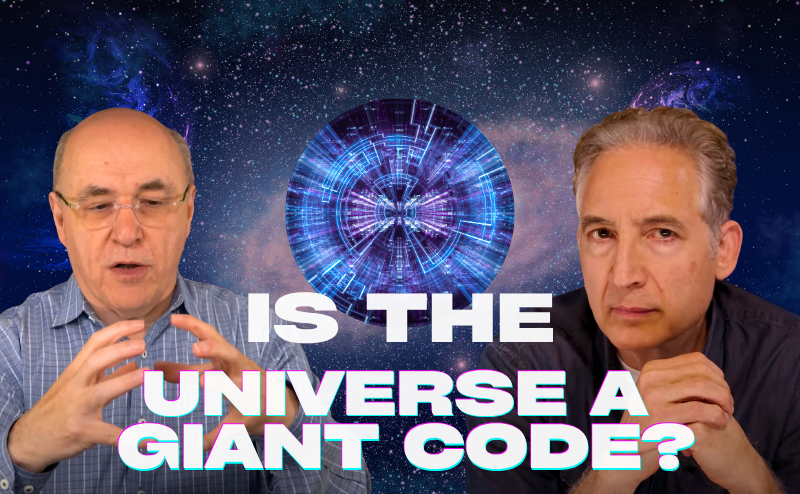
Stephen Wolfram joins Brian Greene to explore the computational basis of space, time, general relativity, quantum mechanics, and reality itself. This program is part of the Big Ideas series, supported …
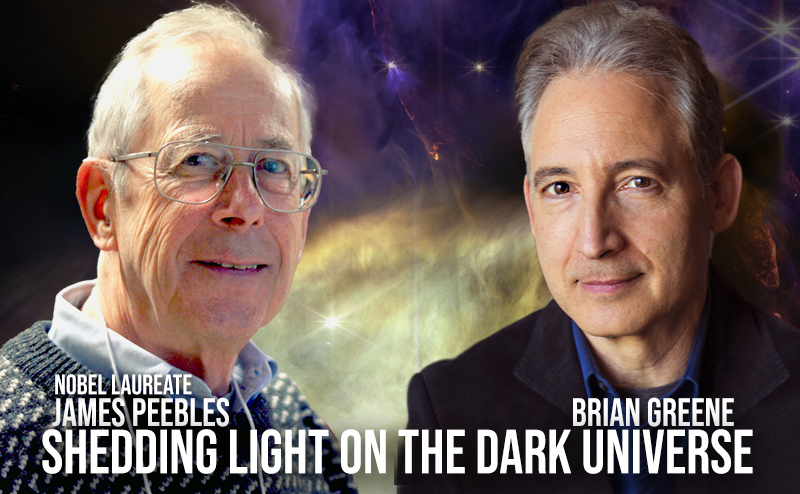
James Peebles, one of the world’s greatest cosmologists, has profoundly influenced our understanding of dark matter, dark energy, and the big bang, contributions that earned him the 2019 Nobel Prize …

It’s the thought of your childhood home. It’s that comforting aroma you can still smell ten years later. It’s the way you define yourself. It’s your memory. Where is memory stored? How do we recall? Why do we forget?
The neutrino is among the cagiest of particles, a subatomic wisp so ephemeral it could pass through light years of lead with more ease than a hot knife through butter.
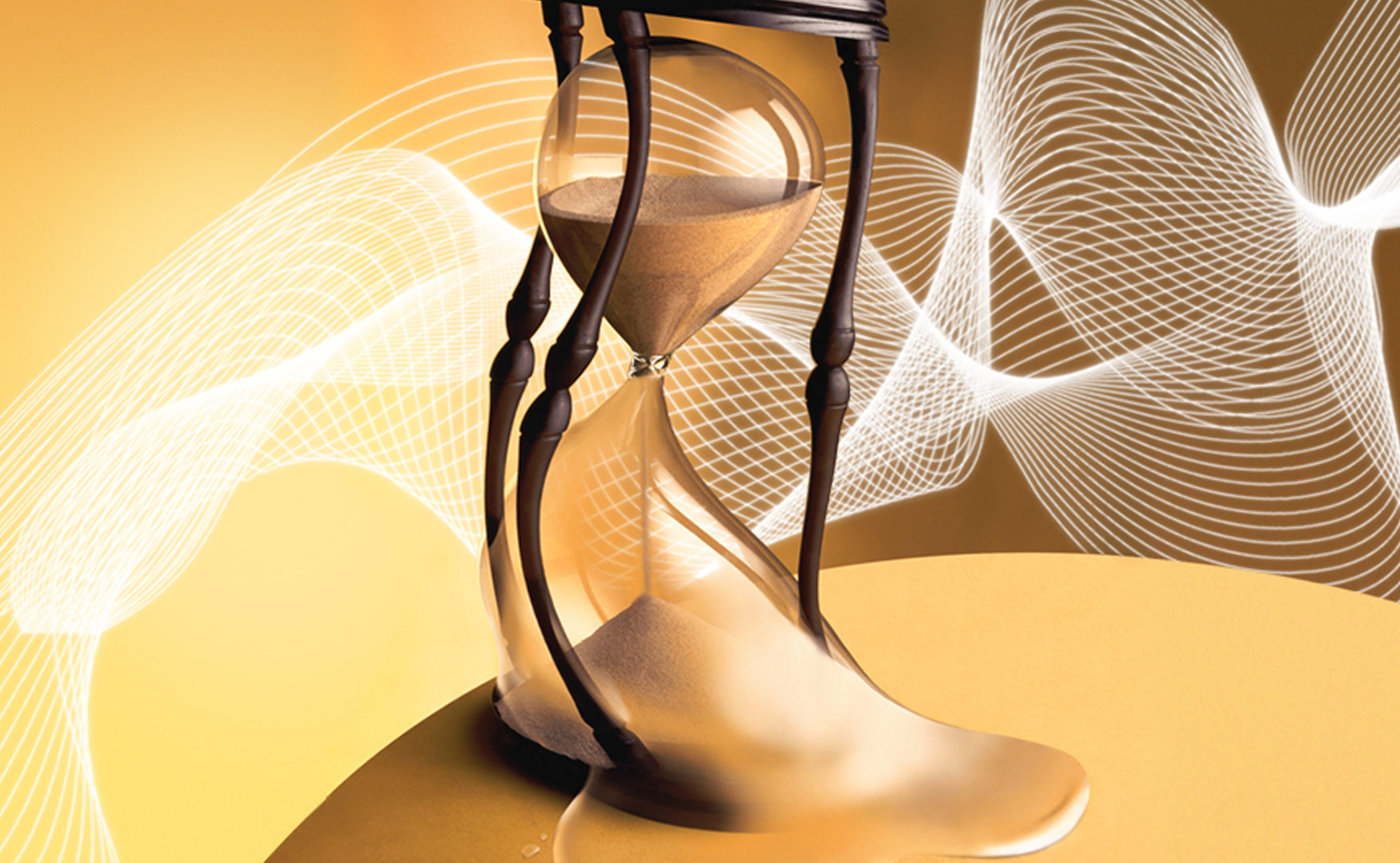
The nature of time is an age-old conundrum for physicists, philosophers, biologists and theologians. The Newtonian picture of time—a kind of cosmic clock that ticks off time in a manner that applies identically to everyone and everything—tightly aligns with our experience. But with special and general relativity, Einstein showed the fallacy inherent in experience.