Search Icon




#YourDailyEquation with Brian Greene offers brief and breezy discussions of the most pivotal equations of the ages. Even if your math is a bit rusty, these accessible and exciting stories …
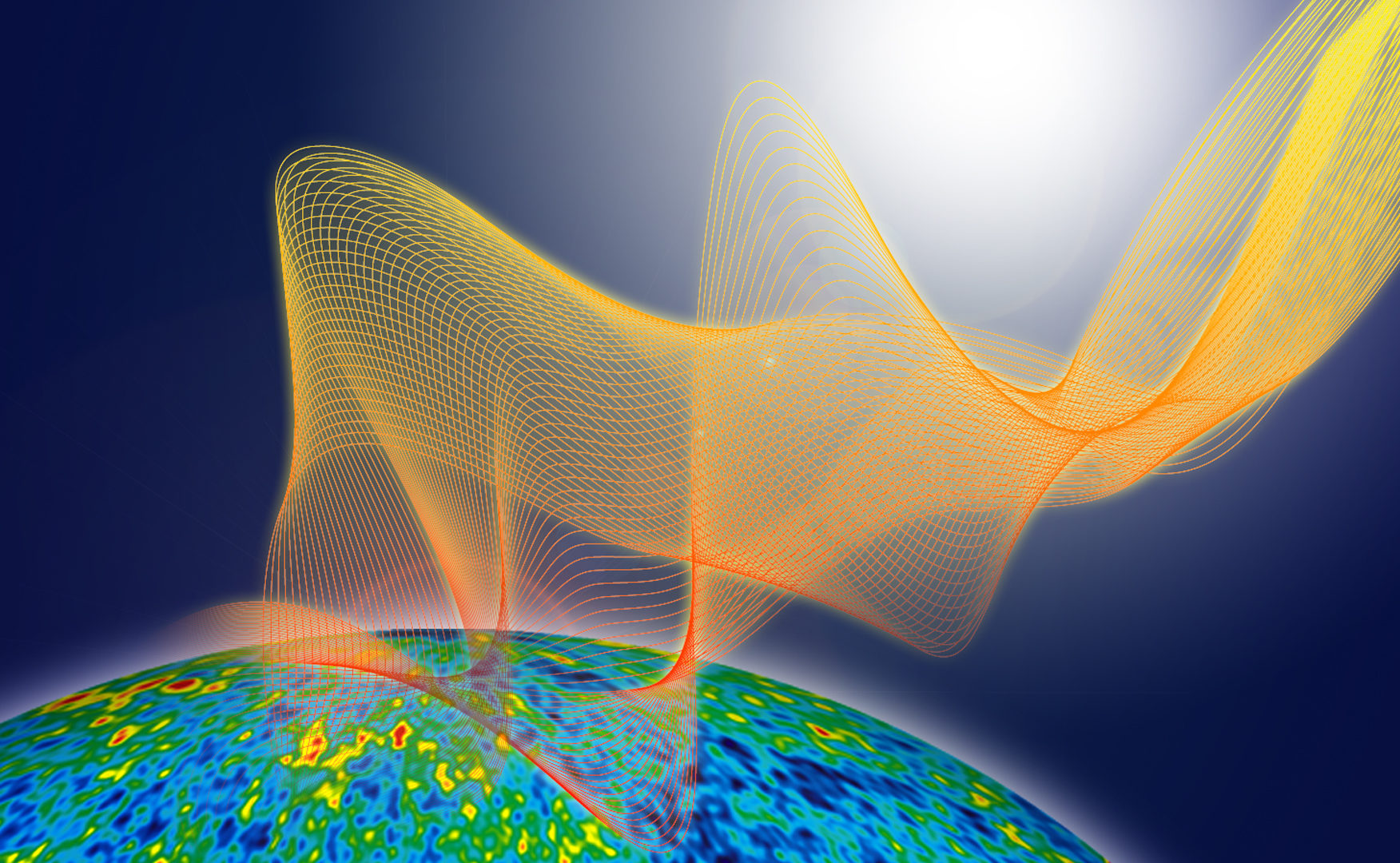
Cosmology is the one field in which researchers can—literally—witness the past. The cosmic background radiation, ancient light streaming toward us since the Big Bang, provides a pristine window onto the birth and evolution of the universe.
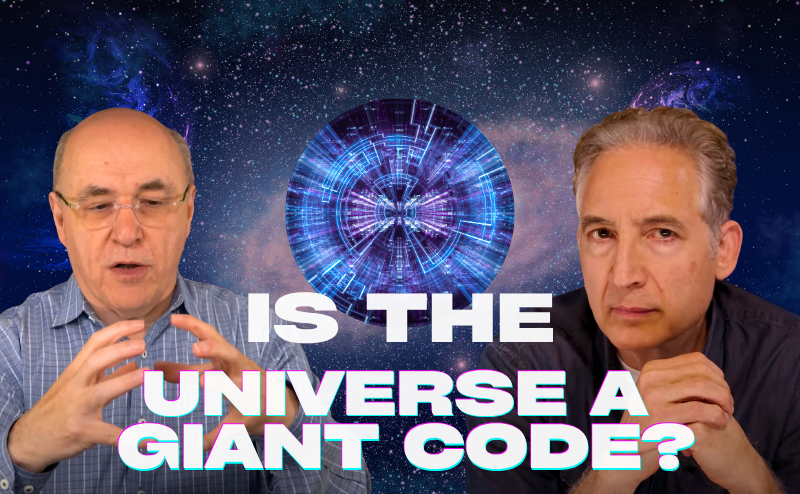
Stephen Wolfram joins Brian Greene to explore the computational basis of space, time, general relativity, quantum mechanics, and reality itself. This program is part of the Big Ideas series, supported …
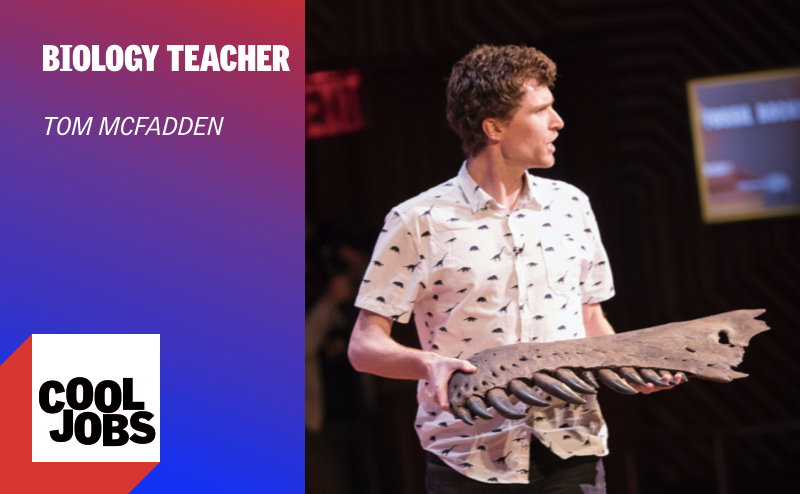
Students in the biology class of @ScienceWithTom write and perform rapping, rhyming biology songs that leave them inspired to learn more. Science teachers prepare tomorrow’s pioneering scientists. Episode filmed live …
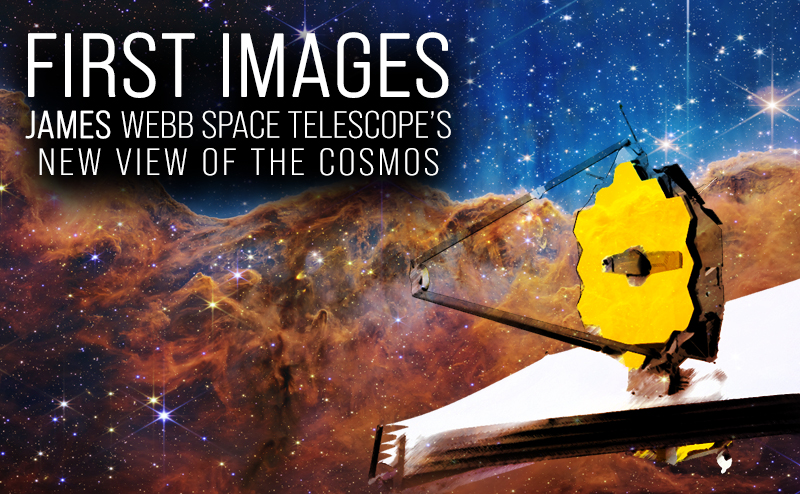
Scientists have waited a generation to see the stunning images that the James Webb Telescope is now delivering. In a live online Q+A, Brian Greene speaks with Nobel Prize-winner John …
In his research, U.K. Astronomer Royal Martin Rees has tackled topics as varied as the Big Bang, quasars, and more far-out ideas like the search for dark matter and the …