Search Icon





A second doesn’t always feel like a second—time can seem to slow down if you’re riding a death-defying roller coaster, or speed up while you’re having a night out on the town. But just what’s going on inside our heads to skew our perception of time?
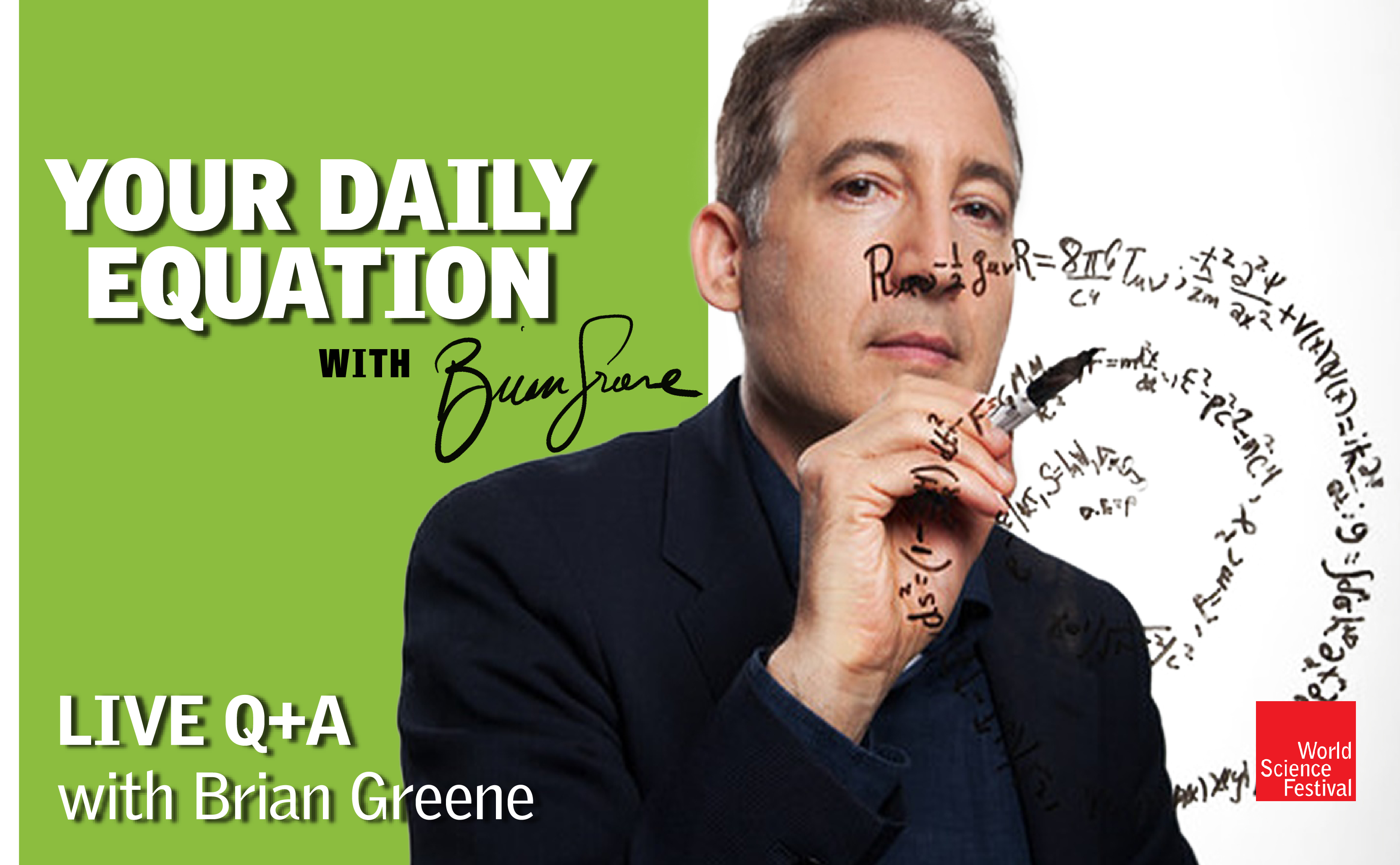
Join us for #YourDailyEquation with Brian Greene. Every Mon – Fri at 3pm EDT, Brian Greene will offer brief and breezy discussions of pivotal equations. Even if your math is a …
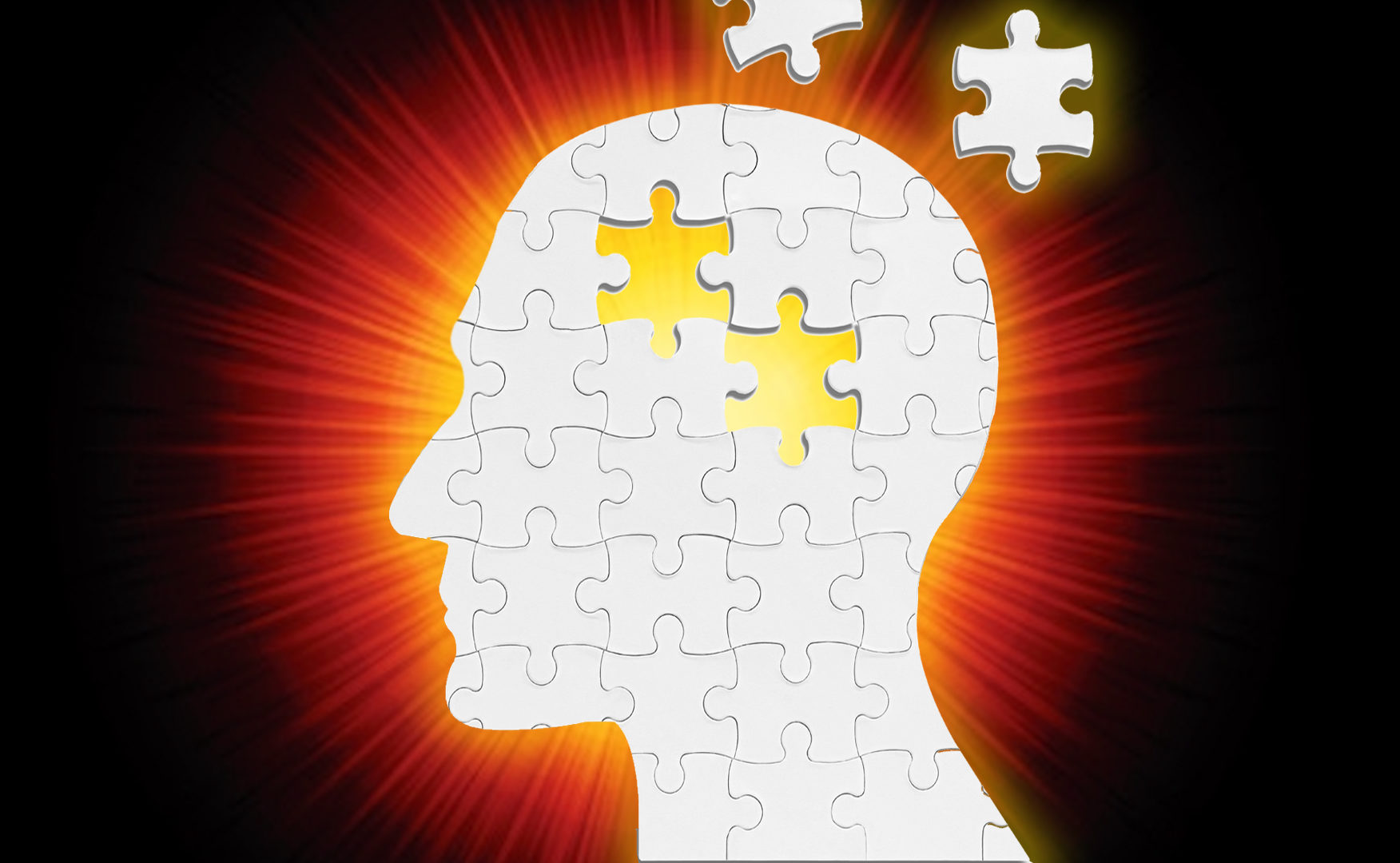
Immanuel Kant, who coined the term genius in the 1700s, defined it as the rare capacity to independently understand concepts that would normally have to be taught by another person. Since then, the spectrum of abilities that we call genius has widened, but pivotal questions remain: What exactly is genius?
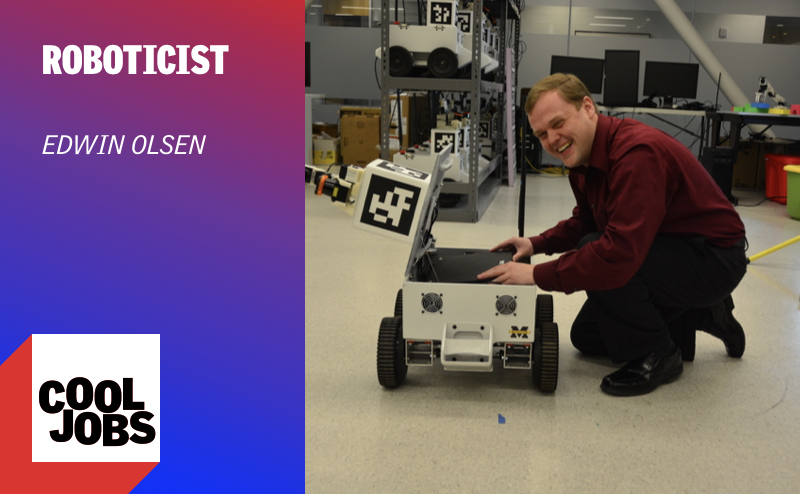
Search and rescue robots are able to go into places humans can’t and shouldn’t…this is the cool job of roboticist Edwin Olson who now makes autonomous shuttles. Episode filmed live …
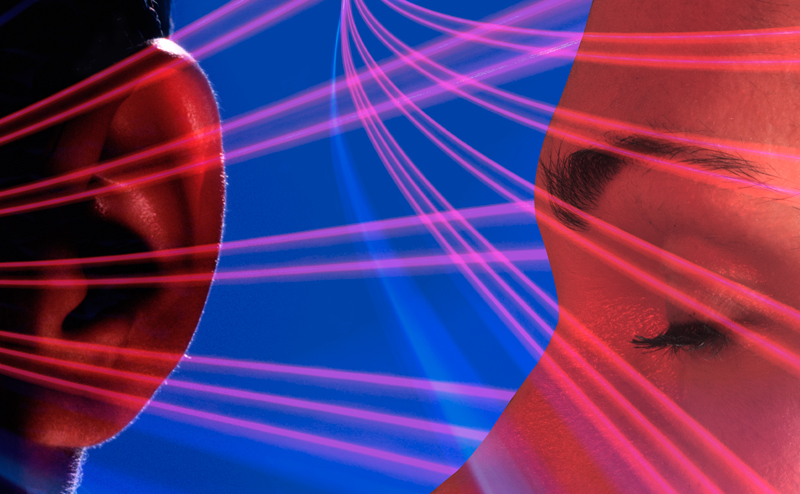
Actor Marlee Matlin joins groundbreaking researchers in deafness and for a wide-ranging discussion of cutting-edge research and how it will affect lives. Recent breakthroughs in vision and hearing mean many …
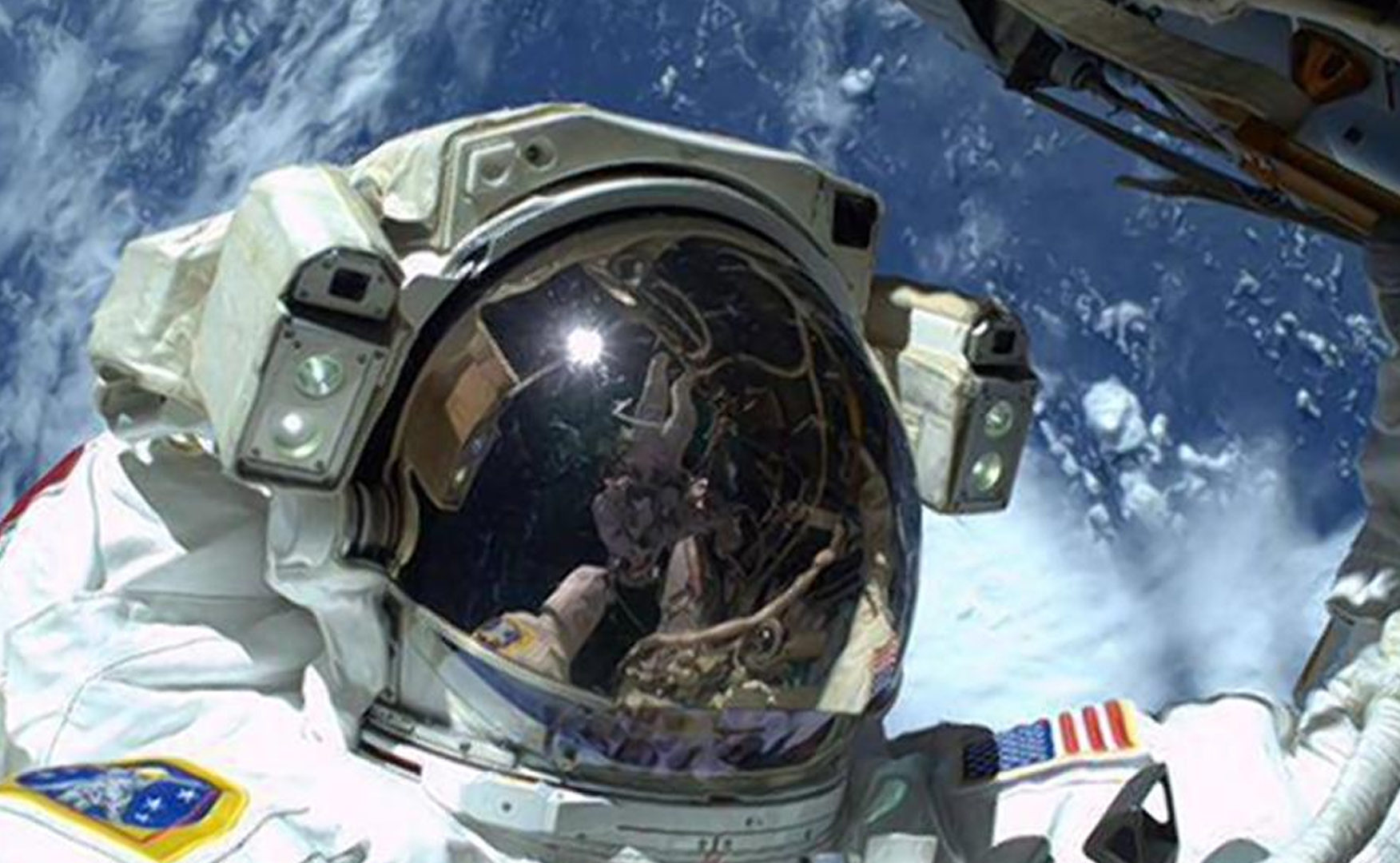
Astronauts who’ve lived on the International Space Station and “walked” in space tell all: what it’s like to ride on a space ship, and to eat, sleep, exercise, and even do science—in space.