Search Icon




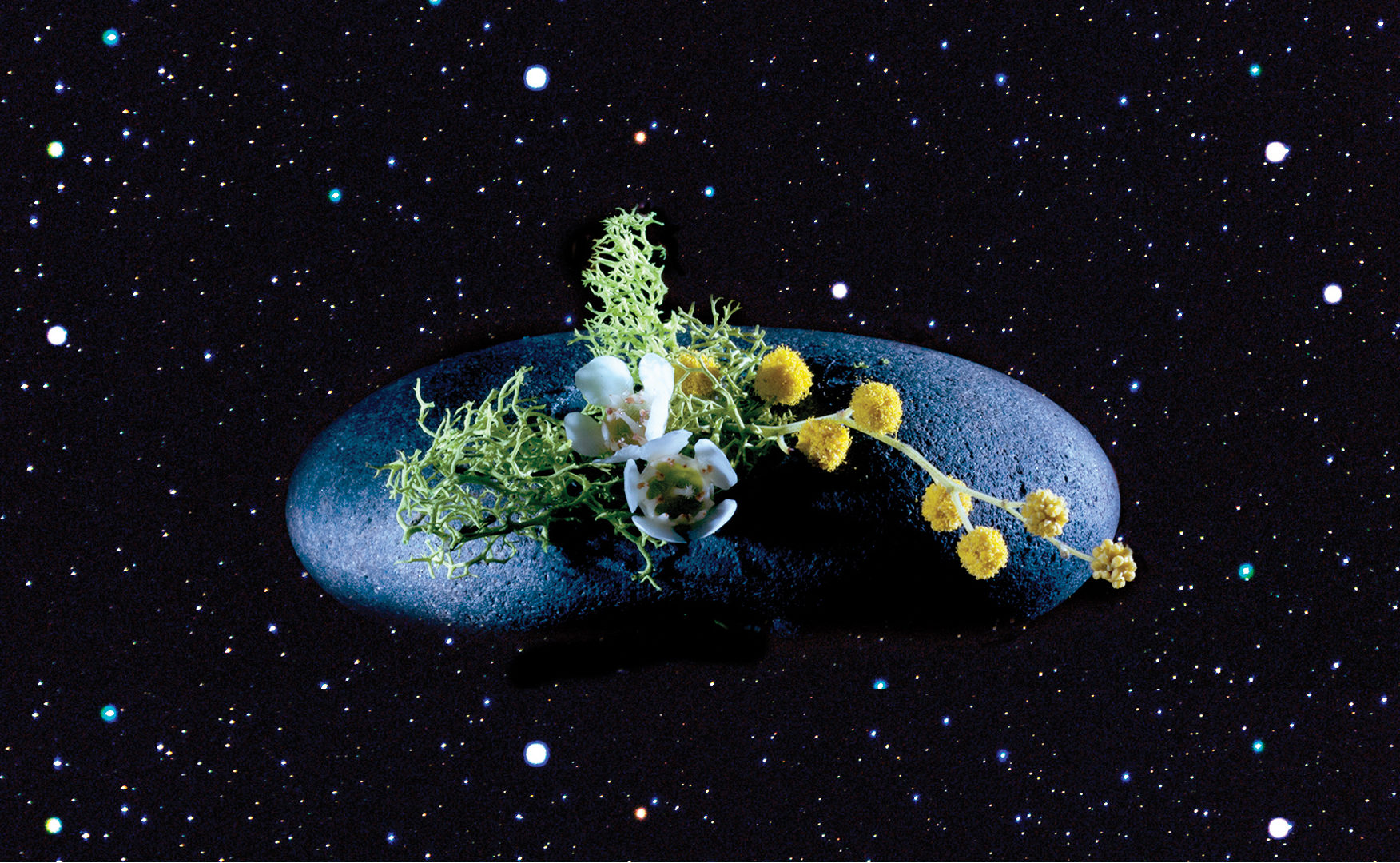
What are scientists looking for when searching for alien life? A lot, it turns out: the search for extraterrestrials requires the help from astronomers, planetary scientists, chemists, computer scientists, and geneticists, just to name a few. But are we barking up the wrong carbon-based tree?

The prestigious biennial Kavli Prizes recognize scientists for major advances in three research areas: astrophysics, nanoscience and neuroscience—the big, the small and the complex. The 2014 winners, sharing a $1 million award in each field, will be announced live via satellite from the Norwegian Academy of Science and Letters in Oslo.

How does your brain know where you are, even in the dark? Brian Greene speaks with Edvard Moser, Nobel laureate and director of the Kavli Institute for Systems Neuroscience, about …

Building a telescope more than a kilometer under the ice in Antarctica was a gamble. But Francis Halzen had the audacity to try. Decades later, his visionary work has opened …
The first electron microscopes enabled scientists to finally view the nanoworld. But because of limitations in the microscope’s lenses, achieving sharp images of individual atoms was not possible. For 60 …
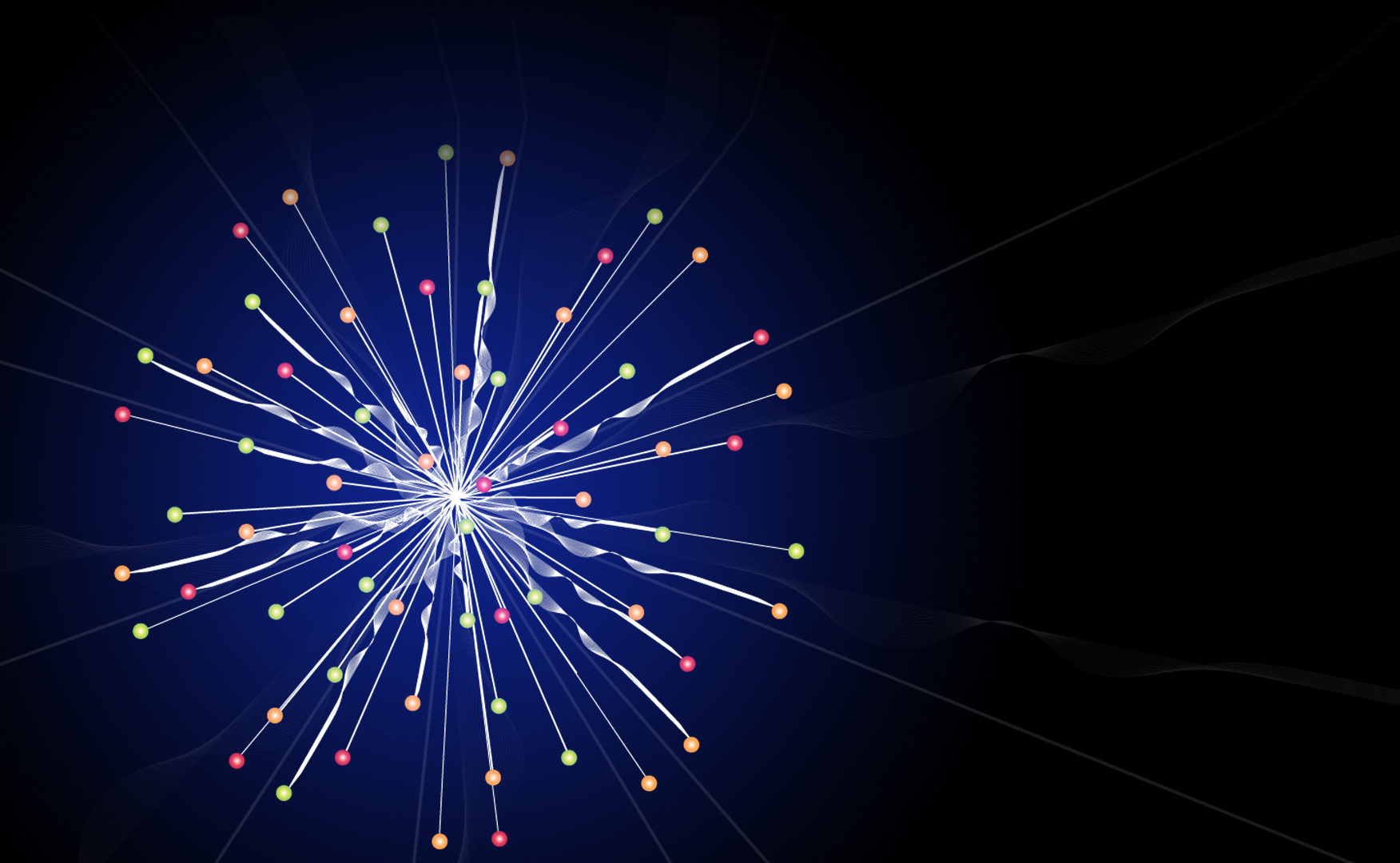
The neutrino is among the cagiest of particles, a subatomic wisp so ephemeral it could pass through light years of lead with more ease than a hot knife through butter.