Search Icon



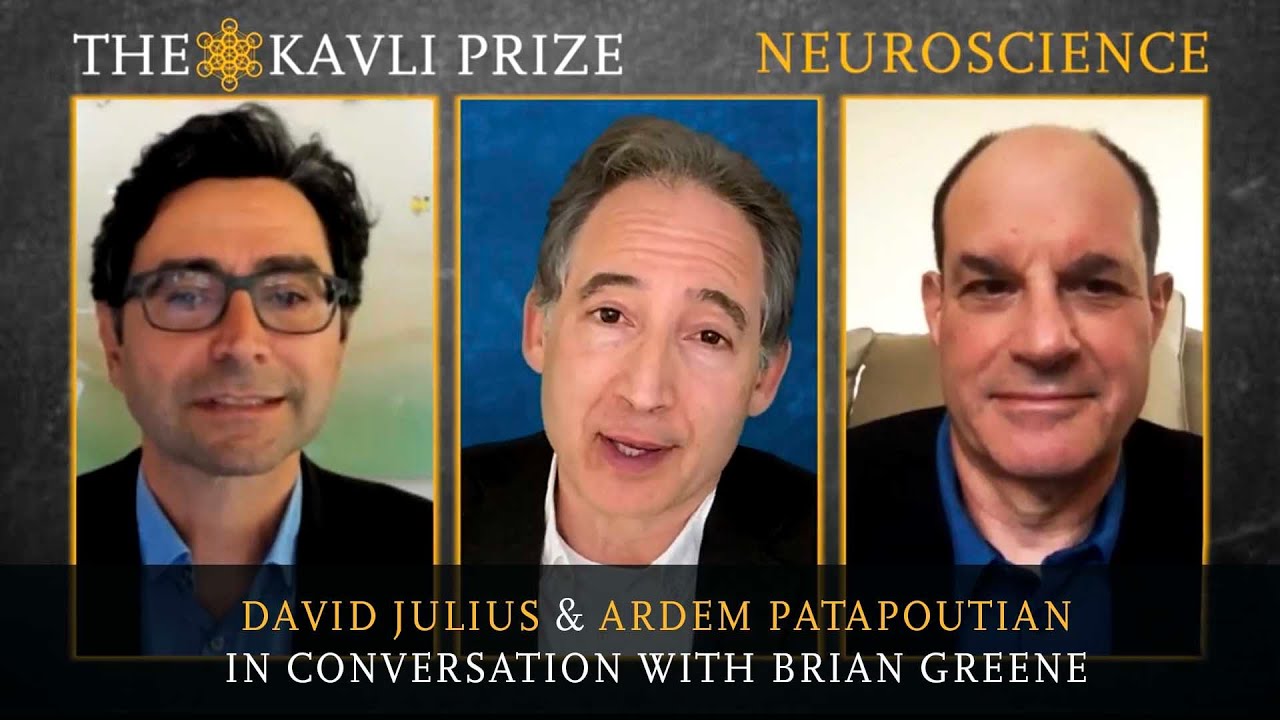
The 2020 Kavli Prize In Neuroscience is awarded to David Julius and Ardem Patapoutian for their transformative discovery of receptors for temperature and pressure. 2020 marks the twelfth anniversary of …
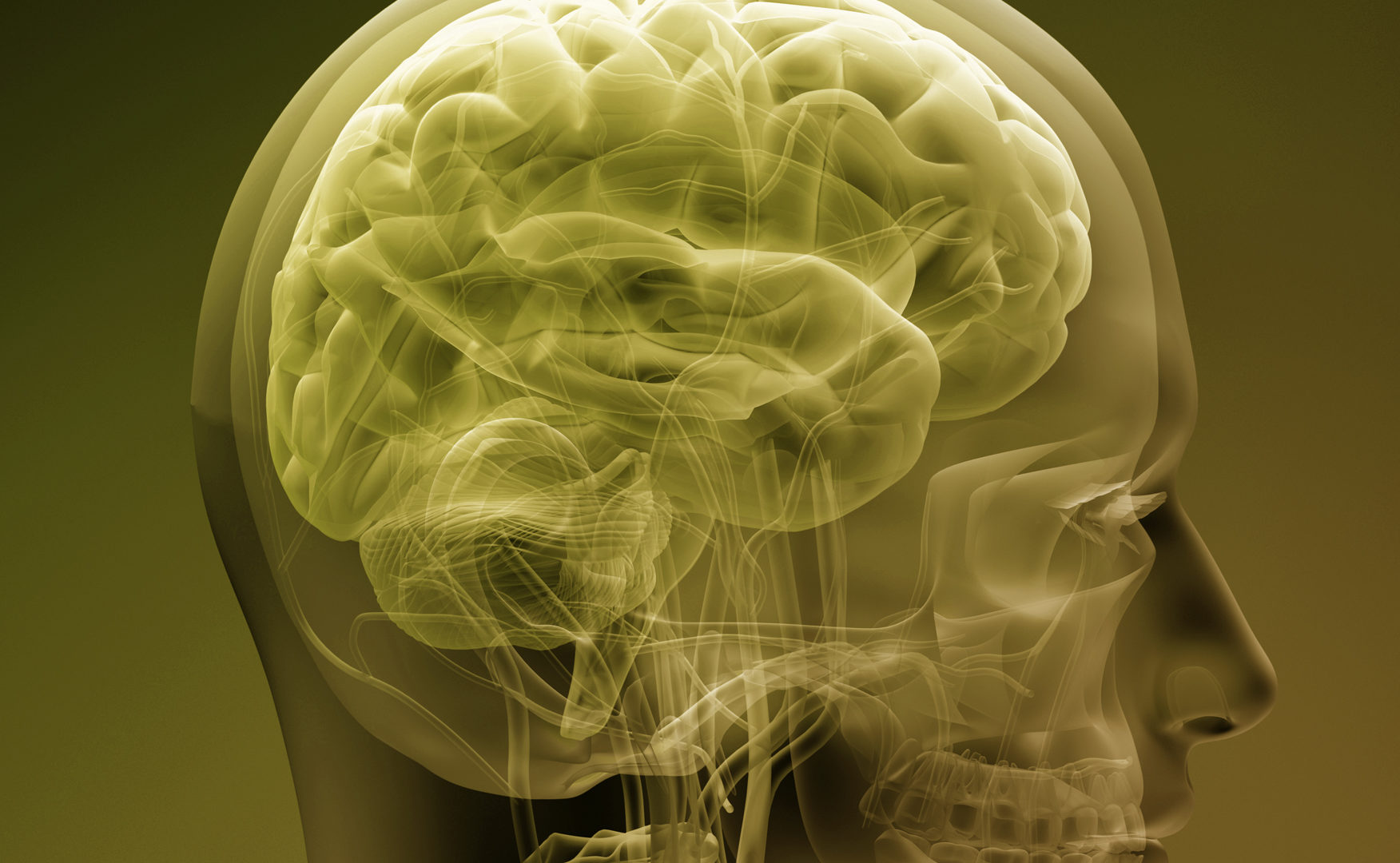
So you thought nobody could know what you’re thinking? Well, you’re right. For now. But fMRI brain research, identifying patterns linked to thoughts, is moving forward at a pace that’s surprising even experts.
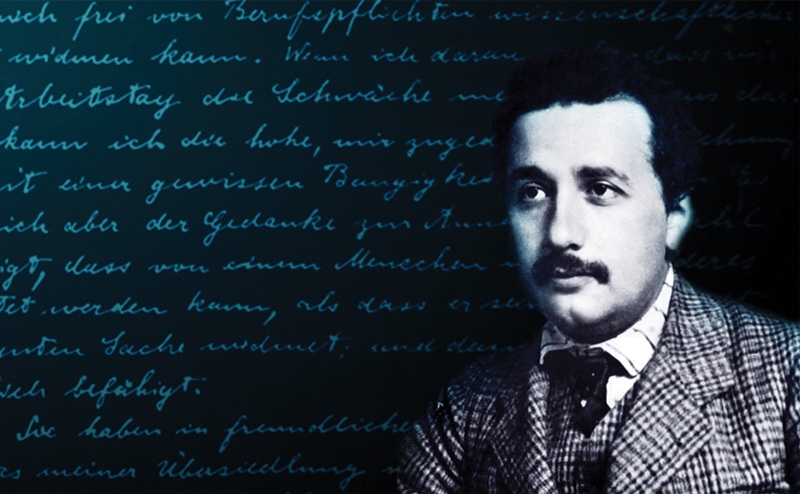
World Science Festival co-founder Brian Greene and seven-time Emmy Award–winner Alan Alda muse on Einstein’s Theory of Relativity in a post-performance discussion after a reading of Alda’s play “Dear Albert.”
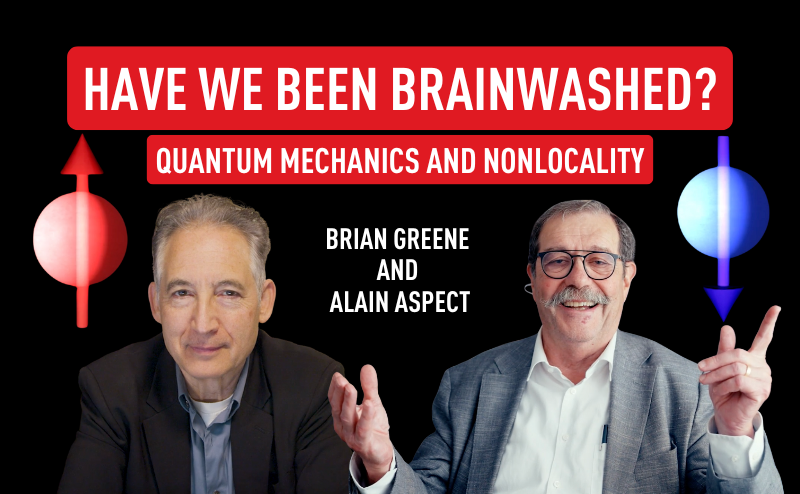
Step into the mind of Nobel laureate Alain Aspect, one of the pioneers who turned quantum weirdness into experimental reality. In this conversation with Brian Greene, Aspect retraces the century-long …
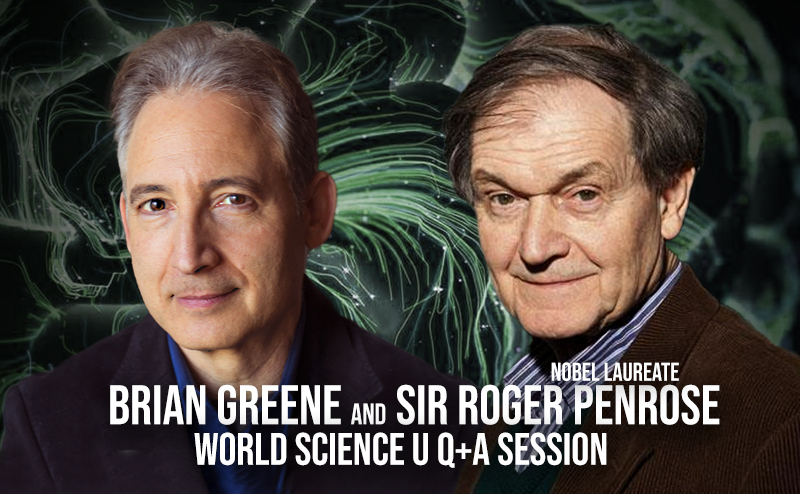
Winner of the 2020 Nobel Prize in Physics, Sir Roger Penrose joins Brian Greene to share insights into black holes, general relativity, quantum mechanics, the mathematical road toward reality, the …
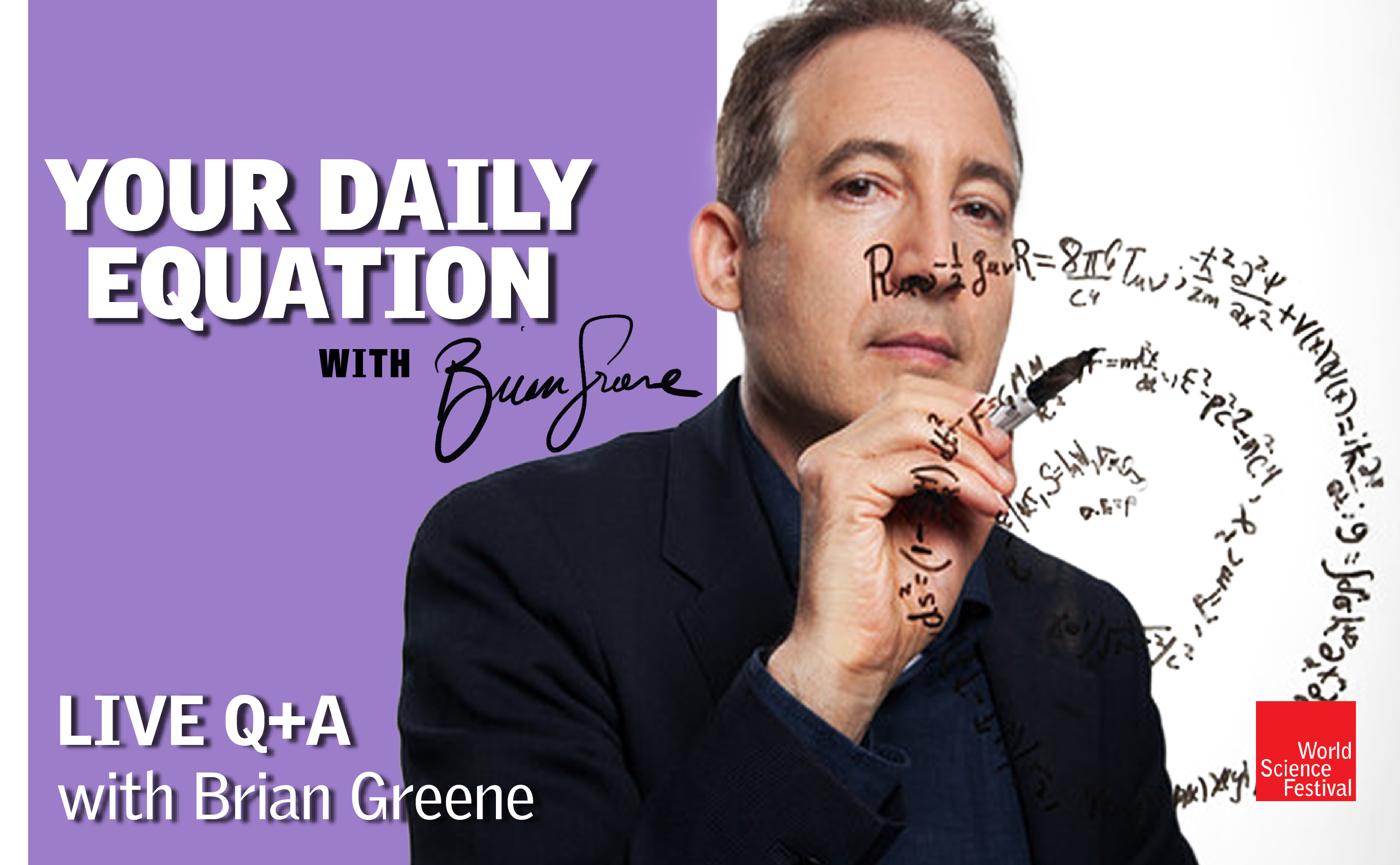
Join us for #YourDailyEquation with Brian Greene. Every Mon – Fri at 3pm EDT, Brian Greene will offer brief and breezy discussions of pivotal equations. Even if your math is a …