Search Icon



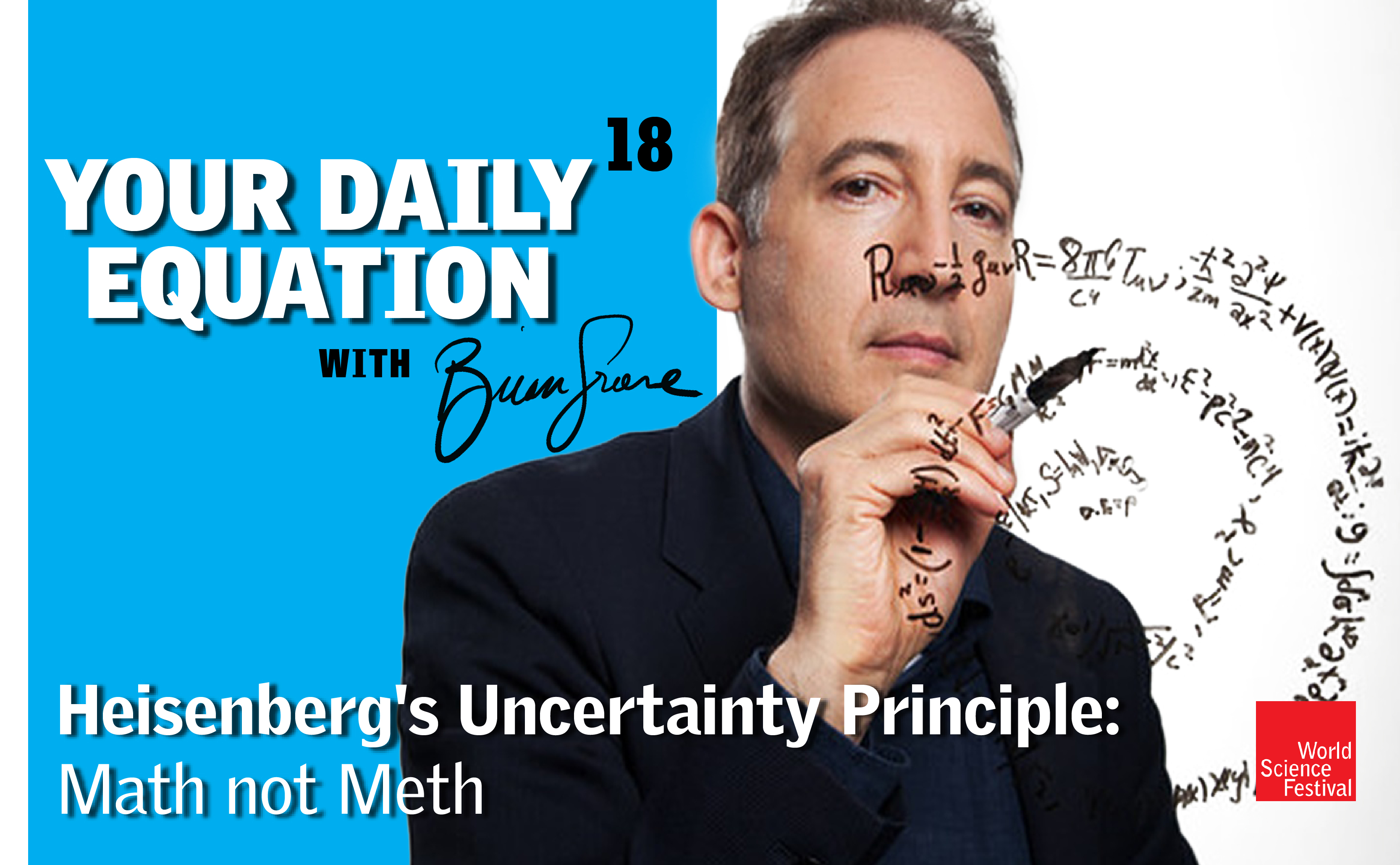
Join us for #YourDailyEquation with Brian Greene. Every Mon – Fri at 3pm EDT, Brian Greene will offer brief and breezy discussions of pivotal equations. Even if your math is a …
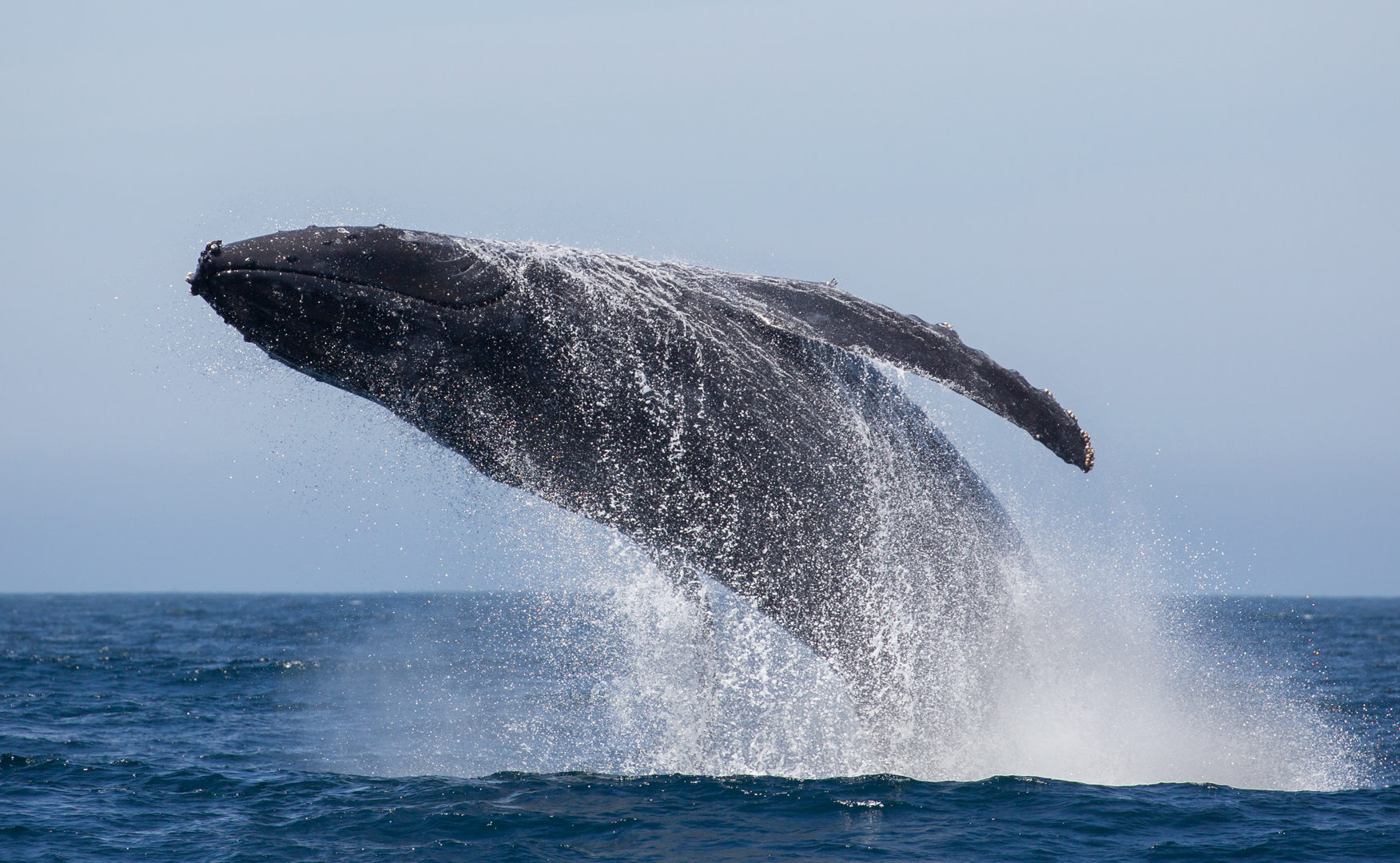
Researchers are racing to uncover the implications for the Arctic of rapidly vanishing polar ice – and they’re enlisting help from the very creatures that stand to gain the most from their discoveries: the Narwhal, Bowhead and Beluga whales, three of the most elusive species on Earth.
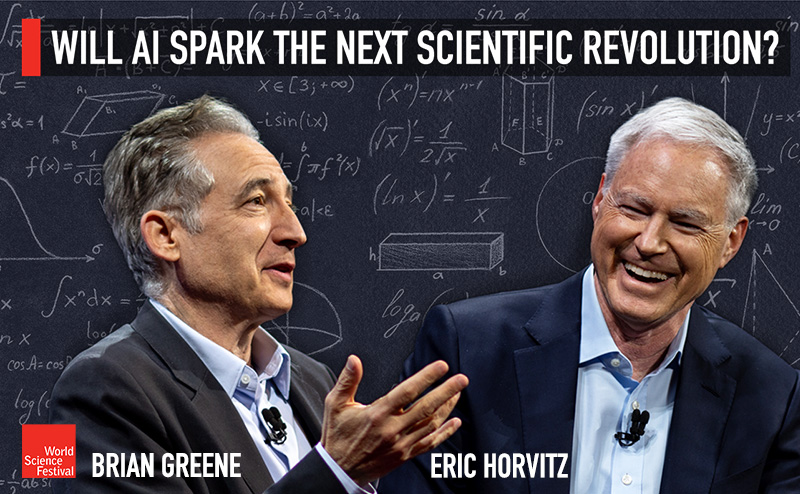
Brian Greene and Microsoft’s Chief Scientific Officer Eric Horvitz explore how AI may shape the future of fundamental scientific research. This program is part of the Big Ideas series, supported …
What are the special challenges, pitfalls, opportunities and rare triumphs of seeking and synthesizing the essence of someone whose passion—quantum physics, number theory, nucleic acids, atomic species, computational design, gravitational phenomena—is so thoroughly foreign to the concerns of everyday life?

What we touch. What we smell. What we feel. They’re all part of our reality. But what if life as we know it reflects only one side of the full story? Some of the world’s leading physicists think that this may be the case.

What is time? Isaac Newton described it as absolute, but Einstein proved that time is relative, and, shockingly, that time and space are intricately interwoven. Now recent work in string theory and quantum gravity suggests that space and time may not be fundamental. If this is true, what new picture of reality will emerge?