Search Icon




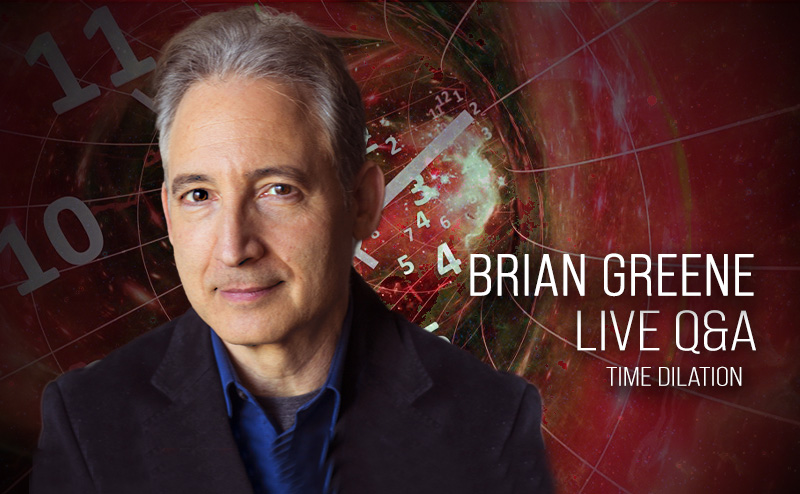
In his first World Science U Q+A session, Brian Greene takes questions on a variety of subjects including relativity, quantum, the cosmos and his WSU course, Space, Time and Einstein. …

A self-driving car has a split second to decide whether to turn into oncoming traffic or hit a child who has lost control of her bicycle. An autonomous drone needs to decide whether to risk the lives of busload of civilians or lose a long-sought terrorist. How does a machine make an ethical decision?

Should we limit the use and knowledge of genetics in the case of conception? What about using genetic engineering to make humans healthier—or even enhancing humanity by manipulating DNA?

Nowadays, the tools for tracing your family tree have advanced far beyond looking back at names in the family Bible or compiling a scrapbook of paper records. Using your genetic information to find long-lost relatives is easier and cheaper than ever before—and scientists are looking to push the technology even further by analyzing our skin and facial features.
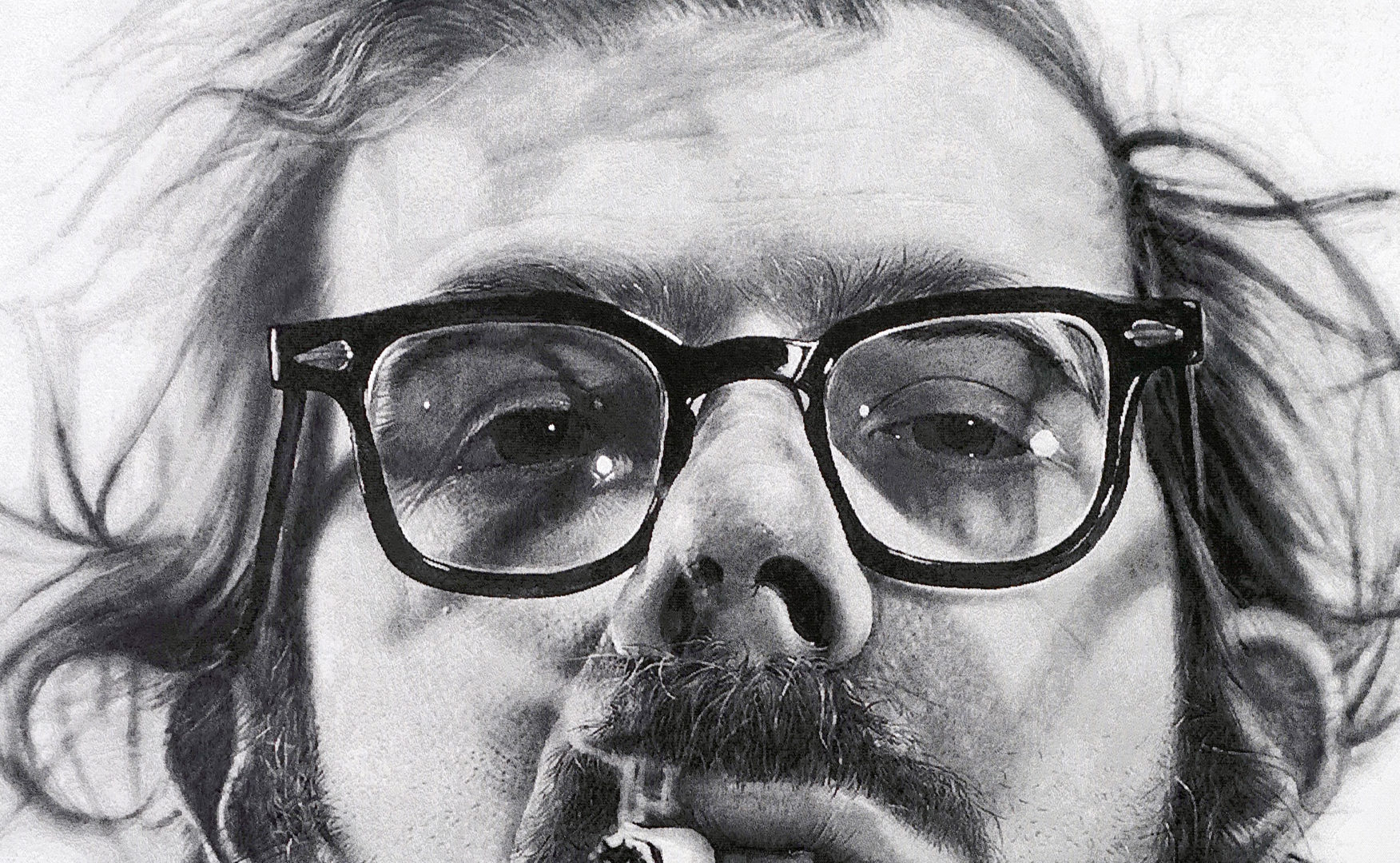
What makes Mona Lisa’s smile so intriguing? What makes Picasso’s portraits so compelling? Kurt Andersen hosts artists Chuck Close and Devorah Sperber, with neuroscientists Margaret Livingstone, Chris Tyler and Ken Nakayama, as they examine the power of brain imaging technology to illuminate how we perceive the most intimate yet public of features, the human face.
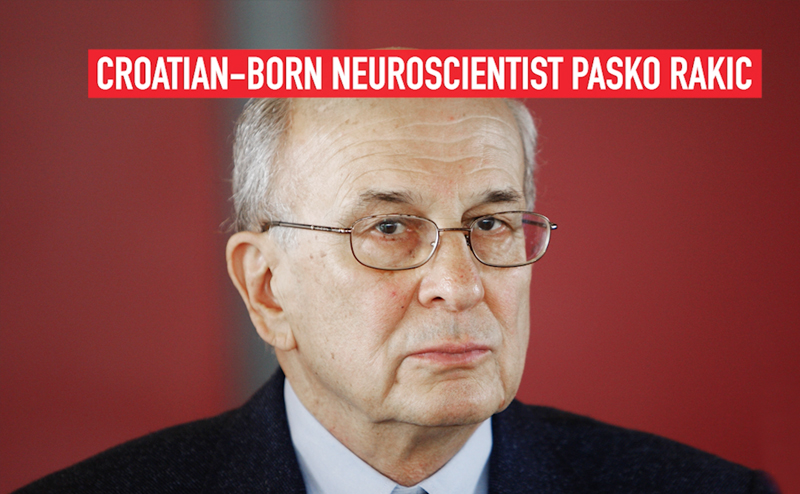
What’s the most complex structure in the known universe? Hint: You’re using it right now to answer to this question. While you keep brainstorming, let’s discuss your cerebral cortex. This …