Search Icon




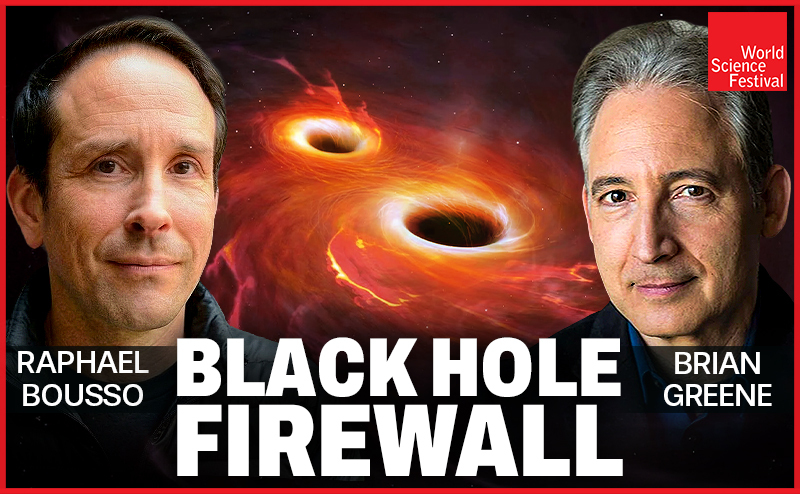
Brian Greene sits down with theoretical physicist Rafael Bousso to explore some of the deepest puzzles in modern physics. Their conversation centers on the black hole information paradox, one of …
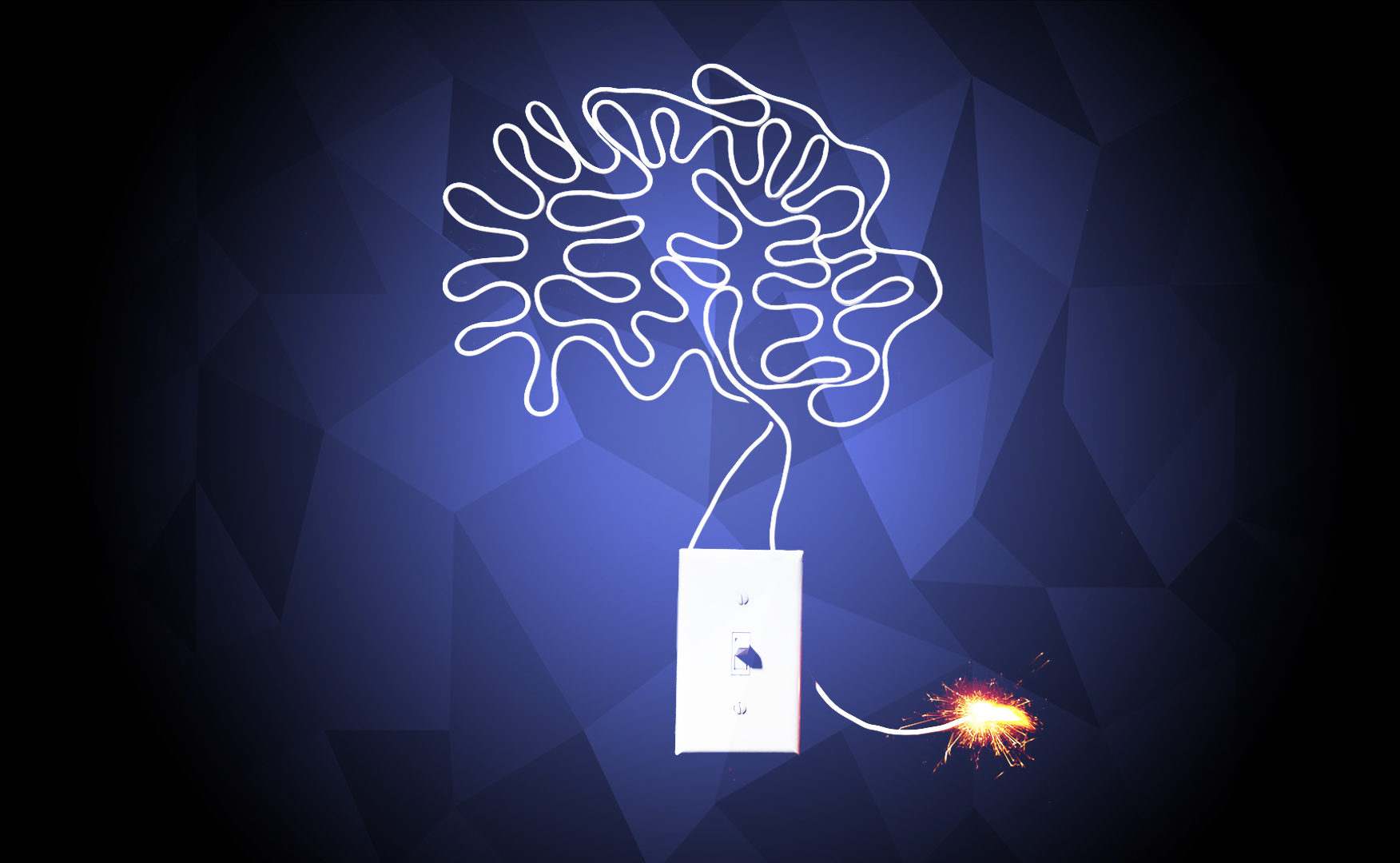
At present, our brains are mostly dependent on all the stuff below the neck to turn thought into action. But advances in neuroscience are making it easier than ever to hook machines up to minds.
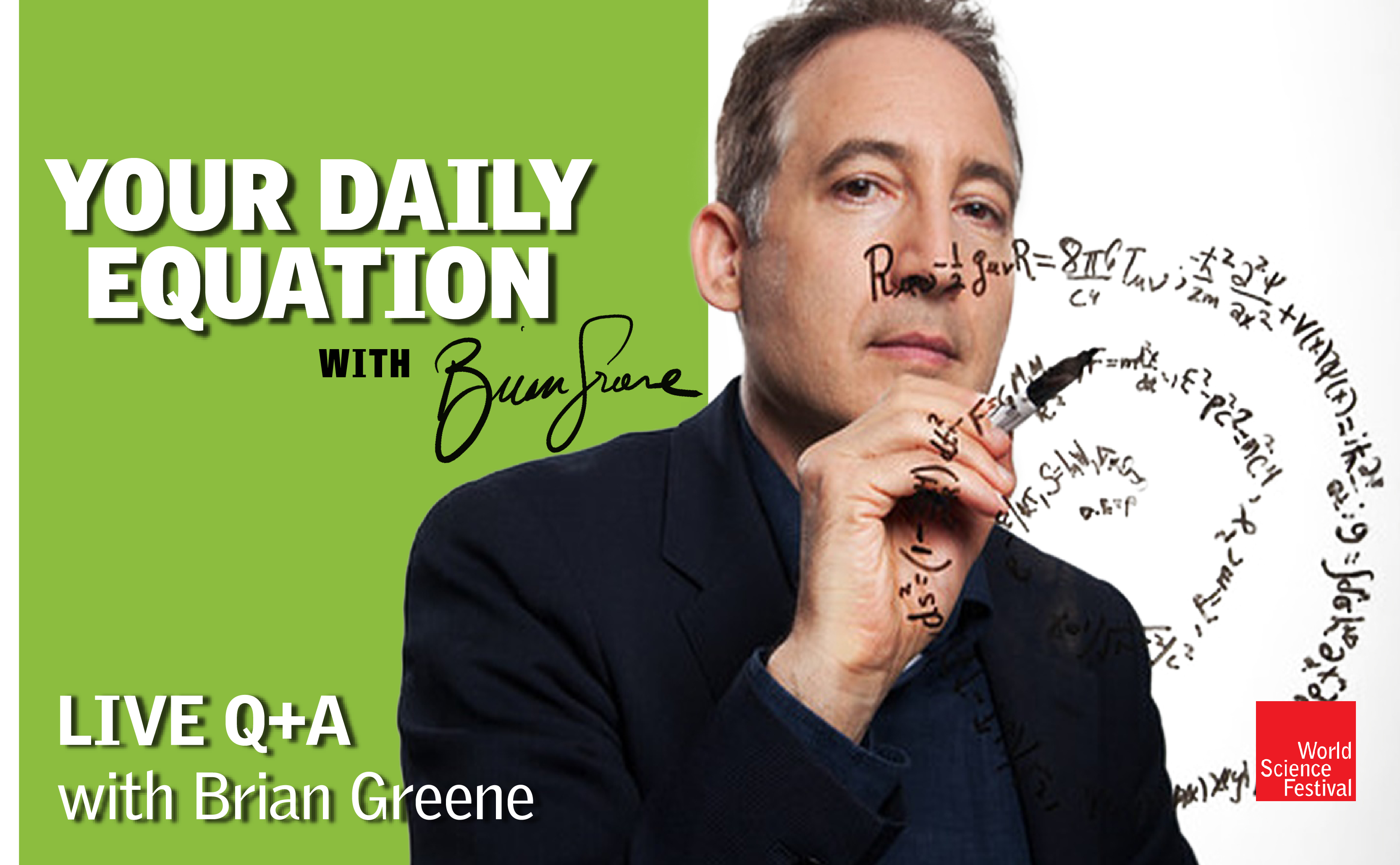
Join us for #YourDailyEquation with Brian Greene. Every Mon – Fri at 3pm EDT, Brian Greene will offer brief and breezy discussions of pivotal equations. Even if your math is a …
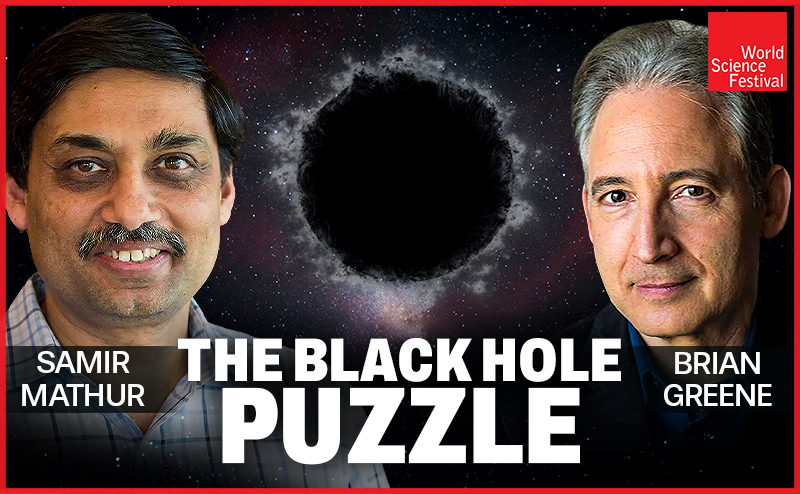
Brian Greene and physicist Samir Mathur explore one of the deepest puzzles in modern physics, the true nature of black holes and the fate of information in the universe. Their …
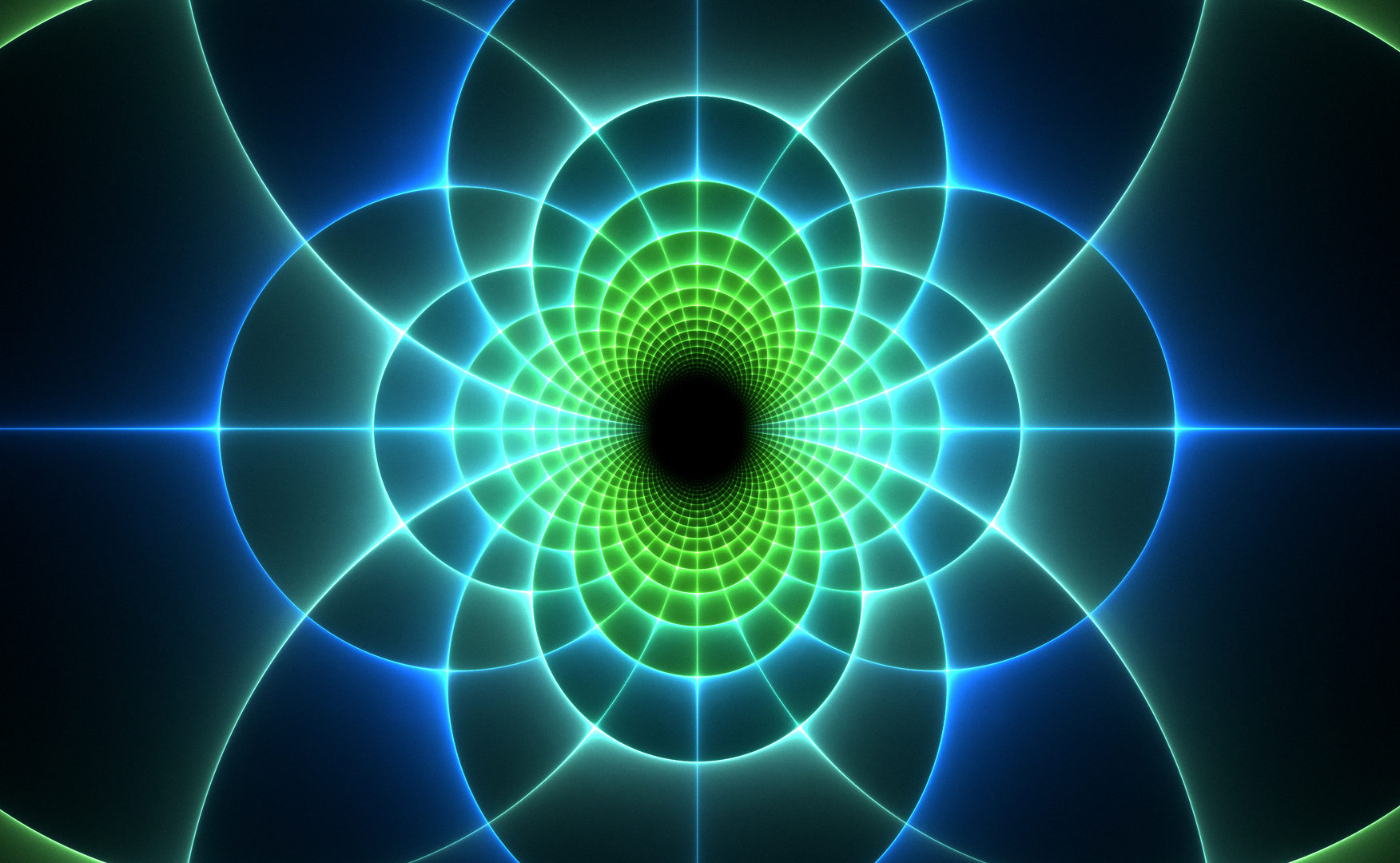
From a bee’s hexagonal honeycomb to the elliptical paths of planets, symmetry has long been recognized as a vital quality of nature. Today’s theorists are pursuing an even more exotic symmetry that, mathematically speaking, could be nature’s final fundamental symmetry: supersymmetry.
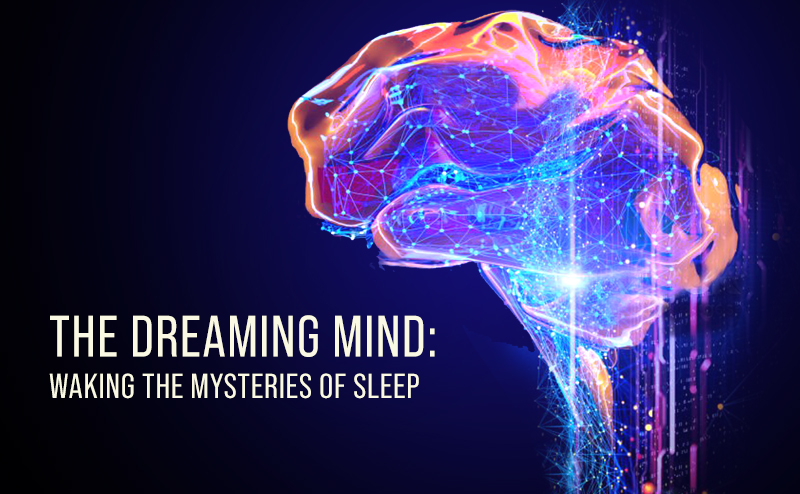
Where do our dreams come from, why do we have them, and what do they mean? Can we harness them to foster creativity, solve problems, and prepare for the future? …