Search Icon





Drawing on a range of disciplines, this provocative program looked at how discoveries in areas like fundamental physics, anthropology, and genomics are influencing our understanding of uniquely human characteristics.

A compelling narrative is the true heart of science writing, whether it comes in the form of a science fiction classic like Frankenstein or a physicist’s blog posts. But what are the specific ways that writers illuminate and humanize science?
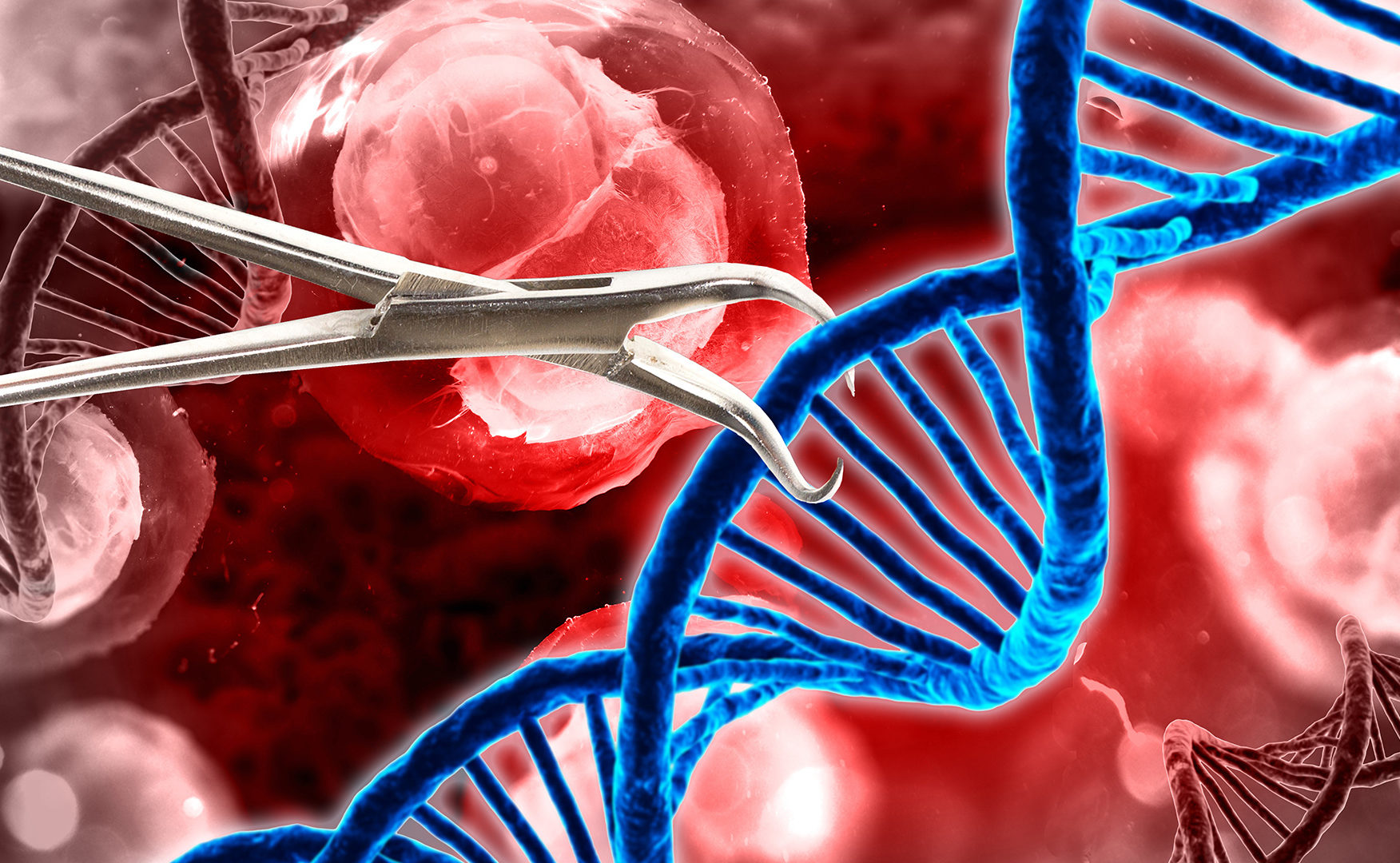
CRISPR: It’s the powerful gene editing technology transforming biomedical research. Fast, cheap and easy to use, it allows scientists to rewrite the DNA in just about any organism—including humans—with tests on human embryos already underway.

For this year’s inaugural address, “The Future of Big Science,” Nobel laureate and physicist Steven Weinberg considers the future of fundamental physics, especially as funding for basic research is reduced. Weinberg will explore physics’ small origins, starting with the discovery of the atomic nucleus 100 years ago by a single scientist.

Powerful new genetic tools allow scientists to alter the DNA of any organism—with tests on human embryos already underway. Even more ambitious, synthetic biologists on the verge of creating the genetic material for a living organism from scratch are setting their long-term sites on fashioning a fully synthetic human genome.
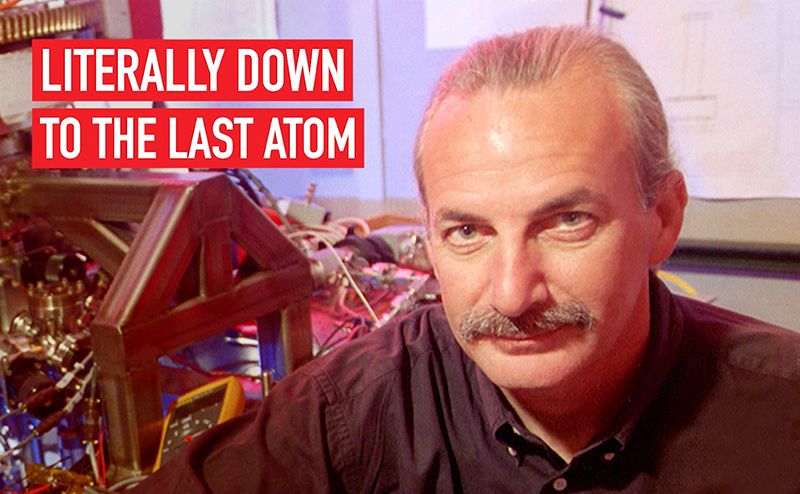
Do your friends call you a control freak? Well then, you’re in good company. Learn more about the #scientist known as the “Maestro of the Miniscule” who used atom manipulation …