51,858 views | 01:27:46







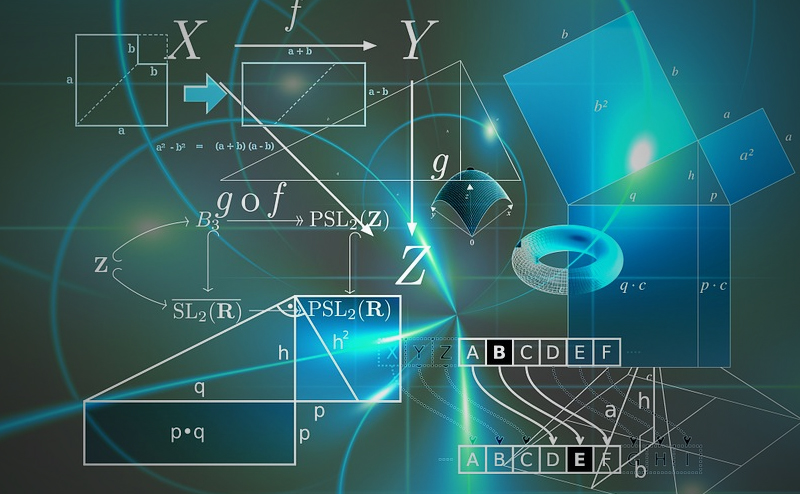
What might happen to mathematics, and to mathematicians, when artificial intelligence can solve in hours or days what humans have struggled with for decades or longer.
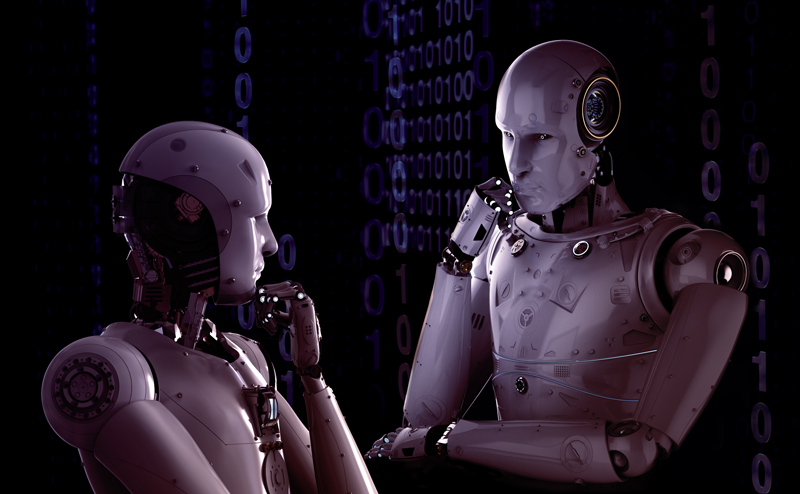
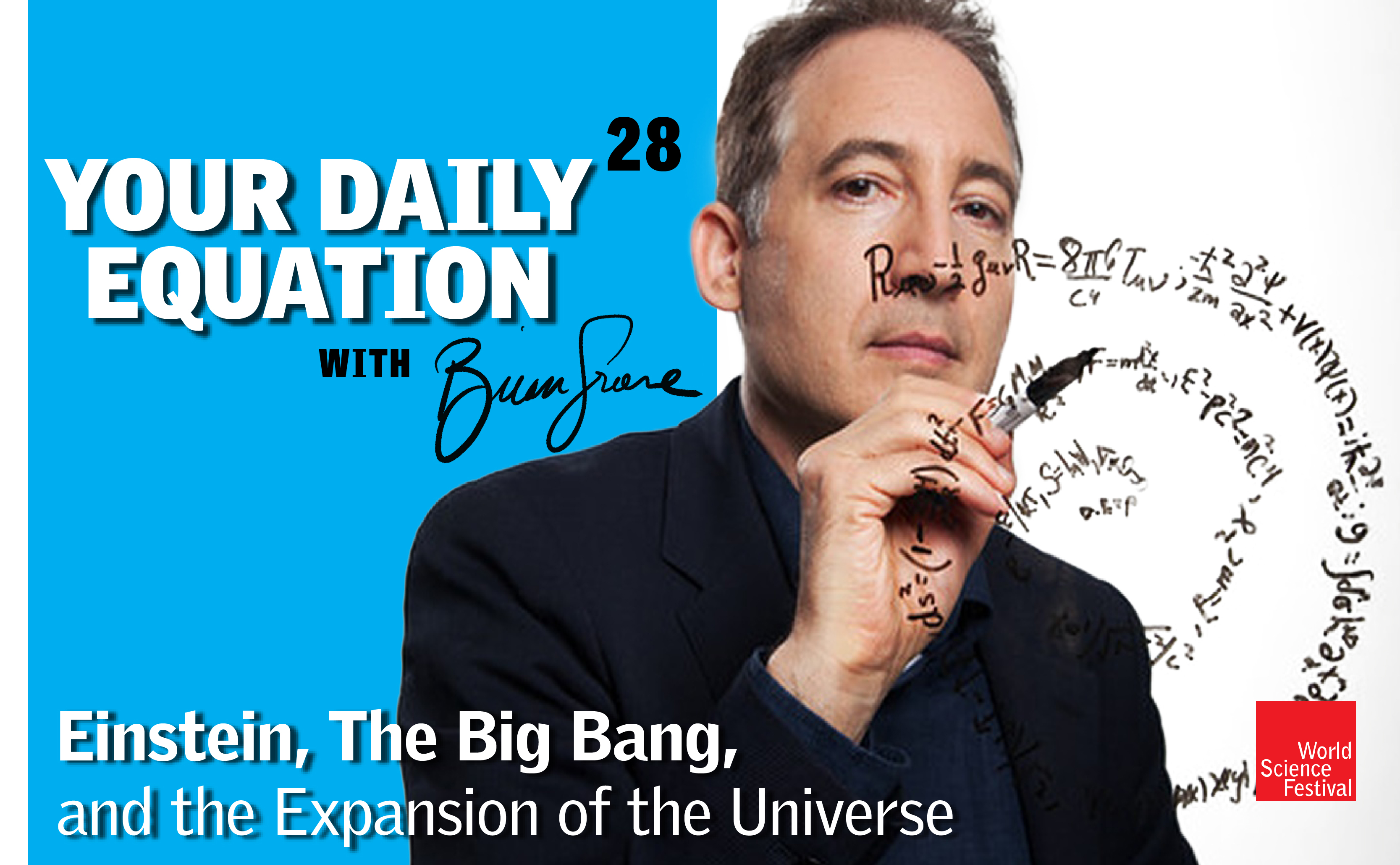
Brian Greene reflects on OpenAI’s release of more than 700 papers, claiming progress on roughly 370 unsolved mathematical problems, and asks the question: Going forward, what will be the role of the human mathematician? Will AI’s approach contain genuine insights or merely answers without understanding? Will human creativity and the flash of original insight still set us apart, and what would it mean if they don’t? Greene concludes that the role of the mathematician may ultimately shift from solver to curator, critic, and conductor of an intelligence that now moves faster and perhaps deeper than we do. What does it mean to be a human thinker in an age when the machines may well surpass us?
What might happen to mathematics, and to mathematicians, when artificial intelligence can solve in hours or days what humans have struggled with for decades or longer.
Brian Greene reflects on OpenAI’s release of more than 700 papers, claiming progress on roughly 370 unsolved mathematical problems, and asks the question: Going forward, what will be the role of the human mathematician? Will AI’s approach contain genuine insights or merely answers without understanding? Will human creativity and the flash of original insight still set us apart, and what would it mean if they don’t? Greene concludes that the role of the mathematician may ultimately shift from solver to curator, critic, and conductor of an intelligence that now moves faster and perhaps deeper than we do. What does it mean to be a human thinker in an age when the machines may well surpass us?

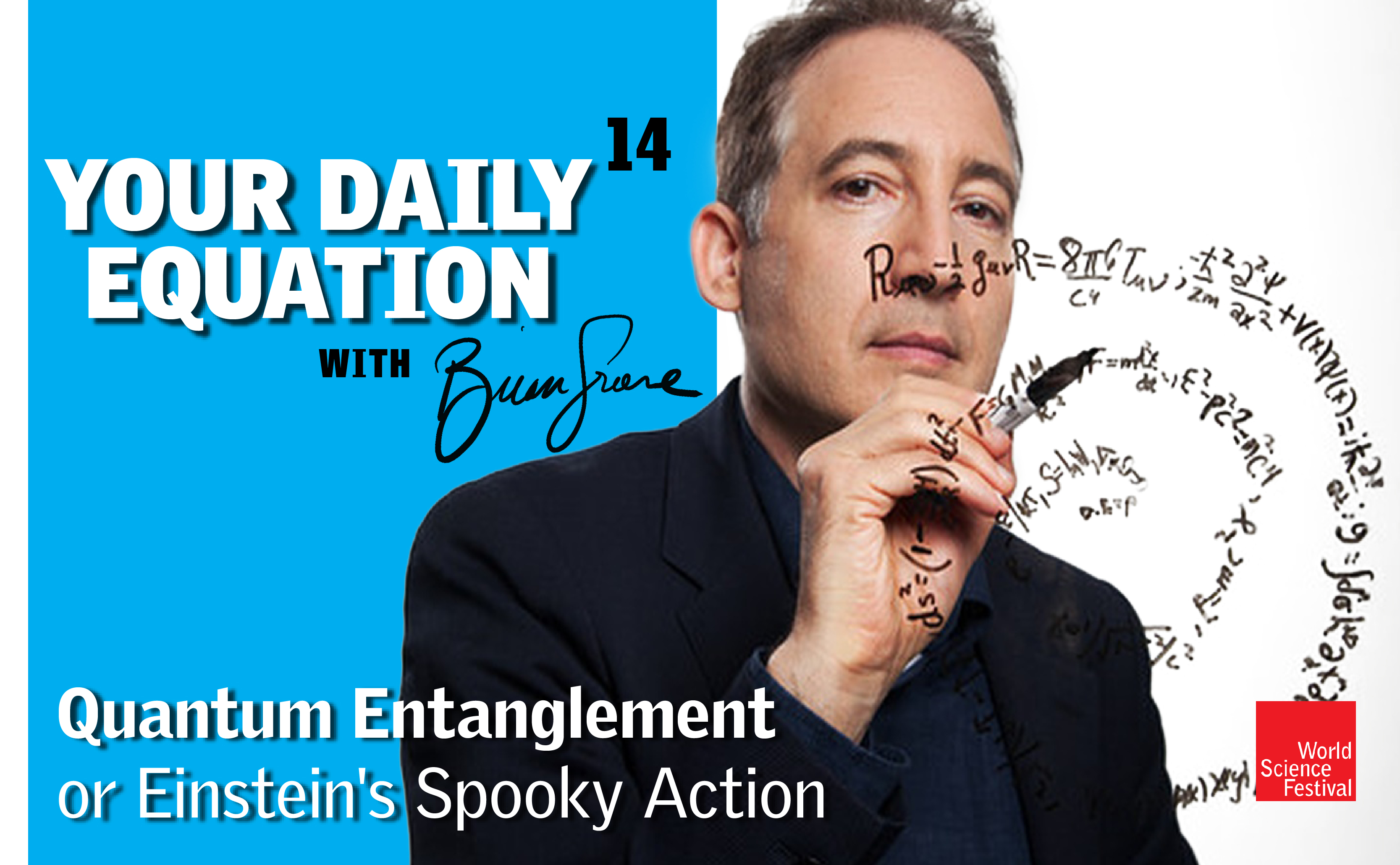
Brian Greene is a professor of physics and mathematics at Columbia University, and is recognized for a number of groundbreaking discoveries in his field of superstring theory. His books, The Elegant Universe, The Fabric of the Cosmos, and The Hidden Reality, have collectively spent 65 weeks on The New York Times bestseller list.
Read More