Search Icon




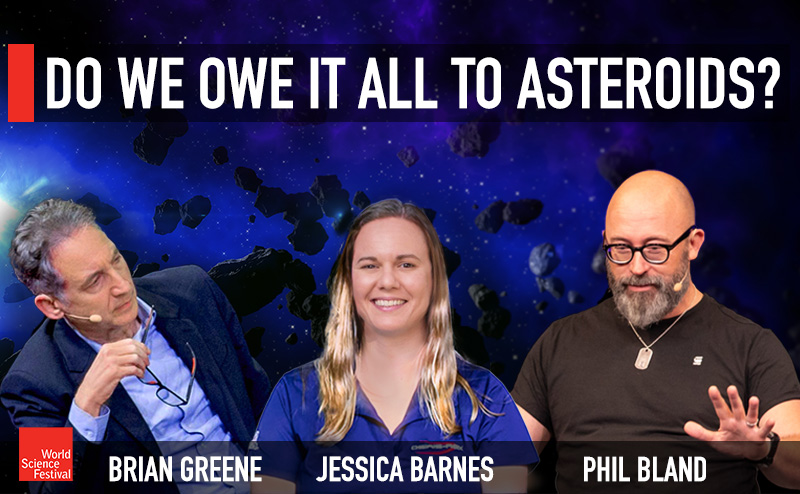
Did the molecules that make up life ride to earth on an asteroid? Planetary scientists Jessica Barnes and Phil Bland join Brian Greene to discuss NASA’s recent rendezvous with Bennu, …
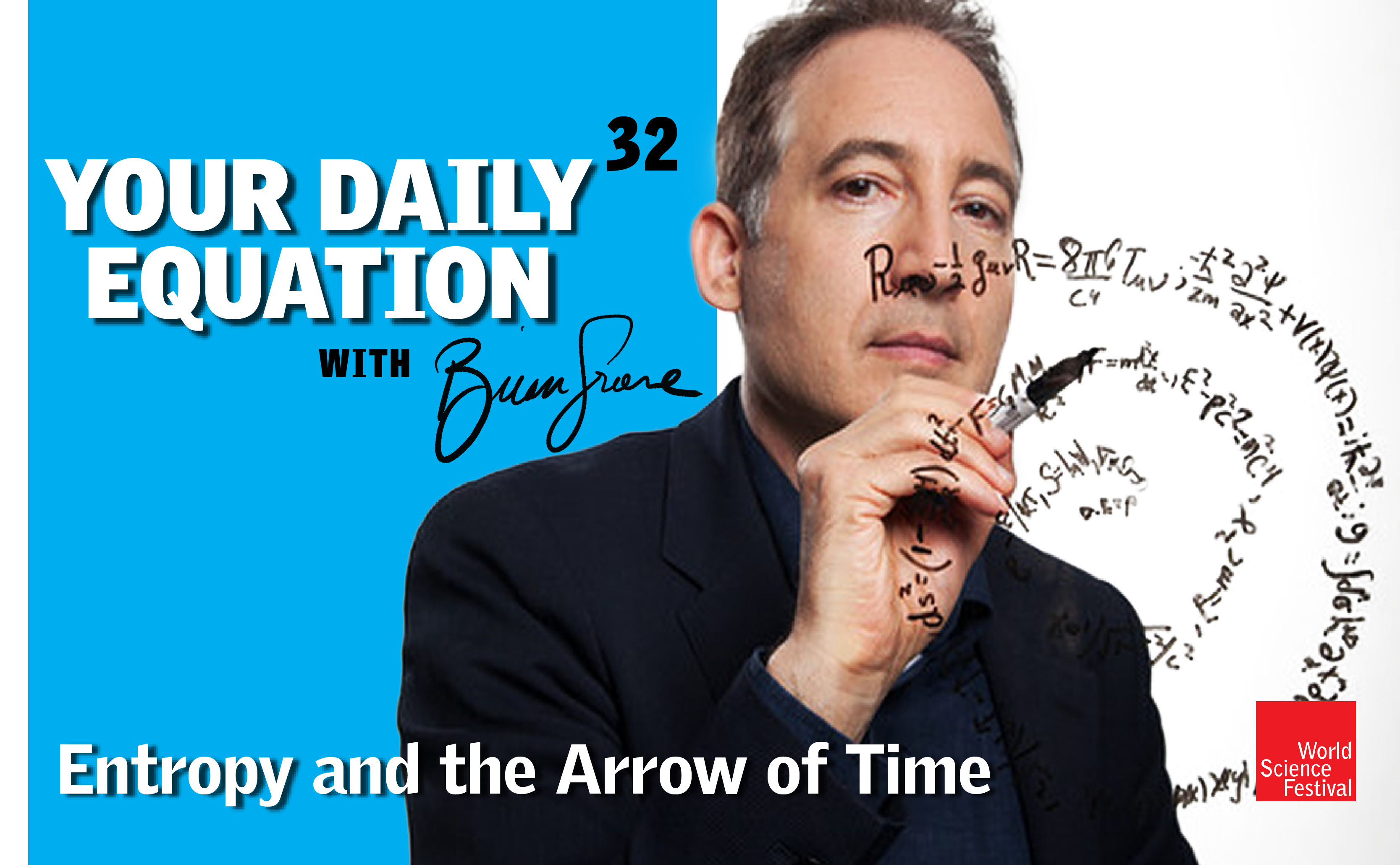
Join us for #YourDailyEquation with Brian Greene. Every Mon – Fri at 3pm EDT, Brian Greene will offer brief and breezy discussions of pivotal equations. Even if your math is a …

Invention and innovation are the mark of robotics engineer Dennis Hong’s lab. Watch as he demonstrates some of the remarkable robots that his team has built. The robots walk on …

The multiverse hypothesis, suggesting that our universe is but one of perhaps infinitely many, speaks to the very nature of reality. Join physicist Brian Greene, cosmologists Alan Guth and Andrei Linde, and philosopher Nick Bostrom as they discuss and debate this controversial implication of forefront research.
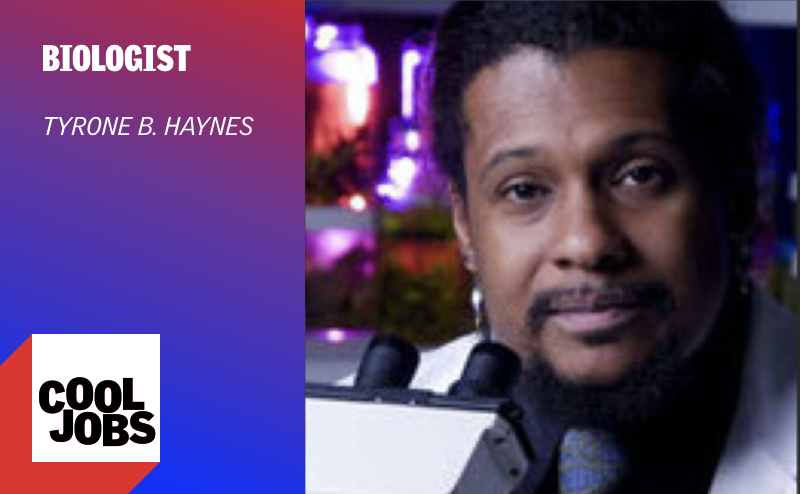
Amphibian biologist Tyrone Hayes’s boyhood love of frogs turned into a career of adventure. Hear how he uncovered farming chemicals that give male frogs female reproductive capabilites, a discovery that …

The prestigious biennial Kavli Prizes recognize scientists for major advances in three research areas: astrophysics, nanoscience and neuroscience—the big, the small and the complex. The 2014 winners, sharing a $1 million award in each field, will be announced live via satellite from the Norwegian Academy of Science and Letters in Oslo.