Search Icon



The prestigious Kavli Prizes recognize scientists for major advances in three research areas: astrophysics, nanoscience and neuroscience—the big, the small and the complex. The 2016 winners, sharing a cash award of $1 million in each field, will be announced via live satellite from the Norwegian Academy of Science and Letters in Oslo.
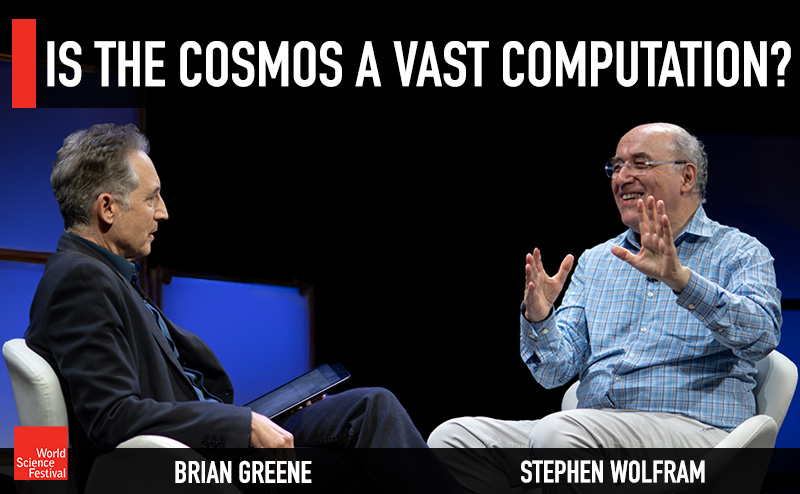
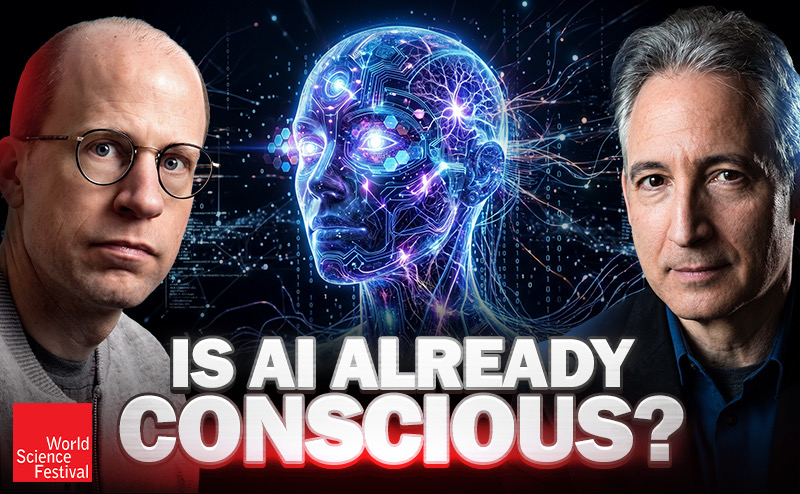
Pioneering computer scientist and physicist Stephen Wolfram joins Brian Greene to discuss the interplay between physical law, computation, and artificial intelligence.
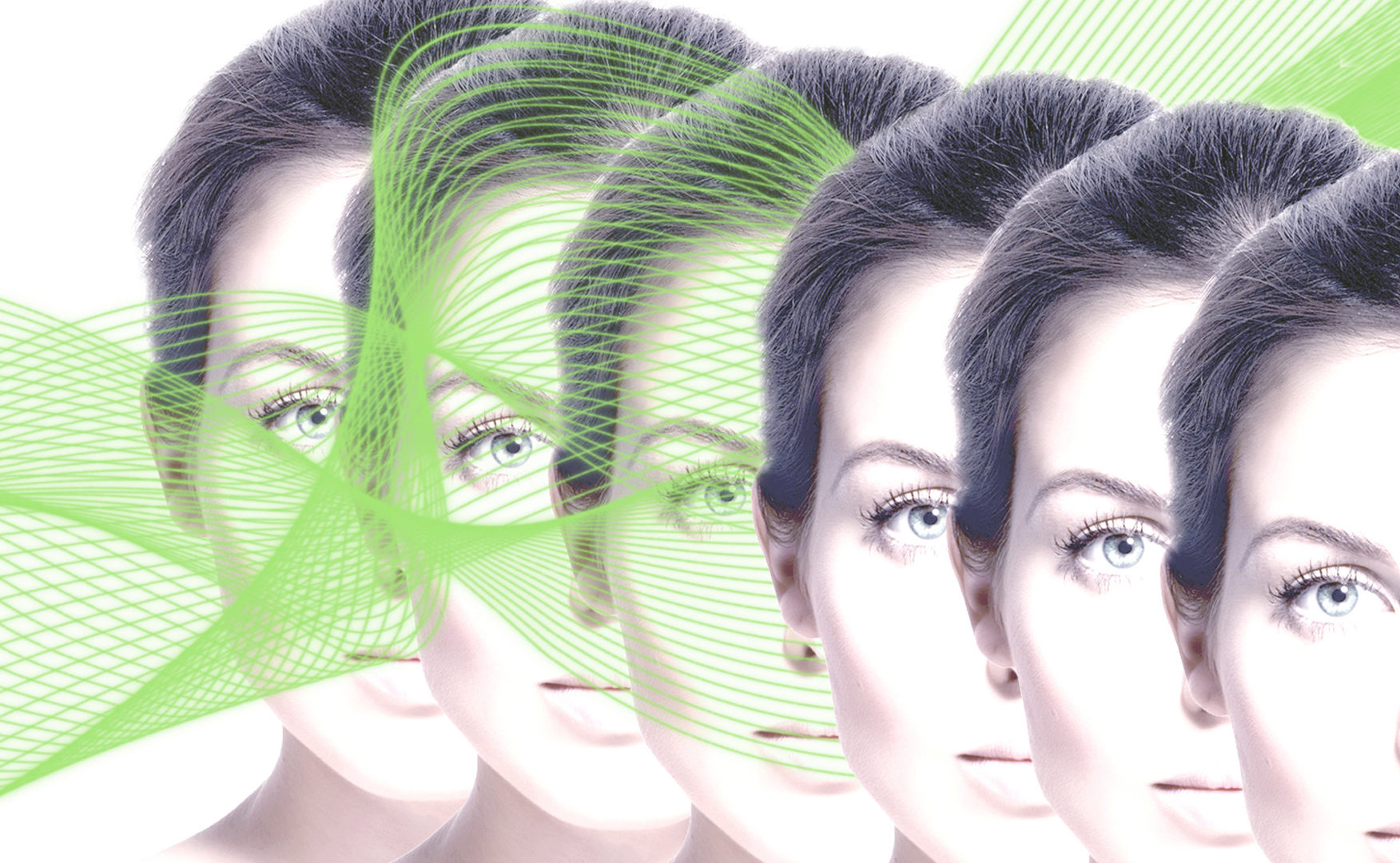
It’s an old question: What is consciousness? Today, sophisticated brain imaging technologies, clinical studies, as well as the newfound ability to listen to the whisper of even an individual nerve cell, are bringing scientists closer than ever to the neurobiological basis of consciousness.
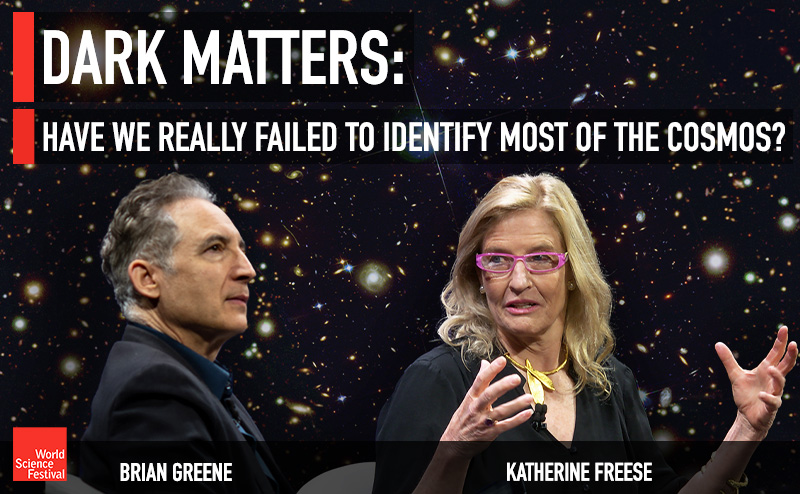
How confident are we that most matter in the universe has so far escaped detection? And if there is dark matter, might there be dark stars and even a dark …

Today, cryptography has moved beyond the realm of dilettantes and soldiers to become a sophisticated scientific art—combining mathematics, physics, computer science, and electrical engineering. It not only protects messages, but it also safeguards our privacy. From email to banking transactions, modern cryptography is used everywhere.
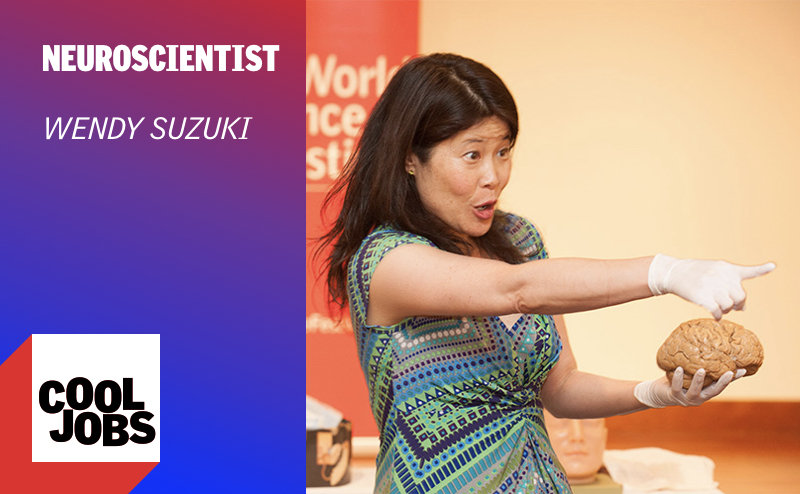
What do aerobic exercise and memory have in common? According to neuroscientist Wendy Suzuki, more than you think. Her passion for the human brain, memory, and exercise are inspiring people …