Search Icon





A compelling narrative is the true heart of science writing, whether it comes in the form of a science fiction classic like Frankenstein or a physicist’s blog posts. But what are the specific ways that writers illuminate and humanize science?
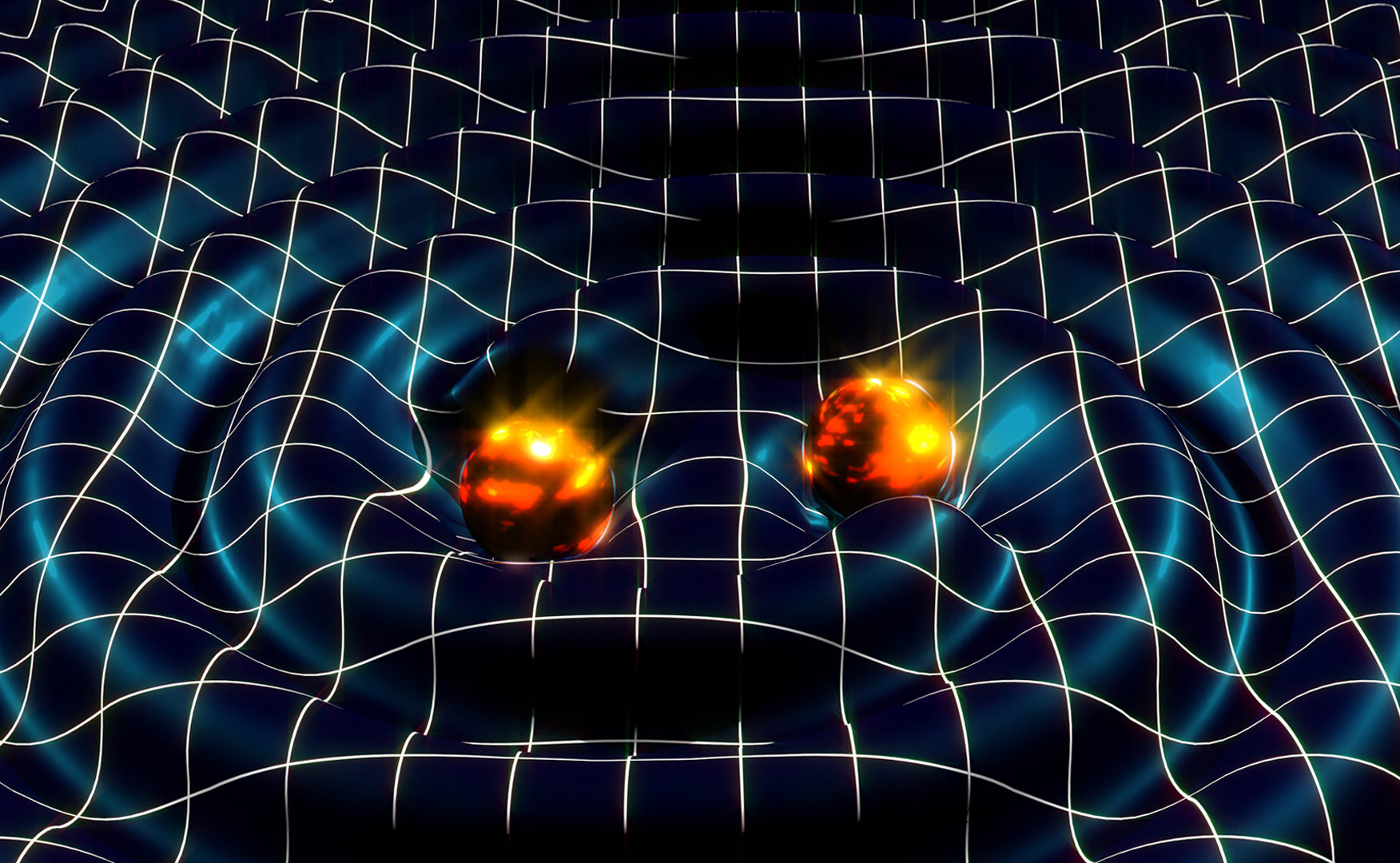
On September 14th, 2015, a ripple in the fabric of space, created by the violent collision of two distant black holes over a billion years ago, washed across the Earth. As it did, two laser-based detectors momentarily twitched, confirming a century-old prediction by Albert Einstein and marking the opening of a new era in astronomy.
There are many types of telescopes used in astronomy, but X-ray telescopes offer a view of the cosmos that reveal just how much of a living ecosystem the universe is. …
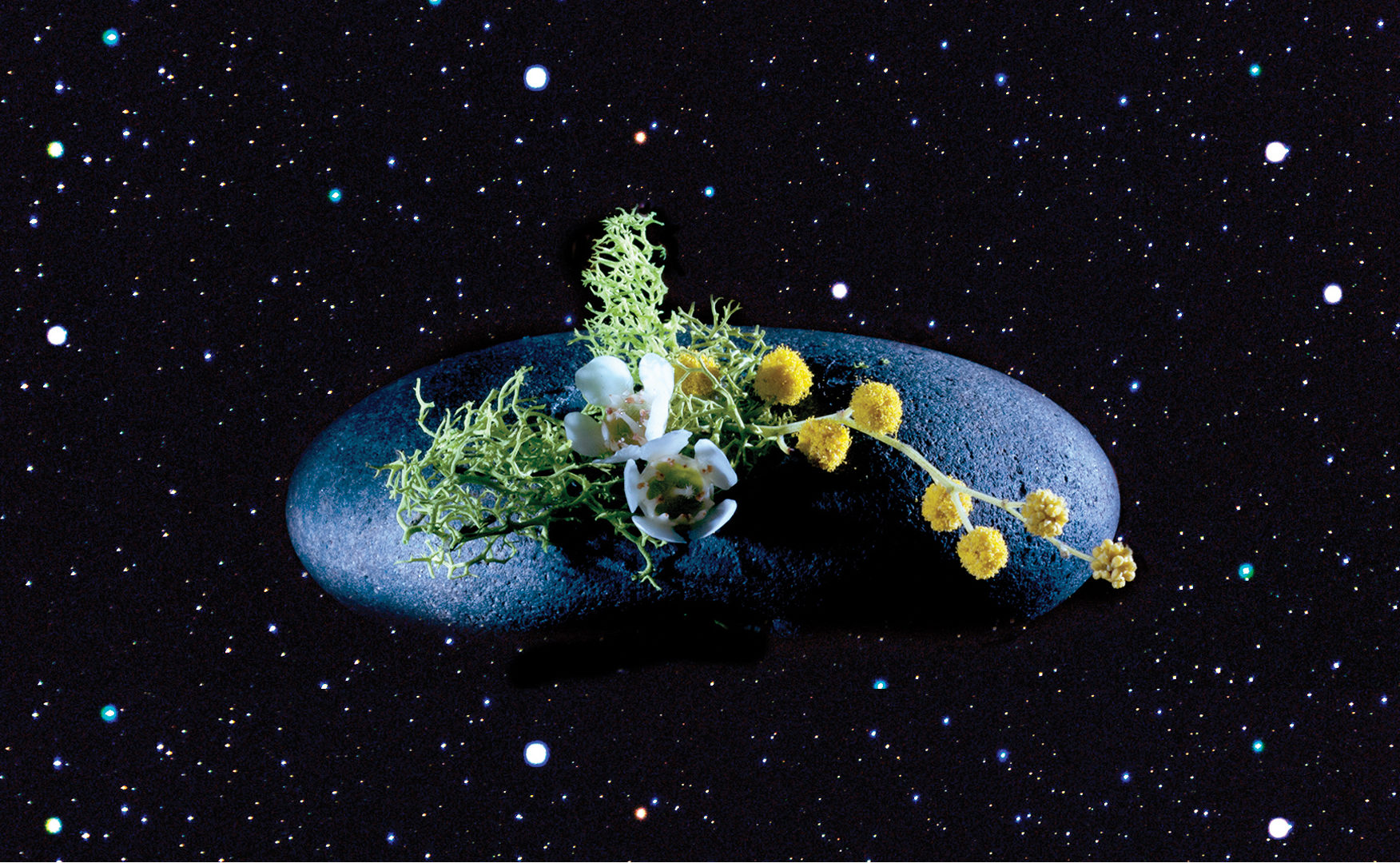
What are scientists looking for when searching for alien life? A lot, it turns out: the search for extraterrestrials requires the help from astronomers, planetary scientists, chemists, computer scientists, and geneticists, just to name a few. But are we barking up the wrong carbon-based tree?

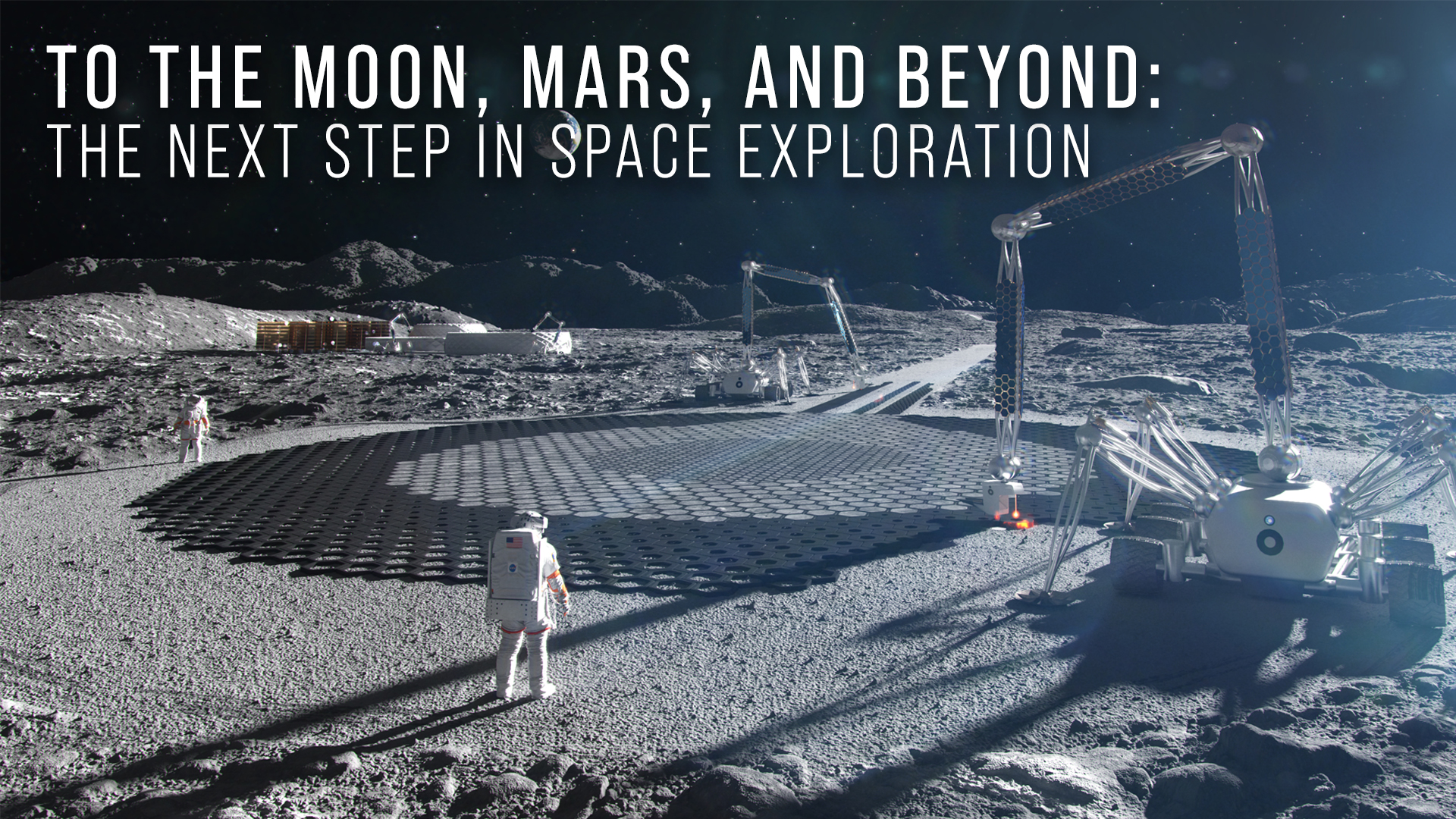
For the last half century we have slipped the surly bonds of earth with landers, rovers and spacecraft that have allowed us to touch the very edge of the Solar …

In the future, a woman with a spinal cord injury could make a full recovery; a baby with a weak heart could pump his own blood. How close are we today to the bold promise of bionics—and could this technology be used to improve normal human functions, as well as to repair us?