Search Icon




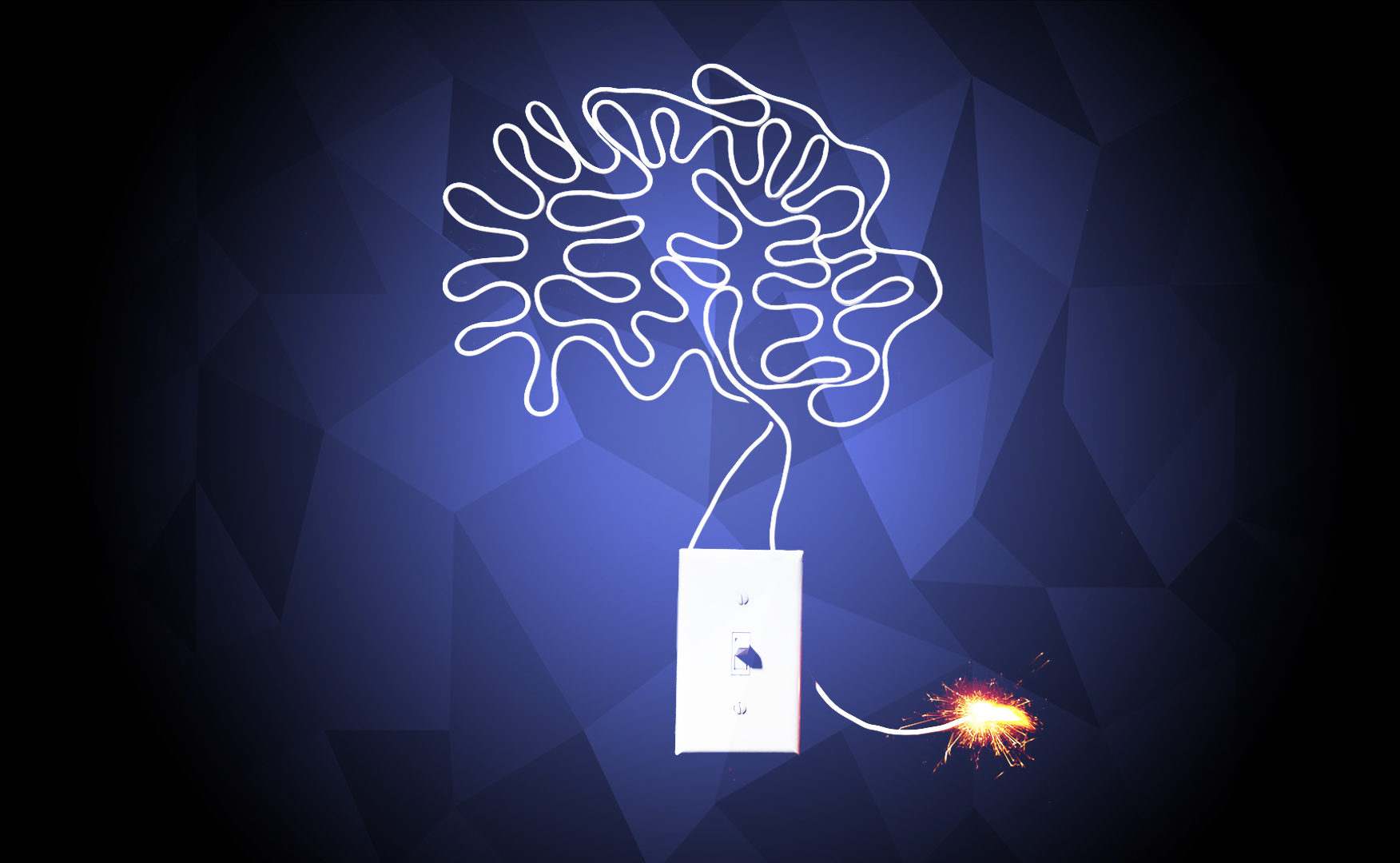
At present, our brains are mostly dependent on all the stuff below the neck to turn thought into action. But advances in neuroscience are making it easier than ever to hook machines up to minds.
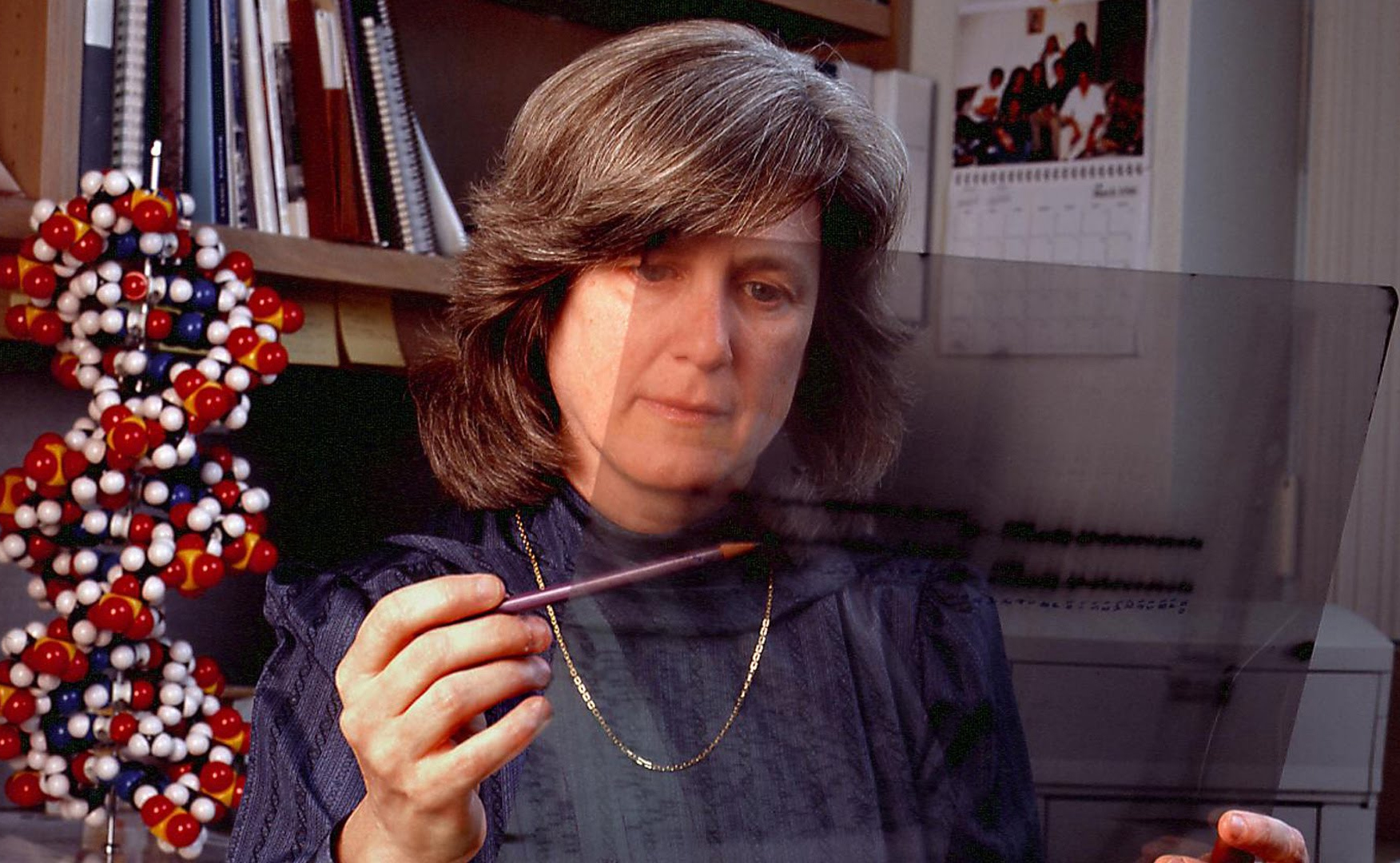
Every successful scientist seems to have a “once in a blue moon” discovery during his or her lifework: an accident or epiphany that unexpectedly leads to a serendipitous breakthrough. Geneticist …
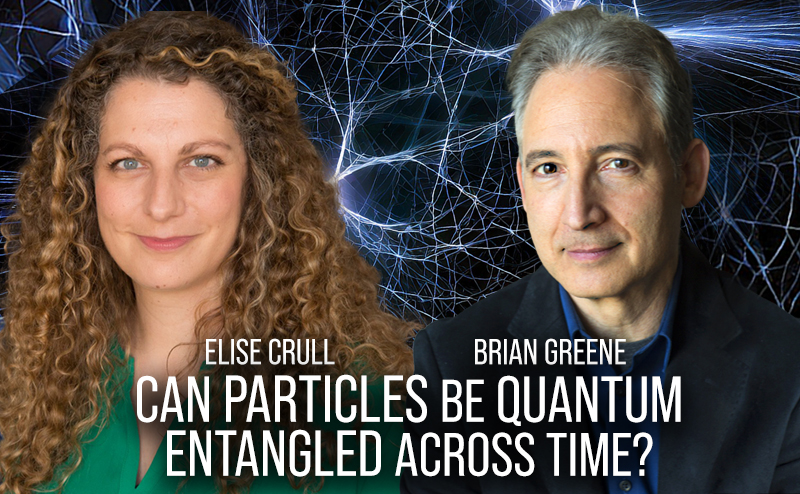
Einstein’s “spooky action” describes quantum particles entangled across space, but can such spookiness entangle particles across time? A conversation spanning the origins of quantum mechanics through its leading-edge implications for …
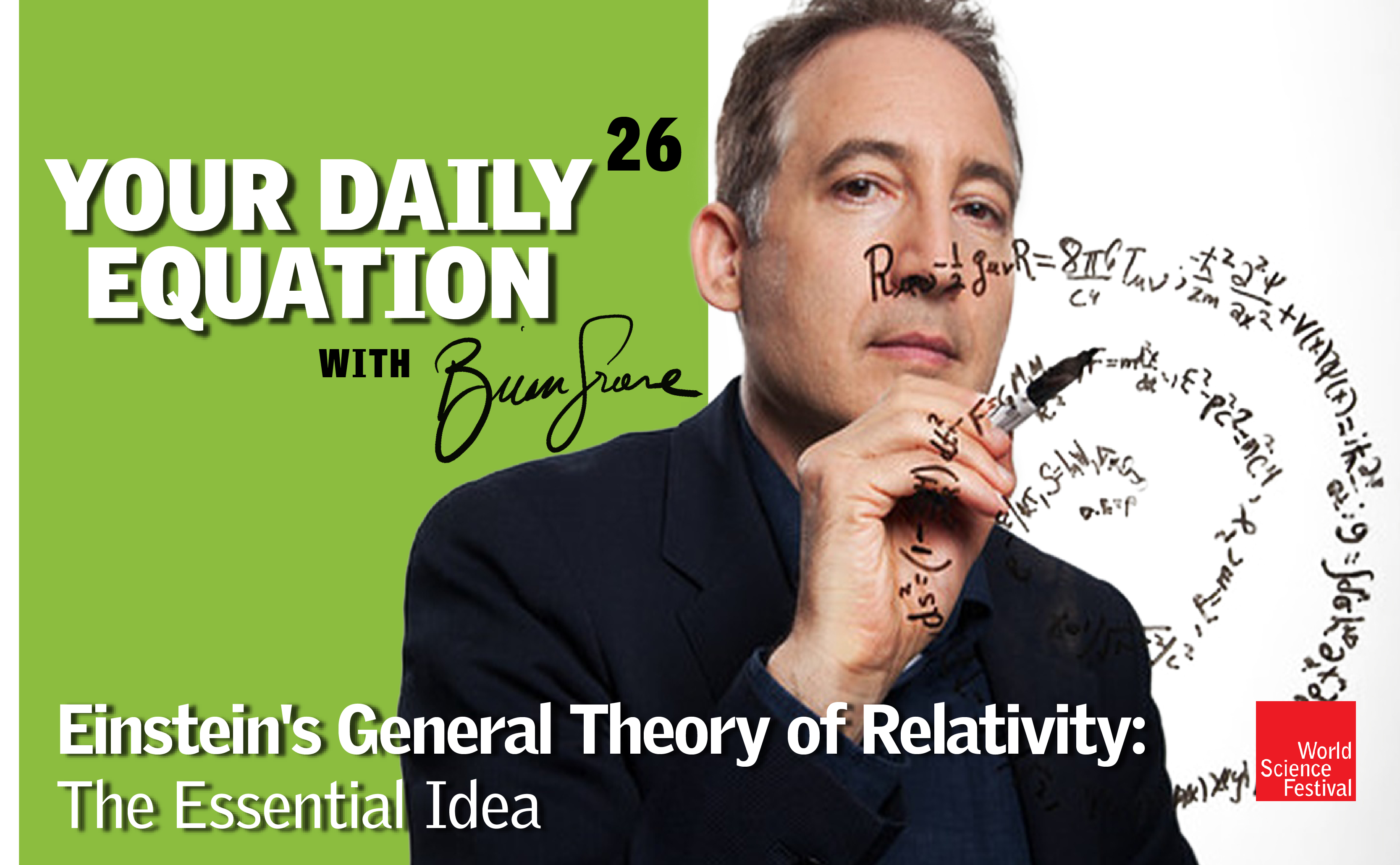
Join us for #YourDailyEquation with Brian Greene. Every Mon – Fri at 3pm EDT, Brian Greene will offer brief and breezy discussions of pivotal equations. Even if your math is a …
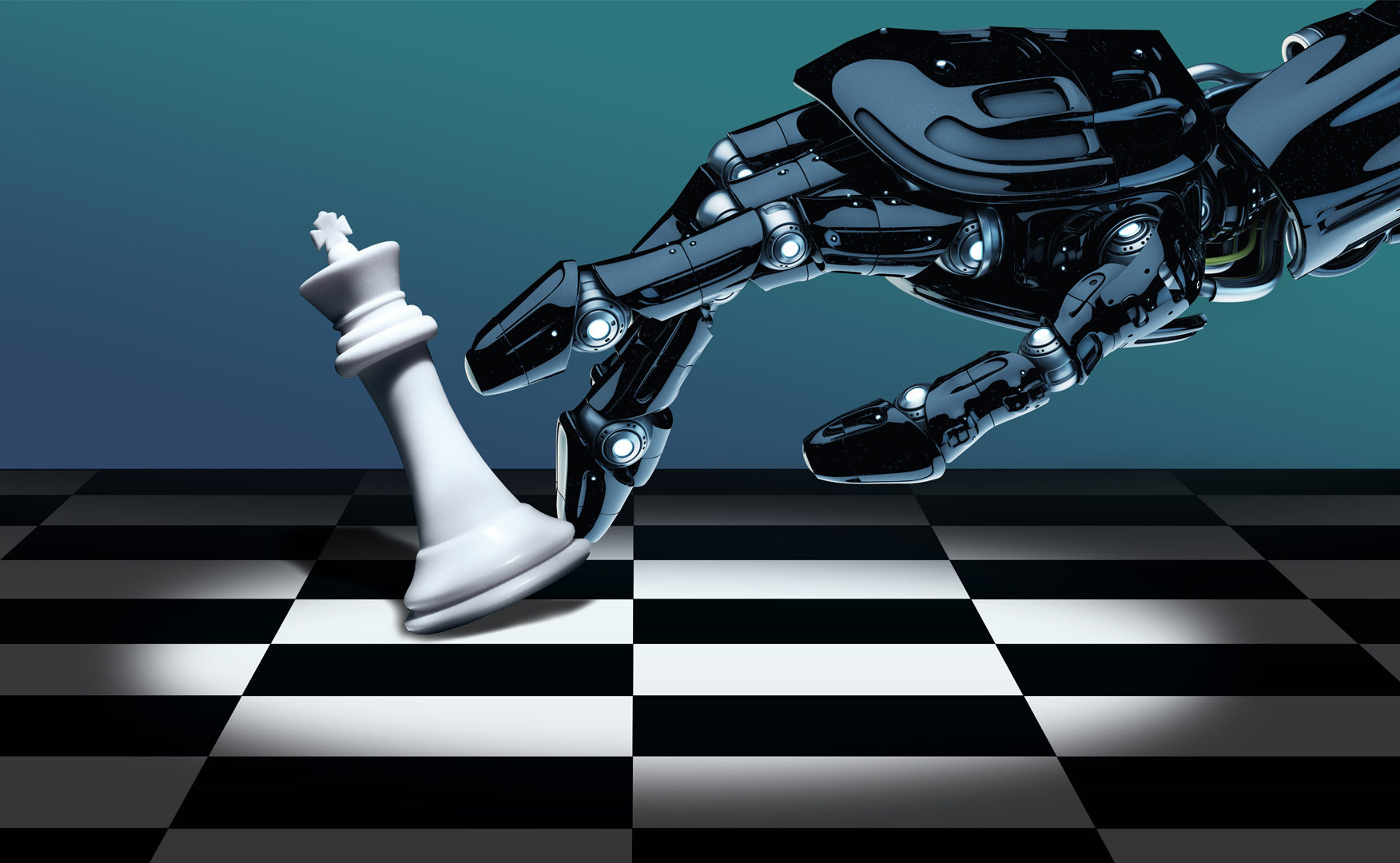
A self-driving car has a split second to decide whether to turn into oncoming traffic or hit a child who has lost control of her bicycle. An autonomous drone needs to decide whether to risk the lives of busload of civilians or lose a long-sought terrorist. How does a machine make an ethical decision?
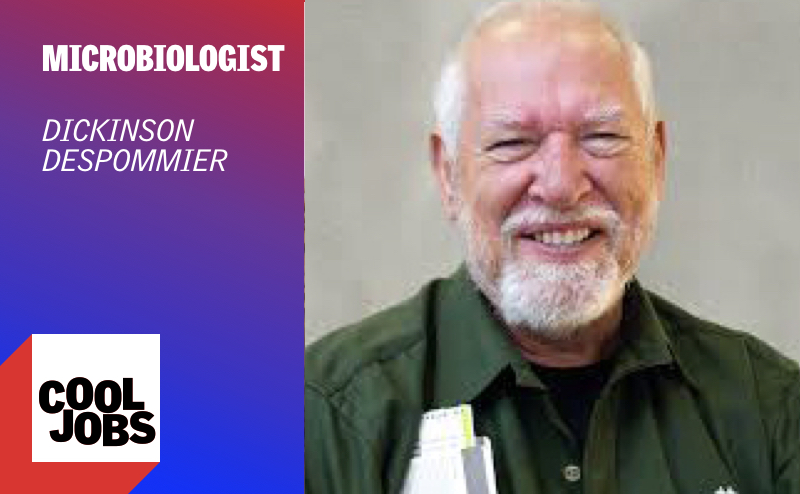
Medical ecologist Dickson Despommier describes the Vertical Farm Project, a movement to promote urban renewal while producing a sustainable food supply. The project is a result of his years studying …