Search Icon





What we touch. What we smell. What we feel. They’re all part of our reality. But what if life as we know it reflects only one side of the full story? Some of the world’s leading physicists think that this may be the case.
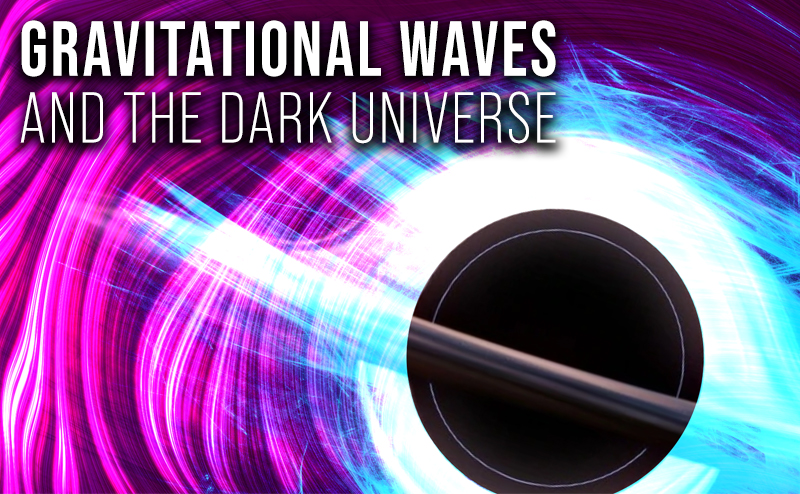
Join us to explore hot-off-the press results in gravitational waves and a just-launched mission promising to shed light on the dark universe. Brian Greene in live conversation with Chiara Mingarelli …

Powerful new genetic tools allow scientists to alter the DNA of any organism—with tests on human embryos already underway. Even more ambitious, synthetic biologists on the verge of creating the genetic material for a living organism from scratch are setting their long-term sites on fashioning a fully synthetic human genome.
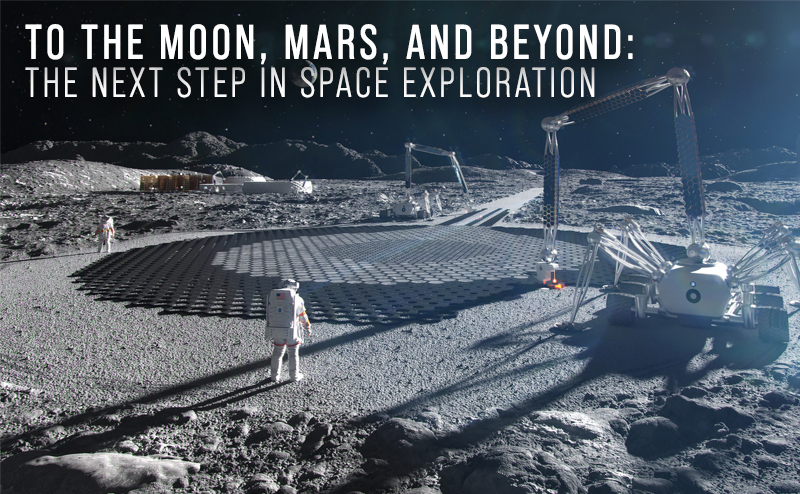
The successful launch of Artemis I marks the first step toward humankind’s return to the moon in half-a-century, and is vital to the yet more ambitious plan of landing a …
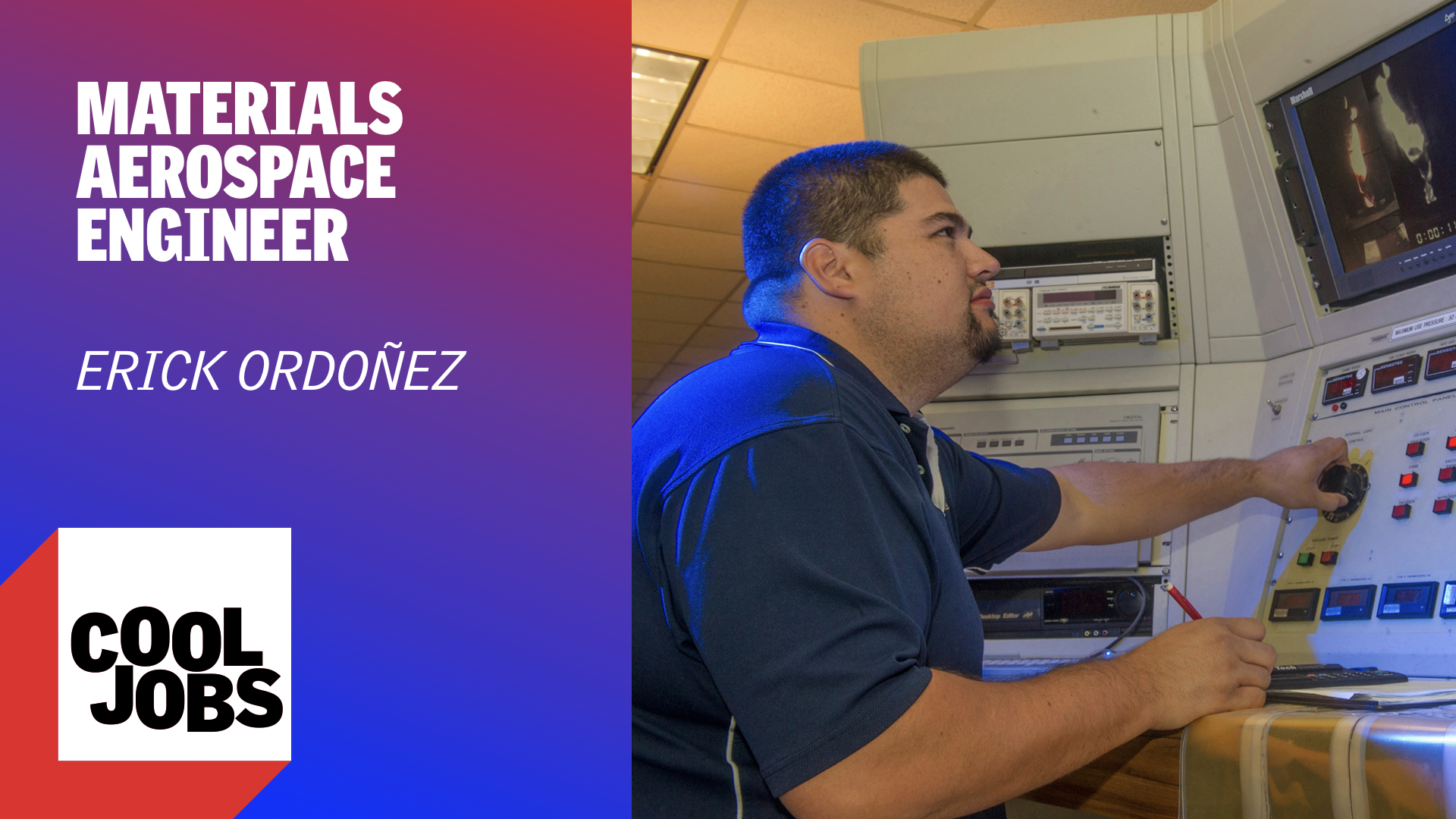
Where will astronauts live when they land on Mars? That’s the problem @NASA_Marshall engineer Erick Ordoñez helps to solve through 3D printing in his Cool Job. Episode filmed live at …
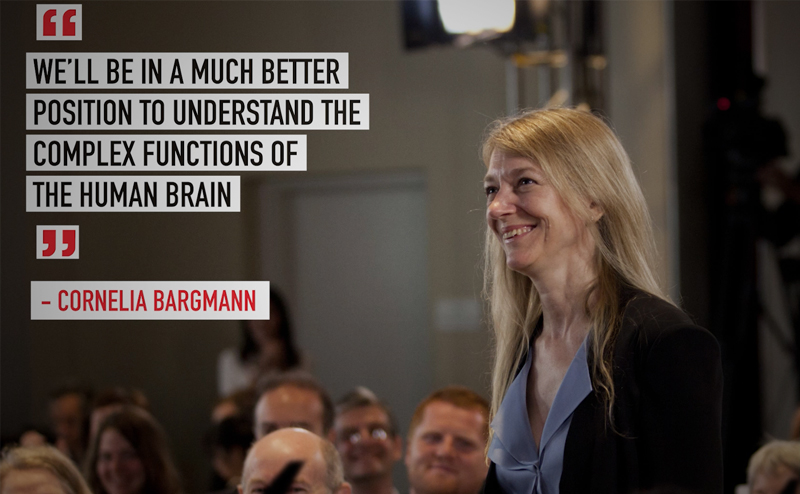
This video is part of our Brilliant Breakthroughs series: our new 20-episode mini-series exploring the “Eureka!” moments and proud accomplishments of the greatest scientific minds of our time. Join us …