Search Icon




What are the special challenges, pitfalls, opportunities and rare triumphs of seeking and synthesizing the essence of someone whose passion—quantum physics, number theory, nucleic acids, atomic species, computational design, gravitational phenomena—is so thoroughly foreign to the concerns of everyday life?
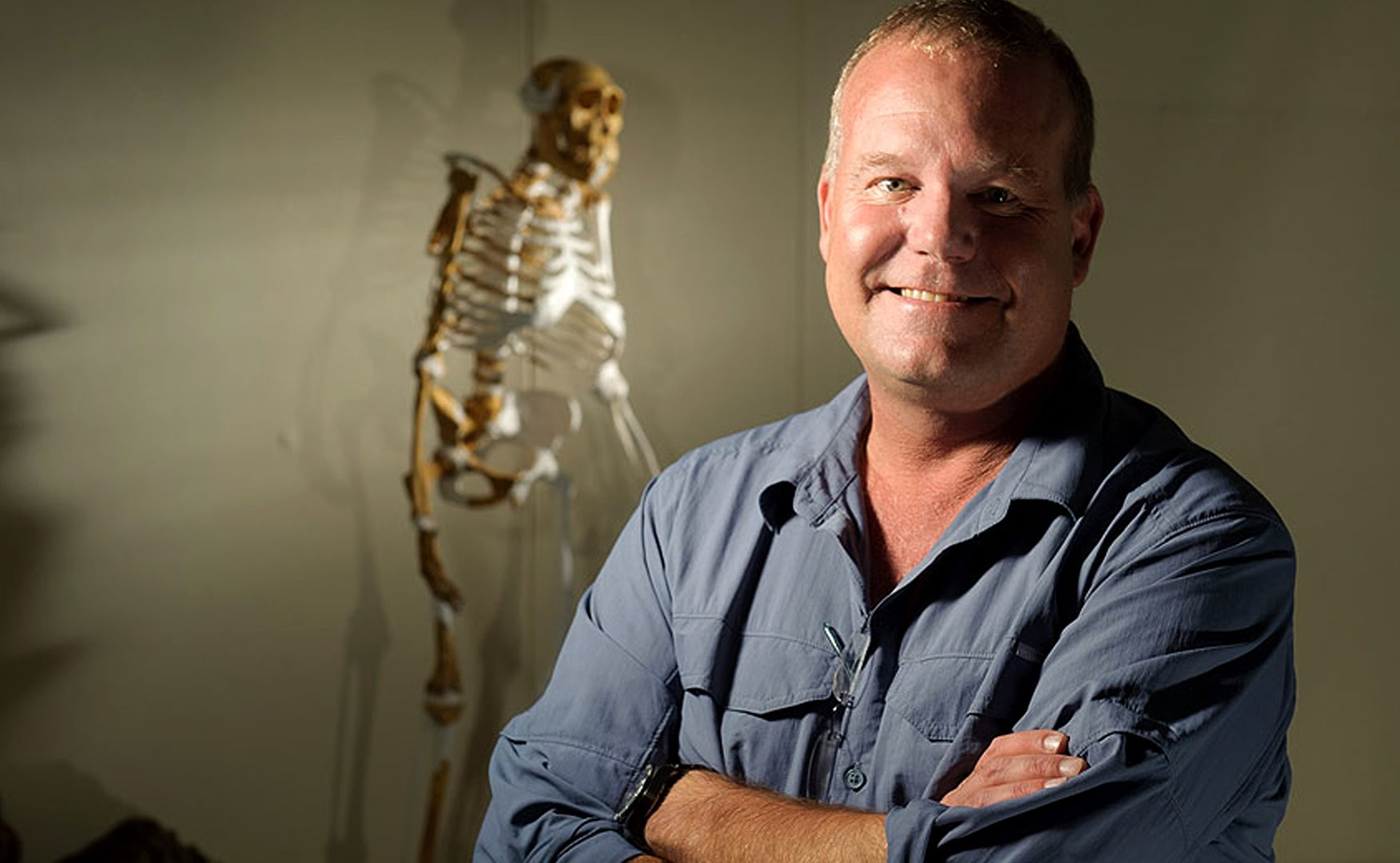
Professor Lee Berger is an award-winning researcher, explorer, author, palaeoanthropologist, and speaker. His explorations into human origins on the African continent, Asia, and Micronesia for the past two and a …
Winners of the prestigious 2010 Kavli Prizes—biennial international awards that recognize seminal advances in astrophysics, nanoscience and neuroscience, and include a cash prize of $1 million in each field— were …
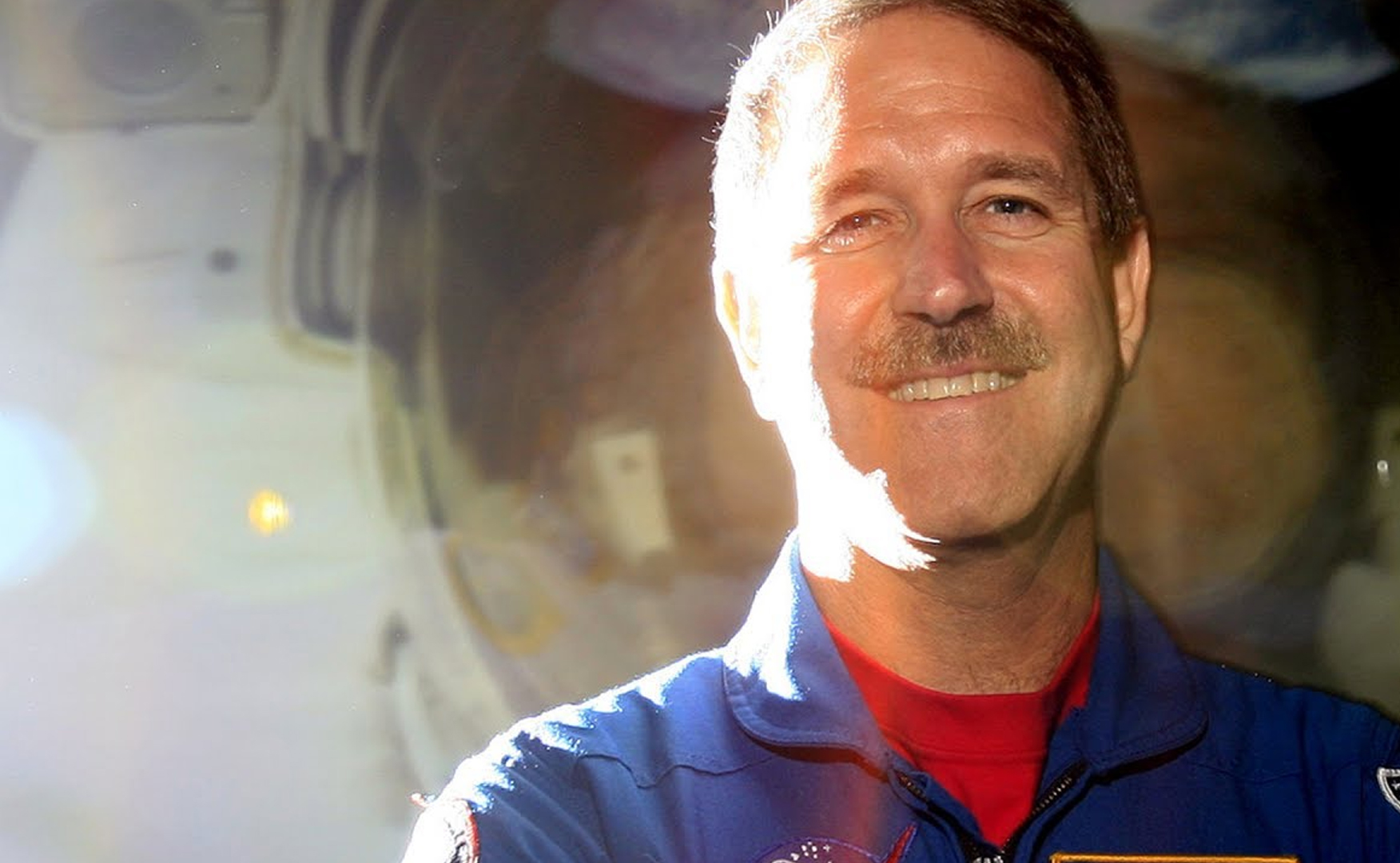
After a storied career with 5 spaceflights (including three trips to fix the Hubble Space Telescope), NASA astronaut John Grunsfeld now helms the space agency’s scientific missions. He helps shepherd …
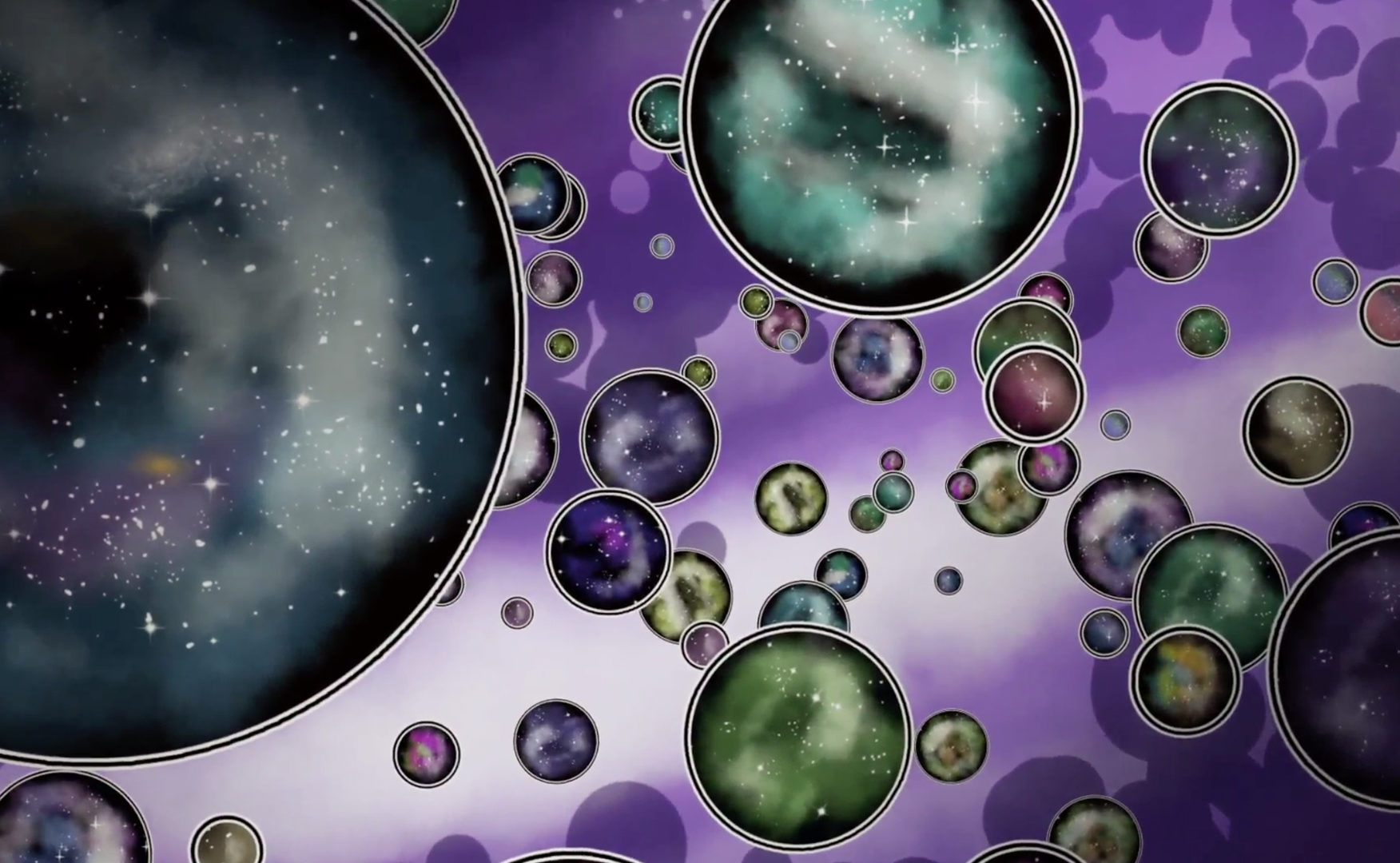
The inflationary theory of cosmology, an enduring theory about our universe and how it was formed, explains that just after the Big Bang, the universe went through a period of rapid expansion. This theory has been critical to understanding what’s going on in the cosmos today.

We look around us—constantly. But how often do we listen around us? Sound is critically important to our bodies and brains, and to the wider natural world. In the womb, we hear before we see.