Search Icon




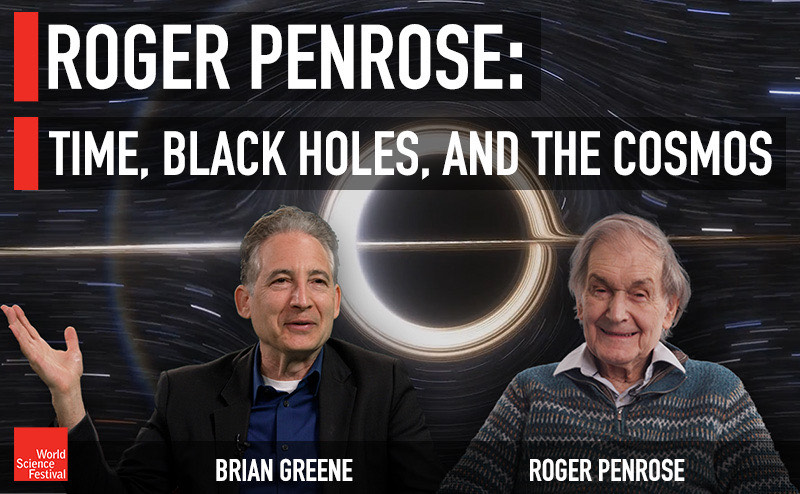
Nobel Laureate Roger Penrose joins Brian Greene to explore some of his most iconic insights into the nature of time, black holes, and cosmological evolution. This program is part of …
#YourDailyEquation with Brian Greene offers brief and breezy discussions of the most pivotal equations of the ages. Even if your math is a bit rusty, these accessible and exciting stories …
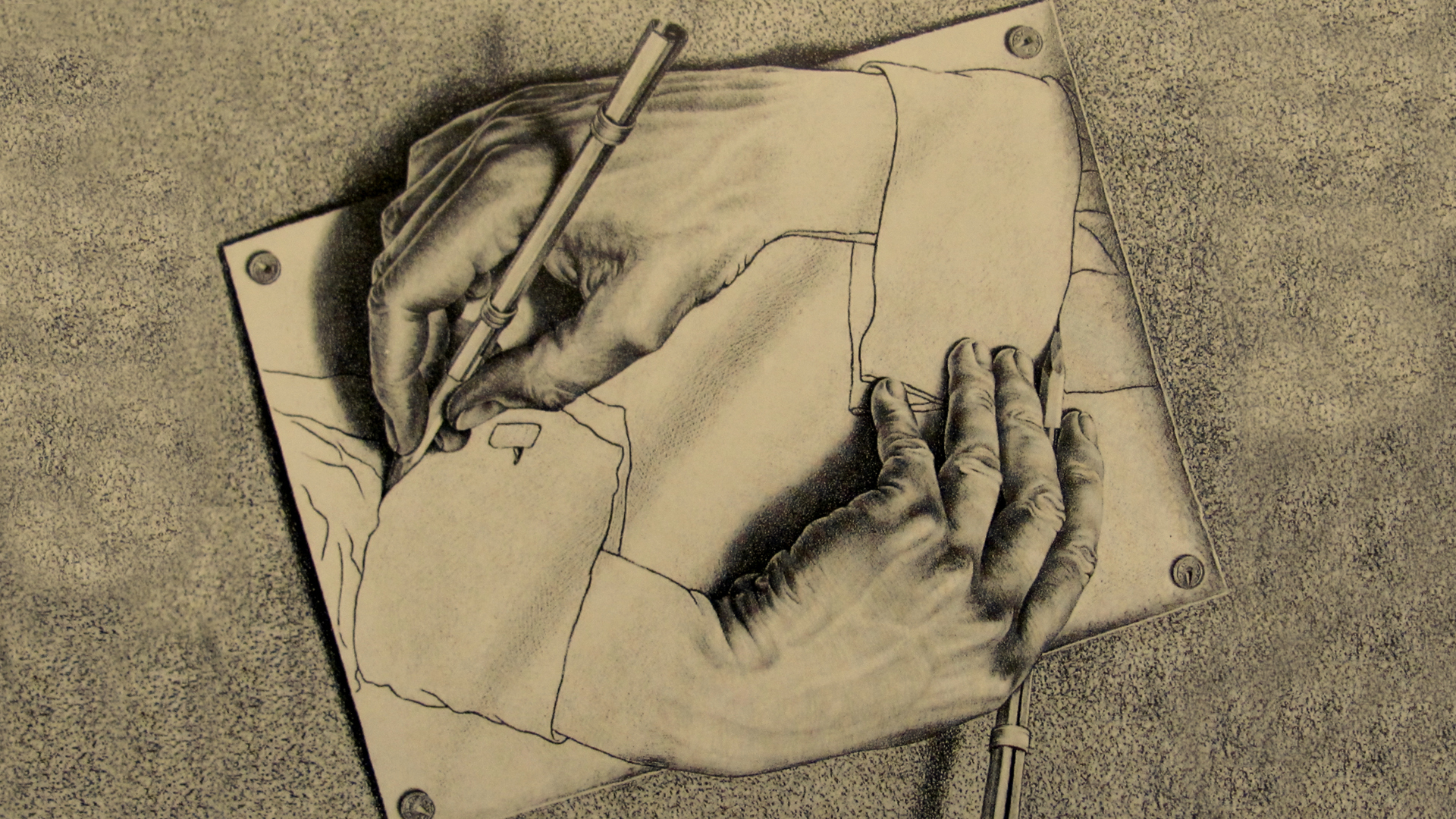
This statement is false. Think about it, and it makes your head hurt. If it’s true, it’s false. If it’s false, it’s true. In 1931, Austrian logician Kurt Gödel shocked the worlds of mathematics and philosophy by establishing that such statements are far more than a quirky turn of language: he showed that there are mathematical truths which simply can’t be proven.
How does the brain retrieve memories, articulate words, and focus attention? Recent advances have provided a newfound ability to decipher, sharpen, and adjust electrical signals relevant to speech, attention, memory …
What’s it like to face a faceless world? Acclaimed neurologist Oliver Sacks once apologized for almost bumping into a large bearded man, only to realize he was speaking to a mirror.

Probability is the backbone of science, but how well do you understand it? Odds are, not as well as you think; it is a surprisingly subtle concept that is often misunderstood, sometimes even by professionals who use it to guide crucial and far-reaching decisions.