Search Icon



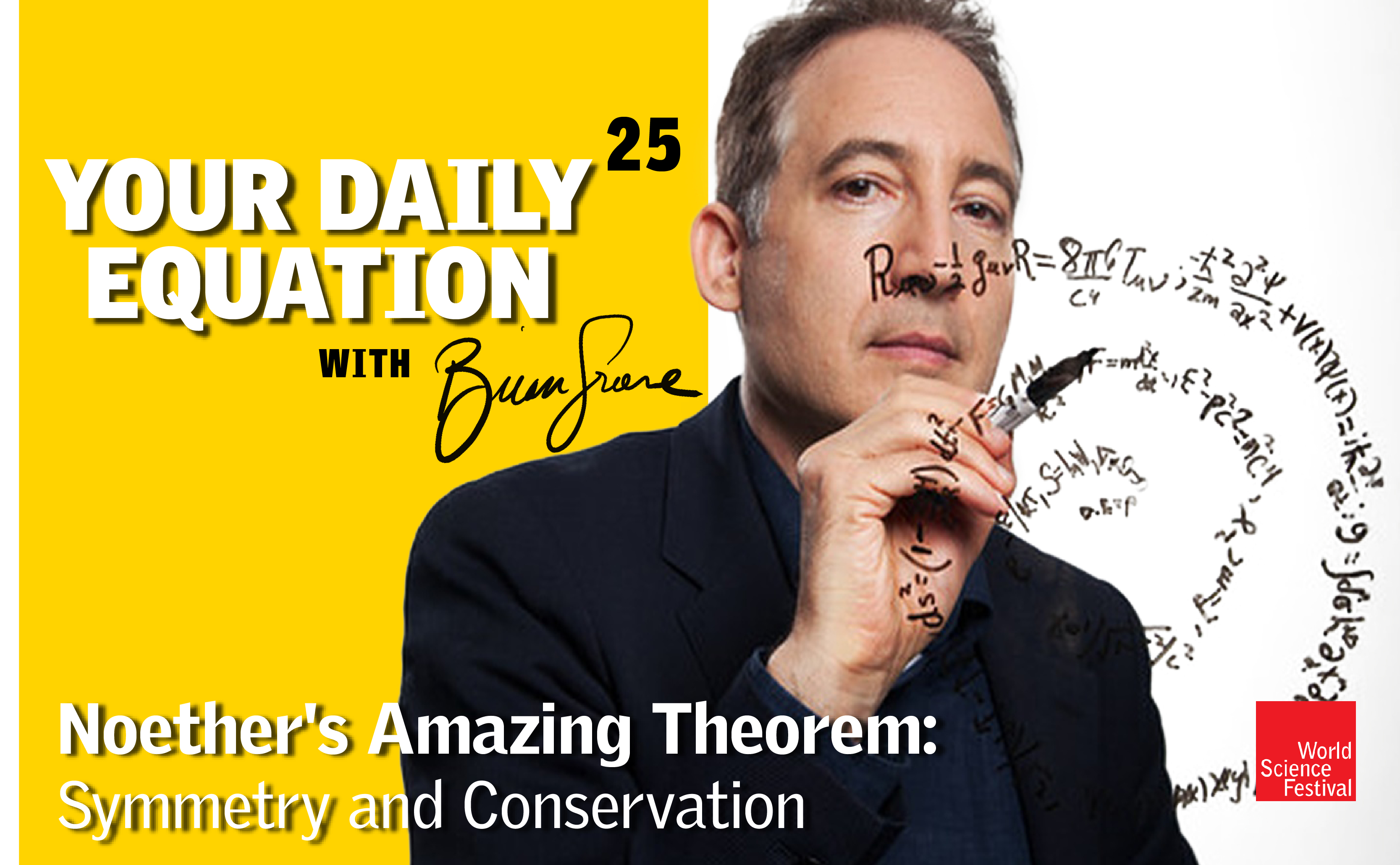
Join us for #YourDailyEquation with Brian Greene. Every Mon – Fri at 3pm EDT, Brian Greene will offer brief and breezy discussions of pivotal equations. Even if your math is a …
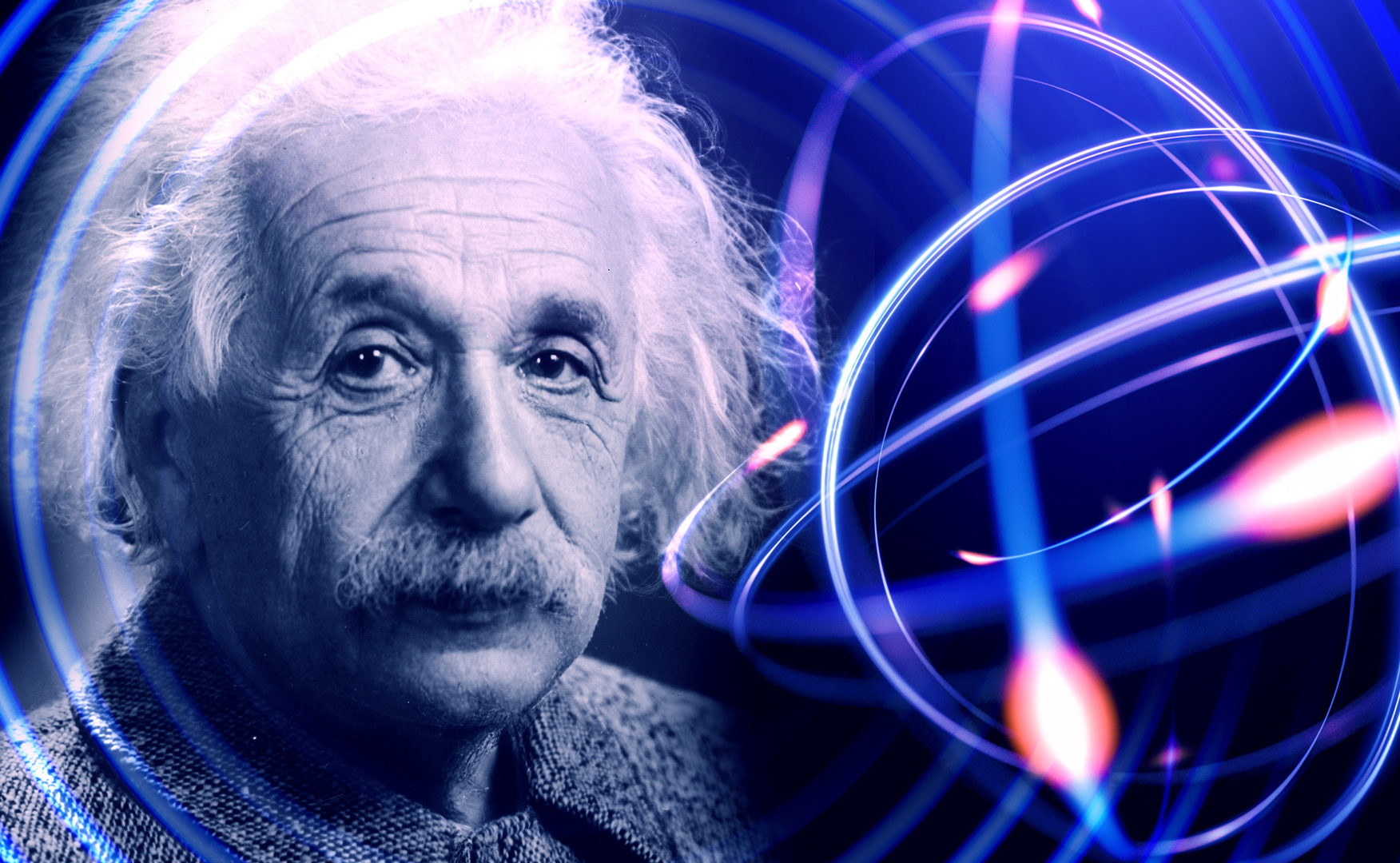
In celebration of the 100th anniversary of Einstein’s general theory of relativity, we examine its essential insights, its lingering questions, the latest work it has sparked, and the allied fields of research that have resulted.
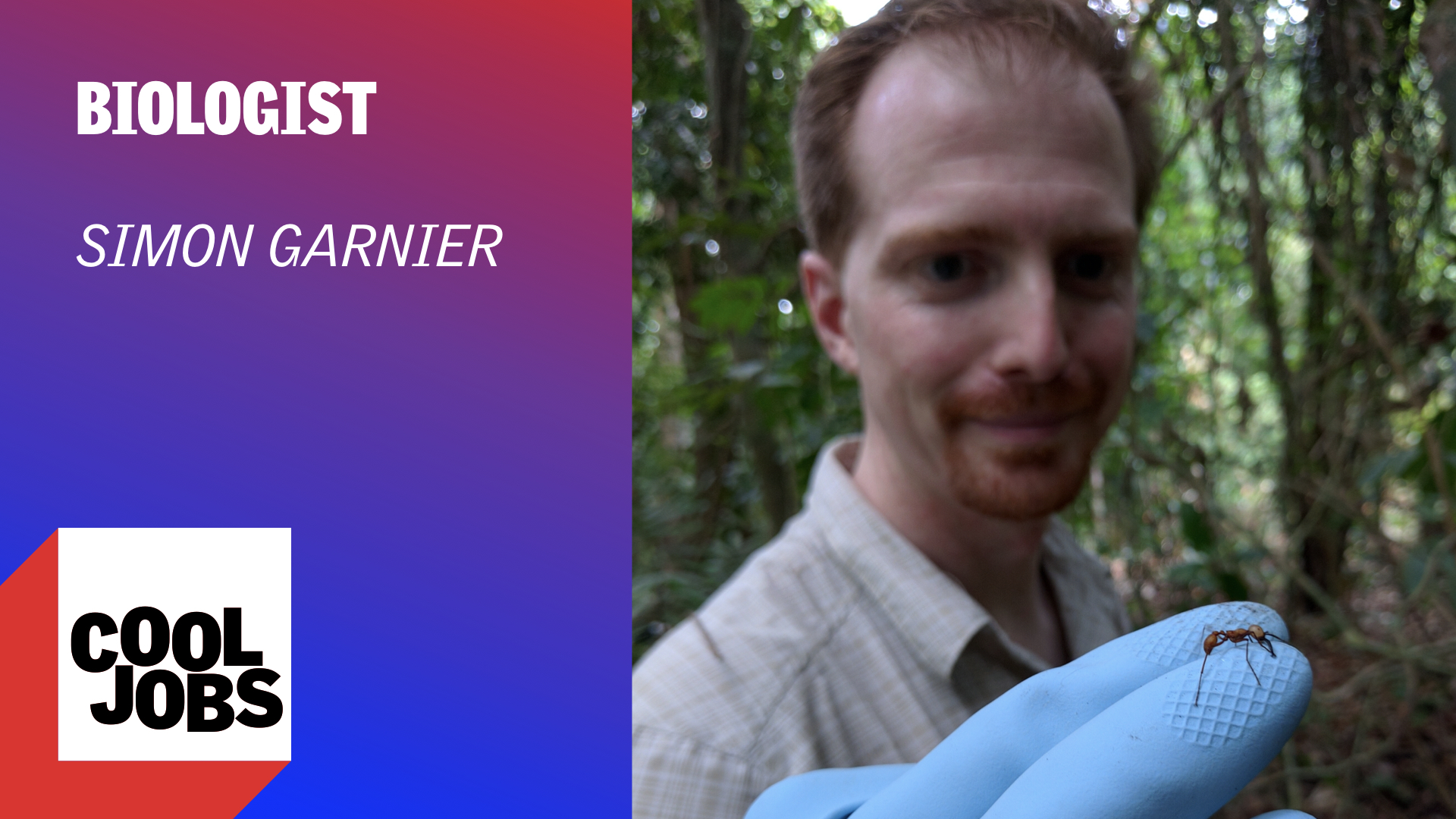
Watching ants and playing with robots is biologist Simon Garnier’s Cool Job as he studies how people and animals swarm in large groups. Garnier discovers these animals work together to …
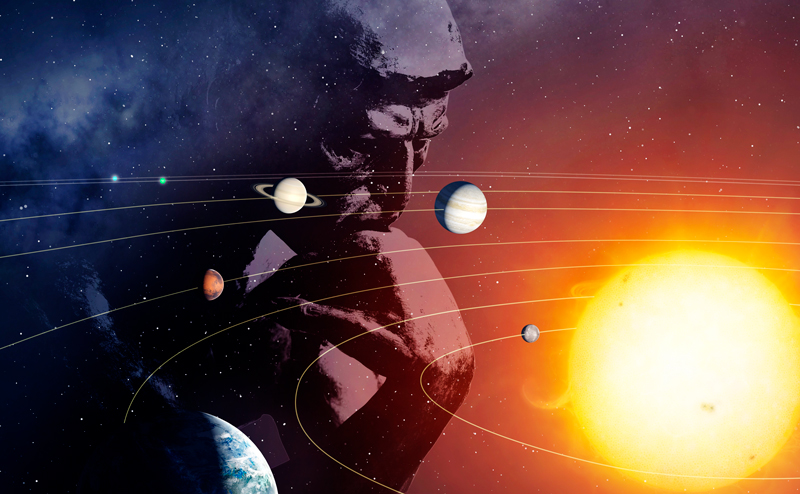
Is our universe unique or one of many? What happened before the Big Bang? Why is there something rather than nothing? Physicists and cosmologists are closing in on how the …
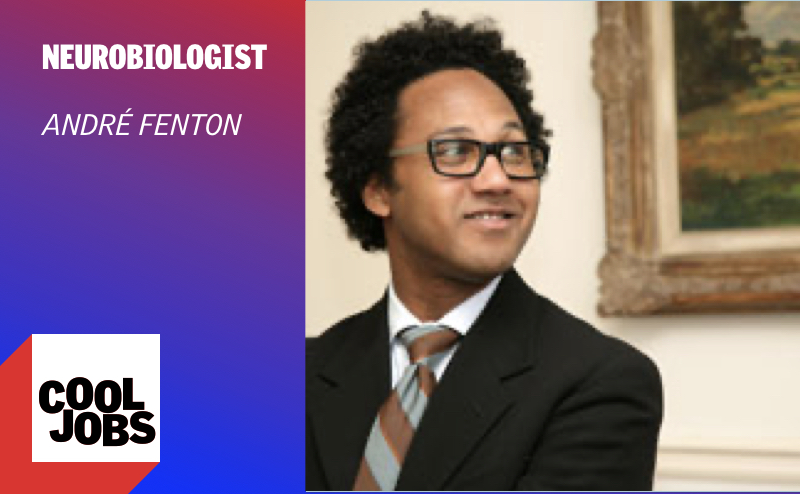
Neuroscientist André Fenton’s fascination with the human brain led him to study how we interpret the world. Check him out as he leads a group of students through interactive games …
Microscopic, manmade nanoparticles have found their way into almost every part of our daily lives from clothing, to skin care, our cell phones, and even the soil. But how safe …