Search Icon



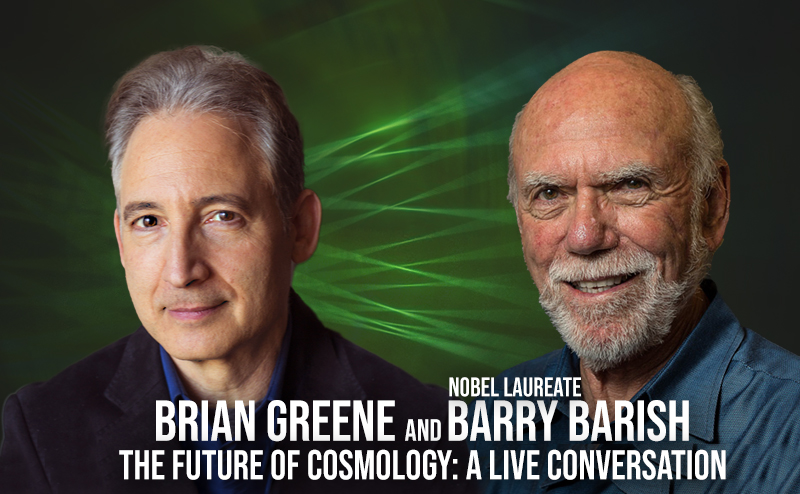
Nobel Laureate Barry Barish and Brian Greene discuss the quickly-evolving world of gravitational waves detections—from the first detection on September 14, 2015 to its public announcement five months later through …

In the future, a woman with a spinal cord injury could make a full recovery; a baby with a weak heart could pump his own blood. How close are we today to the bold promise of bionics—and could this technology be used to improve normal human functions, as well as to repair us?
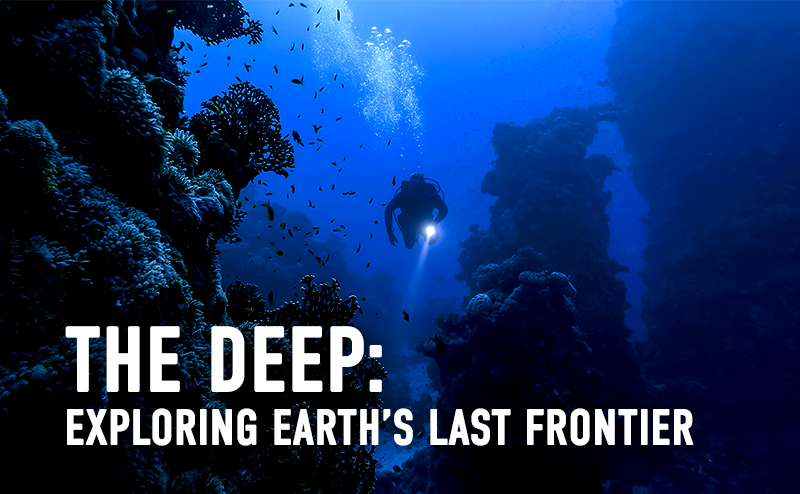
For centuries, humans believed the deep sea was lifeless, but new technologies have revealed that this previously hidden realm is home to rich ecosystems, mineral treasures, and an astounding kaleidoscope …

Sexuality and gender play a profound role in shaping identity, but for much of human history how they are determined has remained obscure. How does sexual orientation develop? What is it? Can it be changed?
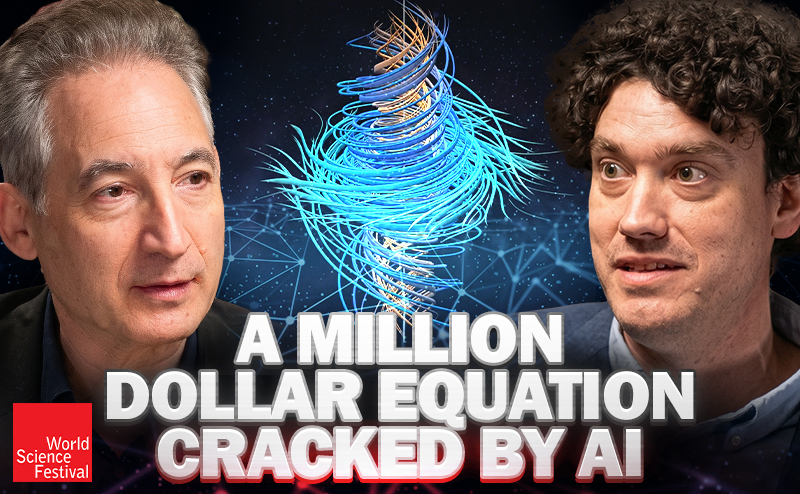
Has a machine just solved one of the most famous open problems in mathematics? Brian Greene speaks with Tristan Buckmaster, professor of mathematics at NYU’s Courant Institute, about the Navier-Stokes …

Meet “Barf” the turkey vulture and learn from Tanya Lowe what it’s like to be a conservationist. Episode filmed live at the 2015 World Science Festival in New York City. The …