Search Icon




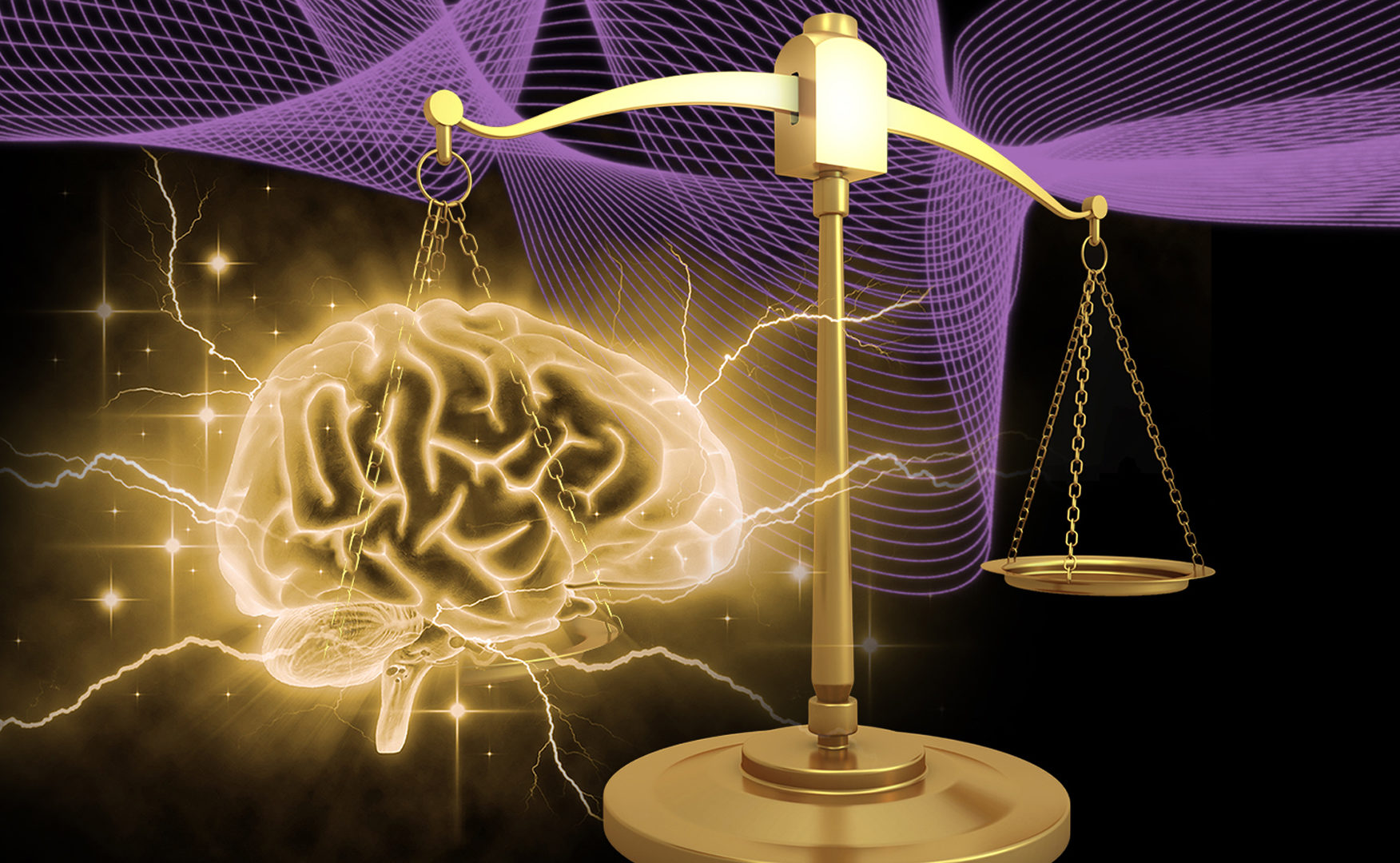
What if we could peer into a brain and see guilt or innocence? Brain scanning technology is trying to break its way into the courtroom, but can we—and should we—determine criminal fate based on high-tech images of the brain?

This video is part of our Brilliant Breakthroughs series: our new 20-episode mini-series exploring the “Eureka!” moments and proud accomplishments of the greatest scientific minds of our time. Join us …
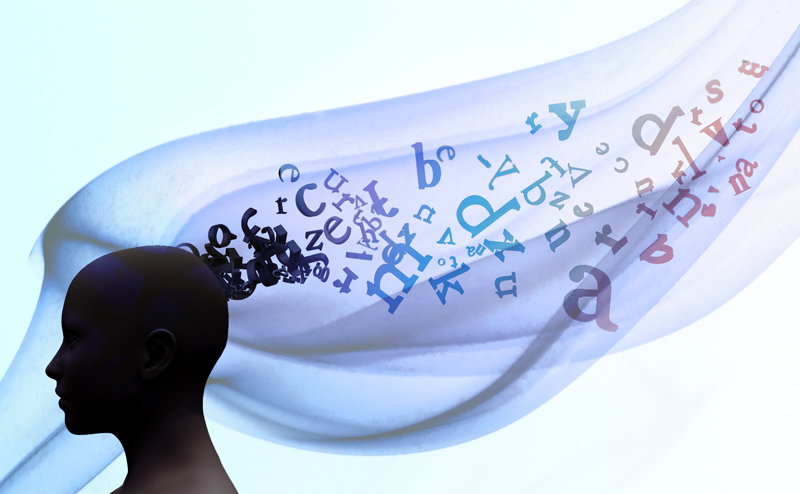
Language ranks among the most powerful influences on human existence. Even so, language presents many mysteries that are the subject of heated debate. Was there a rewiring of the human …
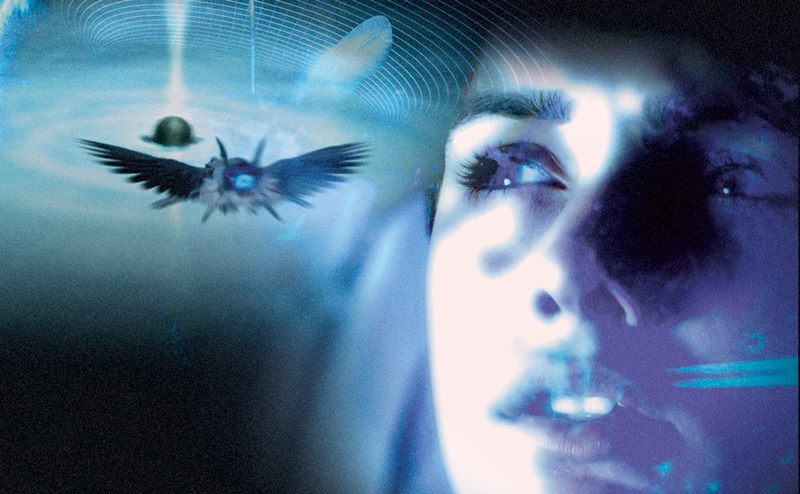
Icarus at the Edge of Time is a mesmerizing tale set in outer space about a boy who challenges the awesome might of a black hole. Based on the children’s book by physicist Brian Greene, this futuristic re-imagining of the classic myth takes audiences of all ages on a whirlwind voyage through space and time to the very edge of understanding.

A compelling narrative is the true heart of science writing, whether it comes in the form of a science fiction classic like Frankenstein or a physicist’s blog posts. But what are the specific ways that writers illuminate and humanize science?
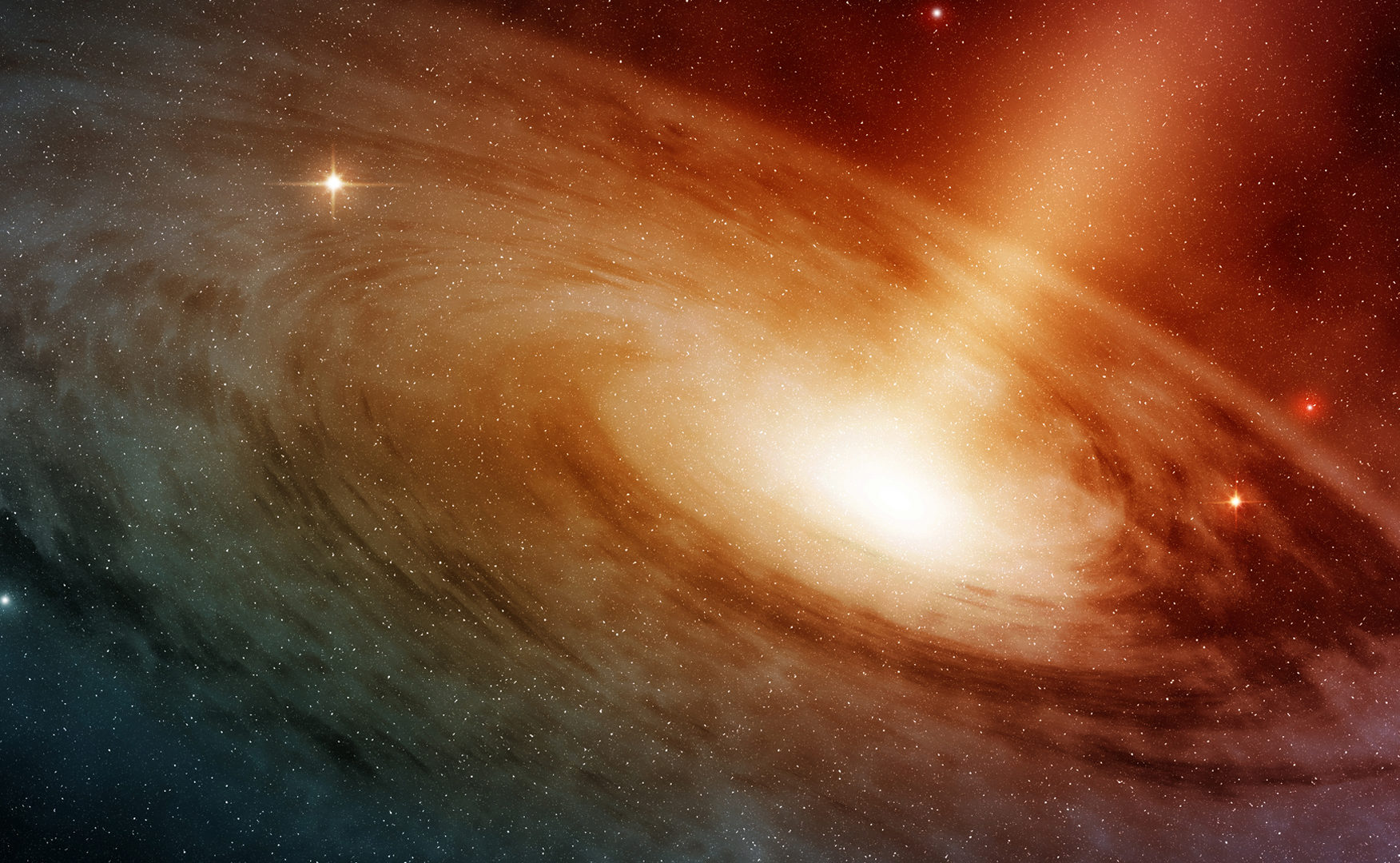
In what many call a “golden age of cosmology”, astronomers can now observe the universe with unprecedented precision, resulting in spectacular progress in the search for the origin of the universe. Yet, for all the impressive progress, fundamental questions remain. What is the mysterious “dark energy” driving space to rapidly expand?