Search Icon





Humans are heading back to the moon…and this time, they have plans to stay. National and international space agencies, and private enterprise, are joining forces with the goal of establishing …

In this highly entertaining performance combining math with magic, Arthur Benjamin—aka, the the “Mathemagician”—displays amazing feats of mental mathematical gymnastics and explains the secrets behind his lightning-fast math skills. How does the Mathemagician best an electronic calculator?
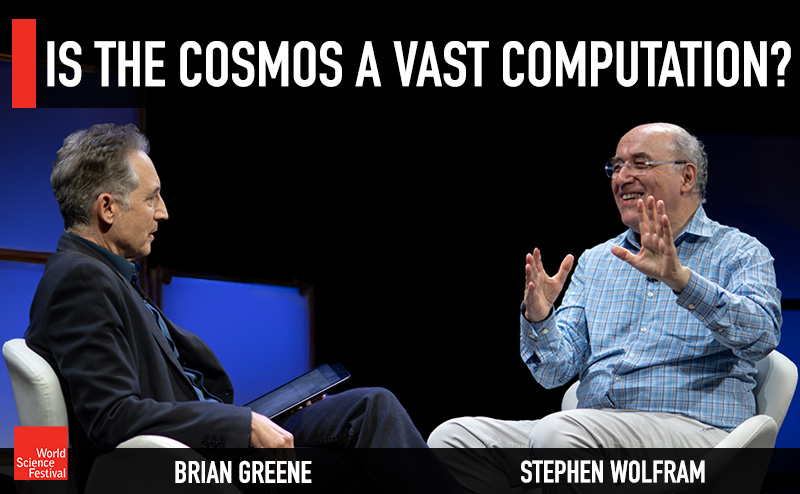
Pioneering computer scientist and physicist Stephen Wolfram joins Brian Greene to discuss the interplay between physical law, computation, and artificial intelligence.
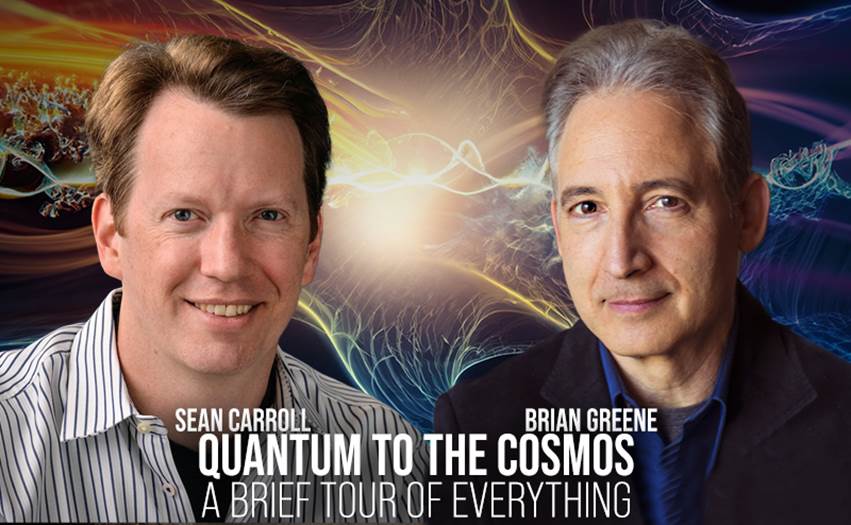
Sean Carroll, best-selling author and professor of physics and philosophy, joins Brian Greene for a wide-ranging conversation spanning the quantum to the cosmos–teeing up their live event in NYC on …
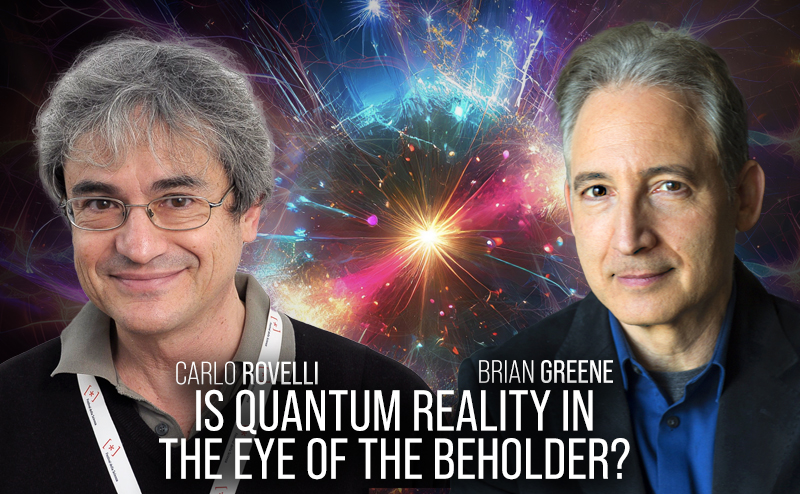
Can we address mysteries of quantum mechanics by supposing that properties of objects long considered to have an independent existence are actually determined solely in relation to other objects or …
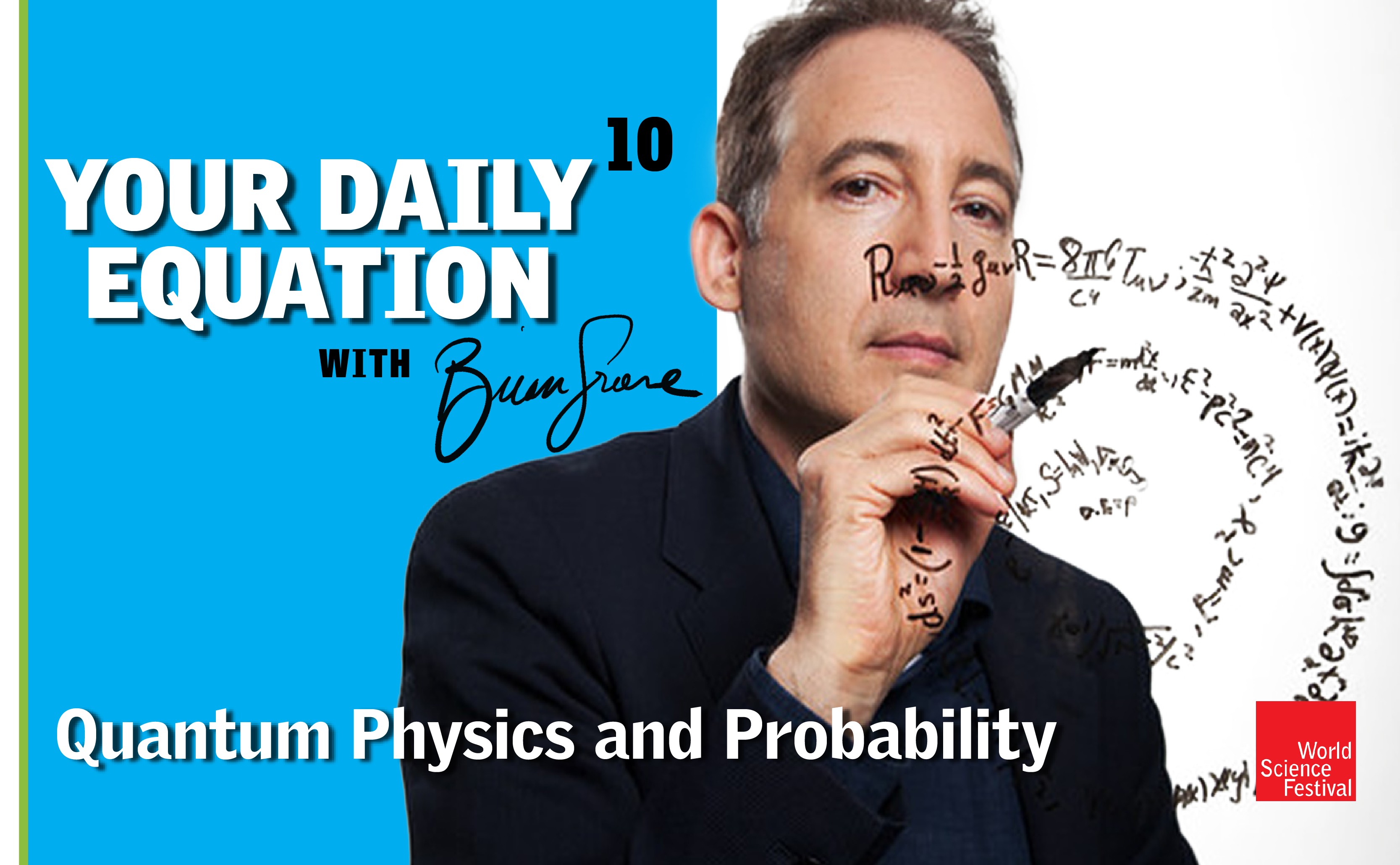
#YourDailyEquation with Brian Greene offers brief and breezy discussions of the most pivotal equations of the ages. Even if your math is a bit rusty, these accessible and exciting stories of …