129,189 views | 01:22:33







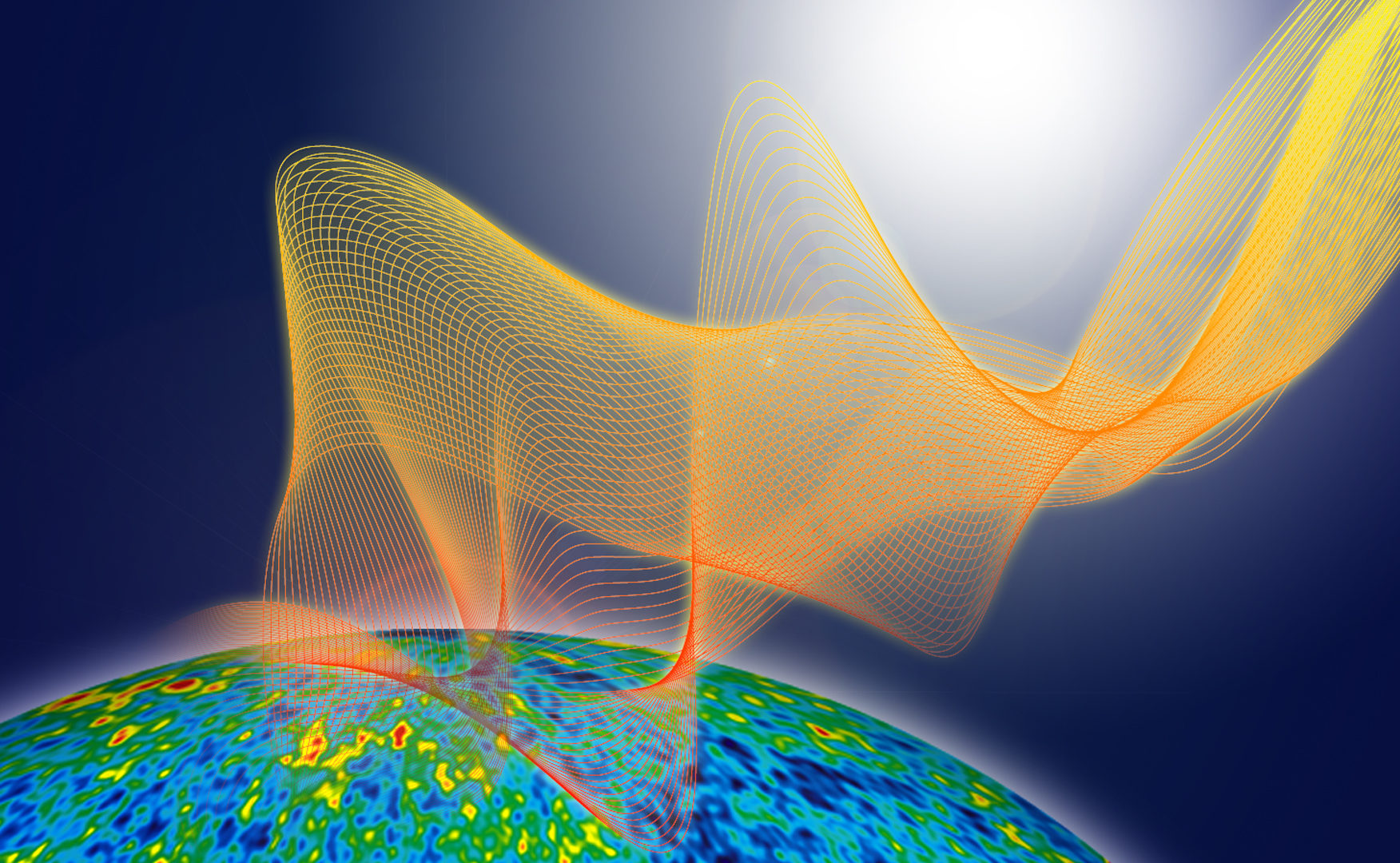
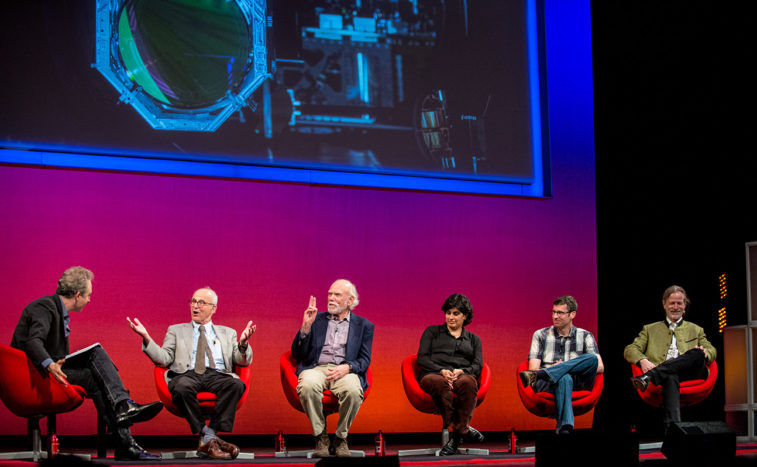
Drawing on a range of disciplines, this provocative program looked at how discoveries in areas like fundamental physics, anthropology, and genomics are influencing our understanding of uniquely human characteristics. As science increasingly tests these boundaries — from the roots of morality and our capacity to contemplate our own existence to the emergence of artificial intelligence — what will it mean to be human?
This program is part of the Big Ideas Series, made possible with support from the John Templeton Foundation
Drawing on a range of disciplines, this provocative program looked at how discoveries in areas like fundamental physics, anthropology, and genomics are influencing our understanding of uniquely human characteristics. As science increasingly tests these boundaries — from the roots of morality and our capacity to contemplate our own existence to the emergence of artificial intelligence — what will it mean to be human?
This program is part of the Big Ideas Series, made possible with support from the John Templeton Foundation
Emmy award winning journalist Charlie Rose has been praised as “one of America’s premiere interviewers.” He is the host of Charlie Rose, the nightly PBS program that engages America’s preeminent thinkers, writers, politicians, athletes, entertainers, business leaders, scientists and other newsmakers.
Read More
Ian Tattersall is a prominent anthropologist whose work focuses on the evolution of humans and other primates. He is a curator emeritus for the division of anthropology at the American Museum of Natural History in New York City and an adjunct professor at Columbia University and the City University of New York.
Read More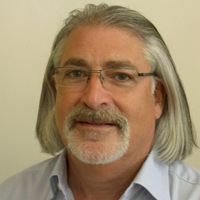
Sociologist Nikolas Rose is interested in how genomics affects personal identity and the social and legal ramifications of studying the human genome. He is the James Martin White Professor of Sociology and the Director of the BIOS Centre for the Study of Bioscience, Biomedicine, Biotechnology and Society at the London School of Economics.
Read More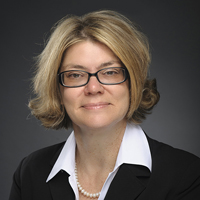
Reijo Pera is a professor and the Director of Human Embryonic Stem Cell Research and Education Center at Stanford University. Her research is aimed at understanding the developmental genetics of human germ cell formation and differentiation.
Read More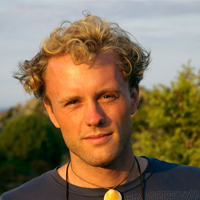
Combining elements of computer science, anthropology, visual art and storytelling, Jonathan Harris designs systems to explore and explain the human world. He has made projects about human emotion, human desire, modern mythology, science, news, anonymity, and language.
Read More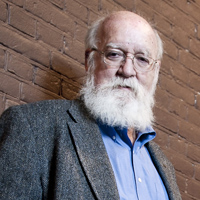
Daniel C. Dennett is a University Professor and Austin B. Fletcher Professor of Philosophy, as well as Co-Director of the Center for Cognitive Studies at Tufts University.
Read More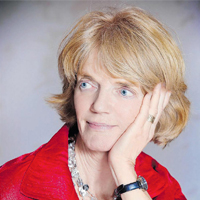
Neuroethicist Patricia Churchland explores the complex philosophical and ethical impact that the rapidly expanding field of neuroscience has on society. She is the President’s Professor of Philosophy at the University of California, San Diego, and an adjunct professor at the Salk Institute for Biological Studies, La Jolla.
Read More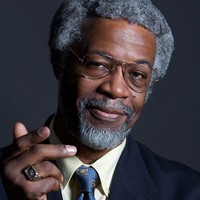
Sylvester James (Jim) Gates, Jr. is currently the John S. Toll Professor of Physics at the University of Maryland-College Park. In spring of 2009 he was appointed to serve on President Obama’s Council of Advisors on Science and Technology and the Maryland State Board of Education.
Read More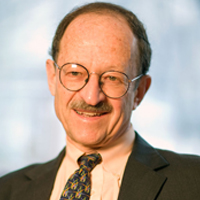
Harold Varmus, M.D., co-recipient of the Nobel Prize for studies of the genetic basis of cancer, joined the Meyer Cancer Center of Weill Cornell Medicine as the Lewis Thomas University Professor of Medicine on April 1, 2015.
Read More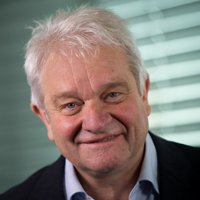
Paul Nurse is a geneticist and cell biologist who has worked on how the eukaryotic cell cycle is controlled and how cell shape and cell dimensions are determined. His major work has been on the cyclin dependent protein kinases and how they regulate cell reproduction.
Read More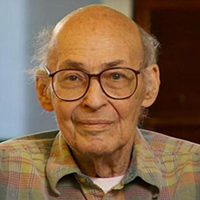
Marvin Minsky is one of the pioneers of artificial intelligence and had made numerous contributions to the fields of AI, cognitive science, mathematics and robotics. His current work focuses on trying to imbue machines with a capacity for common sense.
Read More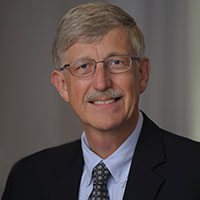
Francis Collins is known for his landmark discoveries of disease genes and leadership of the Human Genome Project, an international project that culminated in 2003 with the completion of a finished sequence of the human DNA instruction book.
Read More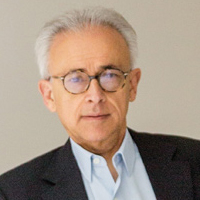
Antonio Damasio is one of the world’s leading neurologists and neuroscientists and has made seminal contributions to the understanding of how the brain processes emotion, decision, and consciousness.
Read More