





Participants
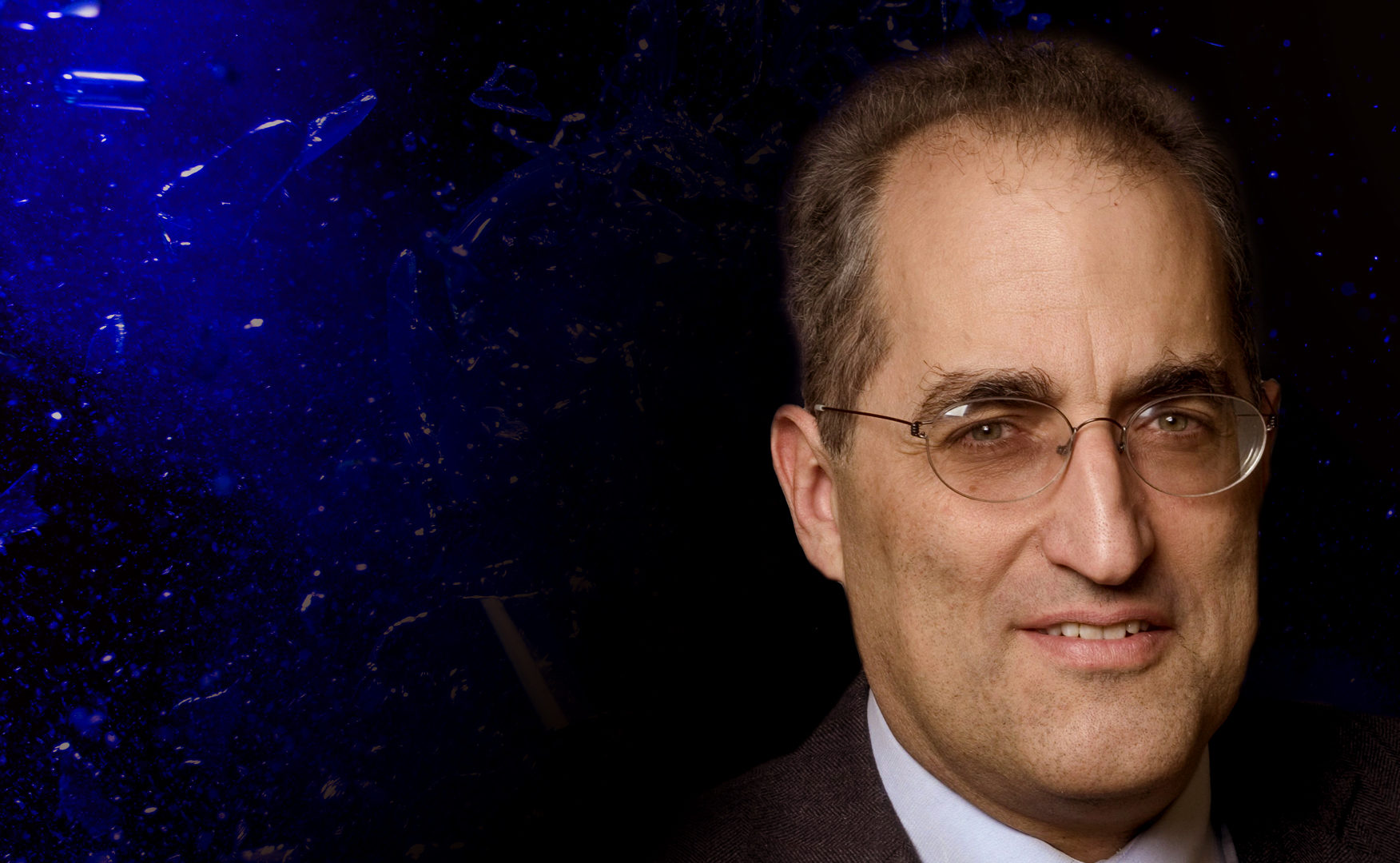
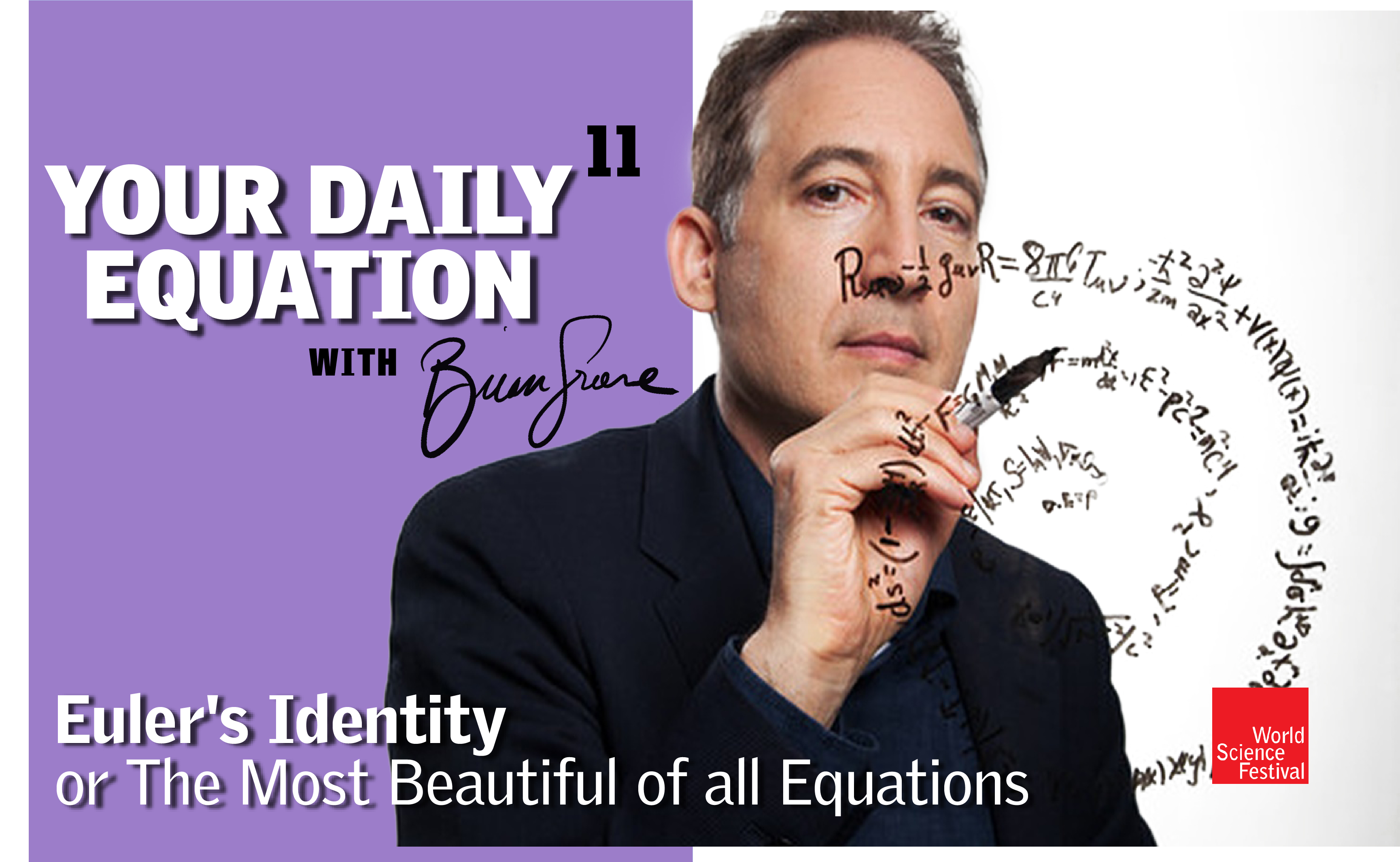
Brian Greene is a professor of physics and mathematics at Columbia University, and is recognized for a number of groundbreaking discoveries in his field of superstring theory. His books, The Elegant Universe, The Fabric of the Cosmos, and The Hidden Reality, have collectively spent 65 weeks on The New York Times bestseller list.
Read More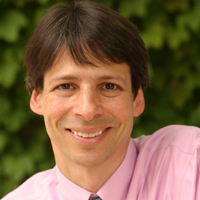
A professional magician, Arthur Benjamin can multiply large numbers faster than a calculator, figure out the weekday of any date in history, and has memorized the decimal numbers of Pi out to 100 digits.
Read More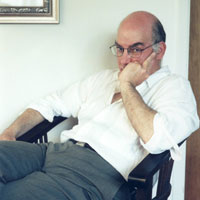
Gregory Chaitin is a mathematician and computer scientist who began making lasting contributions to his field while still a student at the Bronx High School of Science. His approach to mathematics views the field as much as an art form as science and inextricably linked with philosophical questions.
Read More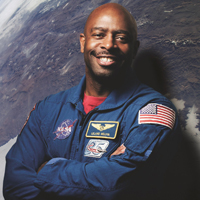
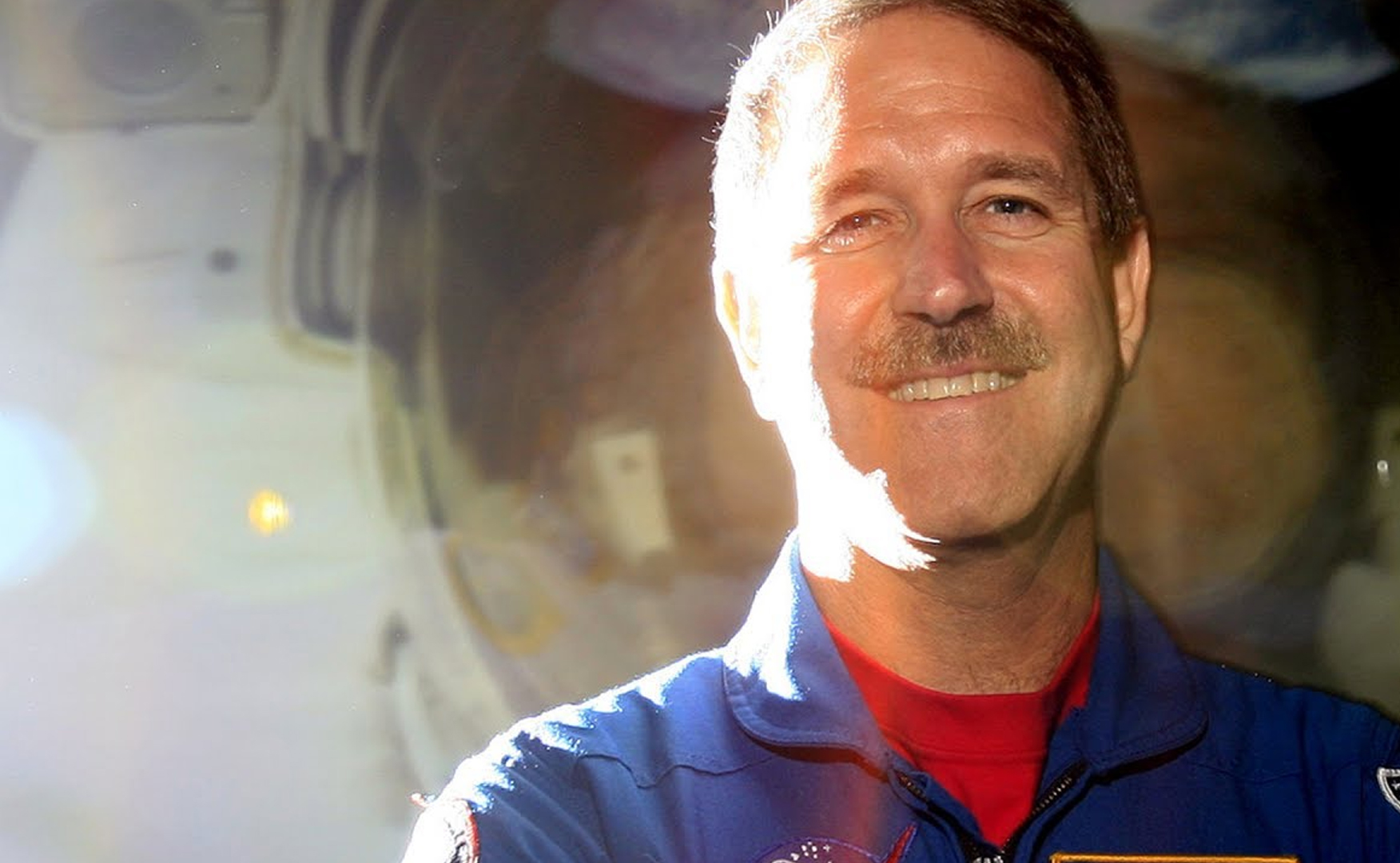
A former wide receiver for the Detroit Lions, Leland Melvin is an engineer and NASA astronaut. He served on the space shuttle Atlantis as a mission specialist and was named the NASA Associate Administrator for Education in October 2010.
Read More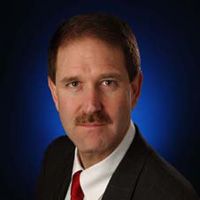
John M. Grunsfeld was named Associate Administrator for the Science Mission Directorate at NASA Headquarters in Washington, D.C. in 2012. He previously served as the Deputy Director of the Space Telescope Science Institute in Baltimore.
Read More
Marvin Minsky is one of the pioneers of artificial intelligence and had made numerous contributions to the fields of AI, cognitive science, mathematics and robotics. His current work focuses on trying to imbue machines with a capacity for common sense.
Read More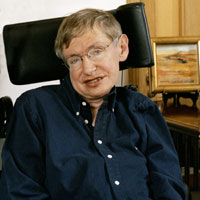
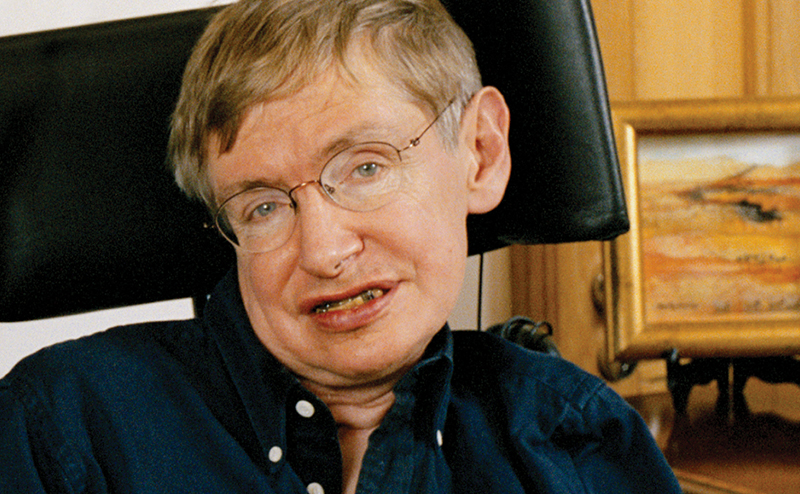
Stephen W. Hawking is one of the world’s foremost theoretical physicists. His dramatic breakthroughs into the origin of the universe and the properties of black holes are among the most revolutionary insights into the nature of the cosmos since the work of Albert Einstein.
Read More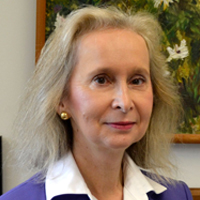
Anna Nagurney is the John F. Smith Memorial Professor in the Department of Finance and Operations Management at the University of Massachusetts, Amherst.
Read More
Shreya Amin, a senior at Manhattan Center for Science and Mathematics, has a knack for discovering and learning more about the world through science.
Read More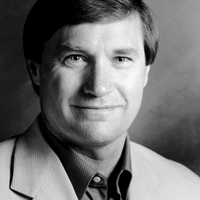
John Barrow is a research professor of mathematical sciences in the Department of Applied Mathematics and Theoretical Physics at the University of Cambridge in England. He is also the author of nearly twenty books for a general audience, including The Book of Nothing.
Read More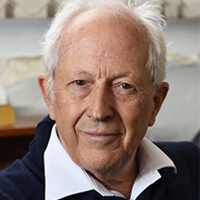
George Ellis is Professor Emeritus of Applied Mathematics at the University of Capetown and investigates cosmology, the nature of time, and the emergence of complexity. He is the co-author with Stephen Hawking of The Large Scale Structure of Space Time.
Read More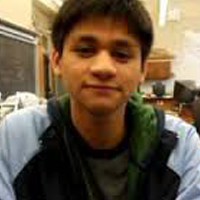
Jesse Flores, a senior at Manhattan Center for Science and Mathematics, first developed a love for science when he picked up The Anatomy of the Human Body. He’s since worked with lasers and with the bacteria staphylococcus, and is currently researching weather tracking systems. He can often be found playing handball or embarking on culinary and scenic adventures around town.
Read More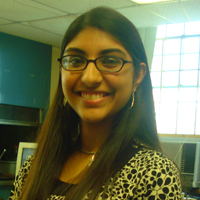
Aneela Gillani, a junior at Manhattan Center for Science and Mathematics, is passionate about biology and is working towards a career in medicine. Her extracurricular activities include Model United Nations and the National Honors Society, and she’s also enrolled in the Advanced Science Research program.
Read More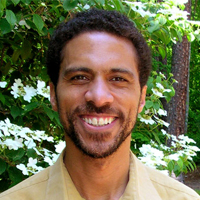
At Duke University, neurobiologist Erich Jarvis leads a team that studies the abilities of songbirds, parrots and hummingbirds to learn new sounds and pass along a vocal repertoire in to the next generation.
Read More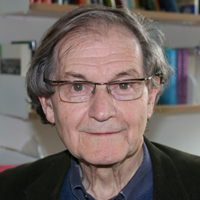
Sir Roger Penrose has made seminal contributions to our understanding of space and time. In describing the initial conditions of the universe, he provided the foundation for studying the origins of the arrow of time.
Read More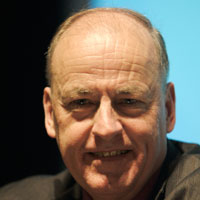
Recognized mathematician and computer scientist Brian Snow’s early work spans from teaching mathematics and laying the groundwork for a computer science department at Ohio University in the 1960’s, to working as a cryptologic designer and architect at the National Security Agency (NSA) in the 1970s.
Read More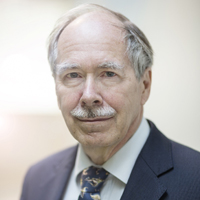
Gerardus ’t Hooft is a Dutch theoretical physicist and Nobel laureate. He shared the 1999 Nobel Prize in Physics with Martinus Veltman. Born and raised in the Netherlands, ’t Hooft studied theoretical physics and mathematics at Utrecht University, where in 1977 he became Professor of theoretical physics.
Read More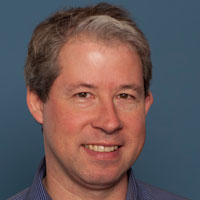
Renowned for his influential contributions to string theory and its application in mathematics, particle physics, cosmology, and black hole physics, Herman Verlinde’s research has been widely recognized through many awards and fellowships.
Read More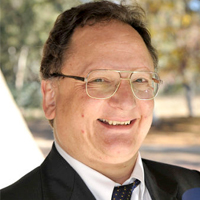
Recognized mathematician and noted expert on the number Pi, Jonathan Borwein is the author of several hundred research papers and over a dozen books spanning the topics of optimization, analysis, computation, and experimental mathematics.
Read More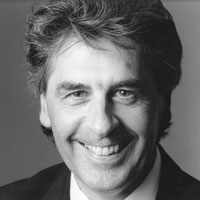
Known as the “Math Guy” on National Public Radio and author of 30 books and over 80 published research articles, Keith Devlin is a recognized mathematician. In 2003, he was lauded by the California State Assembly for his “innovative work and longtime service in the field of mathematics and its relation to logic and linguistics.”
Read More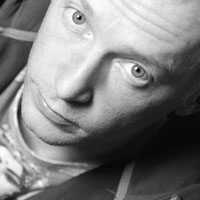
Mathematician, researcher, writer and radio presenter Marcus du Sautoy has contributed to the Times, Daily Telegraph, Independent and the Guardian. For several years, he wrote a regular column in the Times called Sexy Science. He is also a frequent commentator on BBC radio and television.
Read More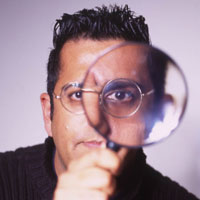
Simon Singh’s documentary about Fermat’s Last Theorem was the winner of a BAFTA in the UK and was nominated for an EMMY. His publication on the same subject, Fermat’s Enigma, is the first book about mathematics to become a number one bestseller in the UK and has since been translated into 30 languages.
Read More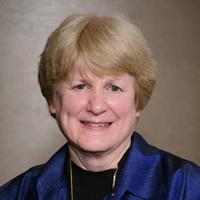
Mary-Claire King, PhD, is American Cancer Society Professor in the Department of Medicine and the Department of Genome Sciences at the University of Washington in Seattle. She was the first to show that breast cancer is inherited in some families, as the result of mutations in the gene that she named BRCA1.
Read More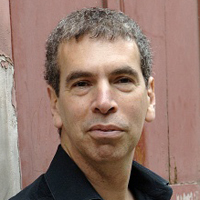
David Bodanis is known to a wide audience as an author of popular science books such as the highly acclaimed E=mc²: A Biography of the World’s Most Famous Equation and Electric Universe, which won the 2006 Royal Society Aventis Prize for Science Books.
Read More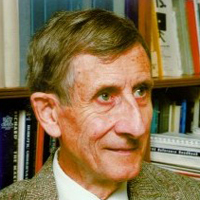
Freeman Dyson, born and raised in England, excelled in all subjects from a very young age, going on to specialize in mathematics and theoretical physics in his studies at the University of Cambridge.
Read More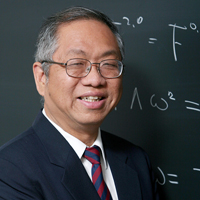
Shing-Tung Yau is the William Casper Graustein Professor of Mathematics at Harvard University. He was the recipient of the 1982 Fields Medal for his extensive work in differential geometry, the study of mathematical generalizations of curved surfaces.
Read More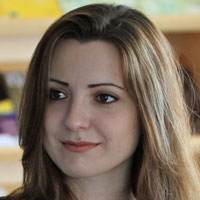
After having obtained a BA and Ph.D. in Mathematics from Harvard, Corina Tarnita applies her knowledge of mathematics to study evolution and evolutionary dynamics.
Read More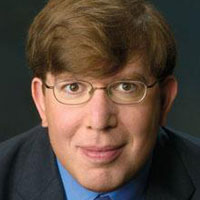
Before joining the Department of Journalism, Charles Seife was a writer for Science magazine and had been a U.S. correspondent for New Scientist. He holds an A.B. in mathematics from Princeton University, an M.S. in mathematics from Yale University, and an M.S. in journalism from Columbia University.
Read More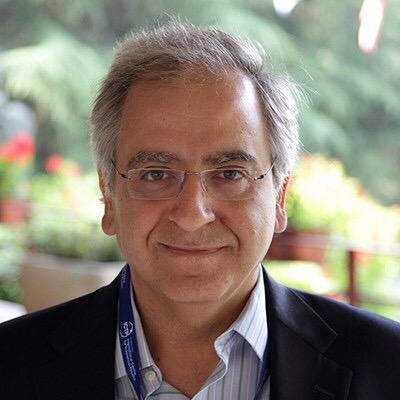
Breakthrough Prize
Cumrun Vafa is the Hollis Professor of Mathematics and Natural Philosophy at Harvard University. He received his BS in Math and Physics from MIT in 1981 and his PhD in …
Read More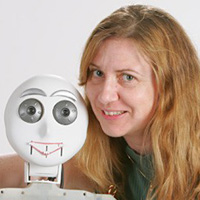
Maja Matarić is at the forefront of the growing field of “socially assistive” robotics, building intelligent machines that can interact with humans socially, rather than physically, to help them learn new skills or recover from illness and injury.
Read More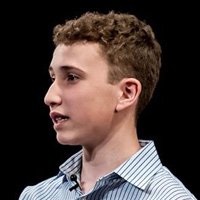
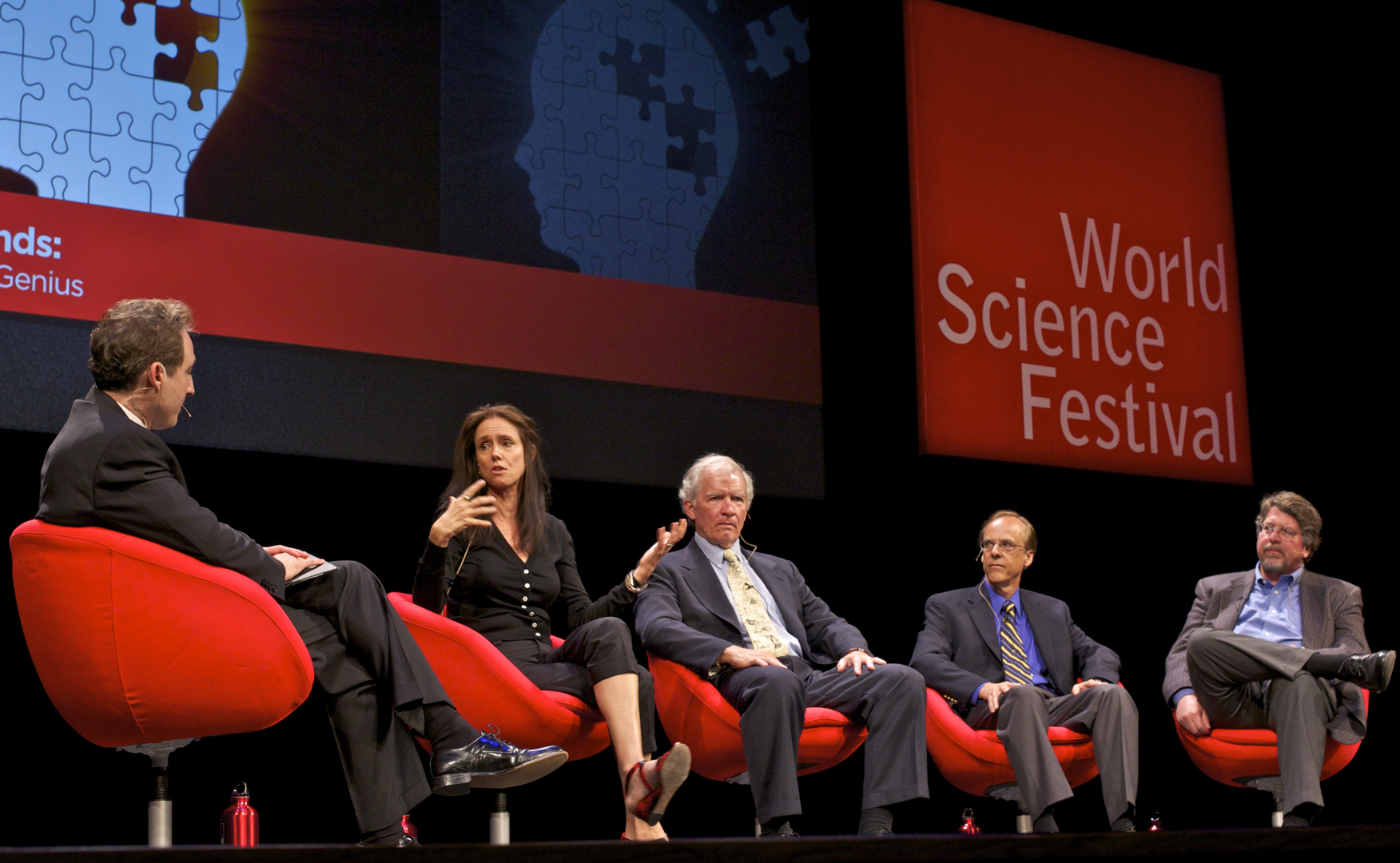
Ethan Brown is a 12-year-old “Mathemagician.” After watching an online video of Arthur Benjamin’s performance at TED, Ethan was inspired to learn the art and science of performing Mental Mathematics on stage. He began with a 5th-grade talent show in May 2010 and only 1 month later joined Benjamin onstage at The World Science Festival in NYC.
Read More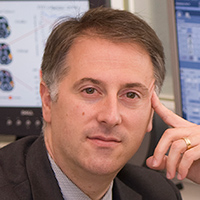
Nicholas Schiff studied history and philosophy of science at Stanford University before training as a physician at Cornell University Medical College. Following a detour into further training in applied mathematics, he completed a residency in neurology and post-doctoral training in quantitative systems neurophysiology.
Read More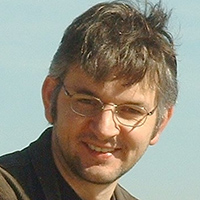
Peter Hoffmann is a professor of physics at Wayne State University and an Associate Dean in the College of Liberal Arts and Sciences. His research interests are the area of nanomechanics, biophysics and atomic force microscopy. He is one of the founders of the Wayne State Biomedical Physics program.
Read More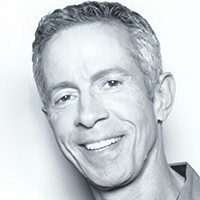
Peter Staley has been a long-term AIDS and gay rights activist, first as a member of ACT UP New York, then as the founding director of TAG, the Treatment Action Group. He served on the board of the American Foundation for AIDS Research (amfAR) for 13 years.
Read More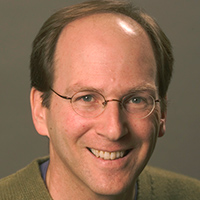
Steven Strogatz is the Jacob Gould Schurman Professor of applied mathematics at Cornell University. He studied at Princeton, Cambridge, and Harvard and taught at MIT before moving to Cornell. He is a renowned teacher and one of the world’s most highly cited mathematicians.
Read More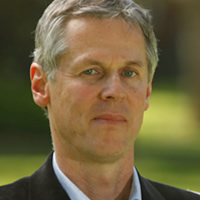
Andreas Albrecht is a leading theoretical cosmologist. He received his Ph.D. from the University of Pennsylvania in 1983 where, with Paul Steinhardt, he wrote one of the original papers on “new” or “slow roll” inflation.
Read More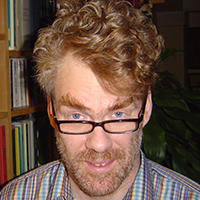
Joel David Hamkins conducts research in mathematical and philosophical logic, particularly set theory, with a focus on the mathematics and philosophy of the infinite.
Read More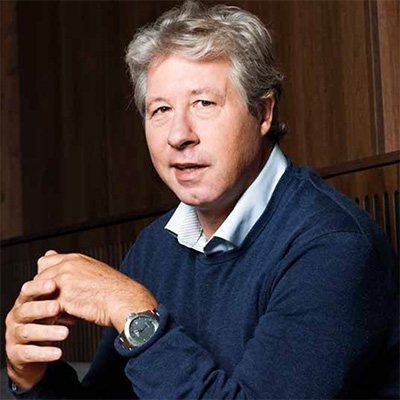
Erik Verlinde is a professor of theoretical physics at the University of Amsterdam. He is known for the Verlinde formula, which has a wide range of applications in physics and mathematics. In 2010, he attracted international attention with a paper in which he argued that gravity is emergent, and results from changes in the entropy associated with microscopic information.
Read More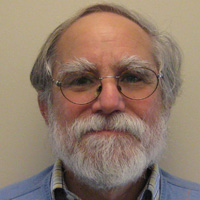
Sheldon Goldstein is a professor of mathematics, physics, and philosophy at Rutgers University. He studies the very foundations of quantum theory, probability theory, and statistical mechanics.
Read More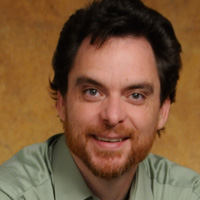
Tim Chartier is a mathematician and author whose work regularly appears in the Huffington Post Science blog. In 2014, he was named the inaugural Math Ambassador of the Mathematical Association of America. He is on the advisory council for MoMath, the first museum of mathematics in the U.S.
Read More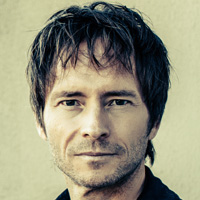
Edward Frenkel is a professor of mathematics at the University of California, Berkeley. He is a member of the American Academy of Arts and Sciences, a Fellow of the American Mathematical Society, and the winner of the Hermann Weyl Prize in mathematical physics.
Read More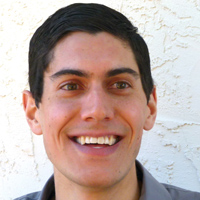
Naveen Sinha uses analogies from cooking to teach science. He has served as Teaching Fellow for the Science and Cooking course at Harvard University, helping illuminate the science of cocktails, the mathematics of cookie recipes, and the physics of chocolate.
Read More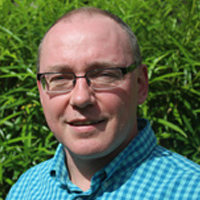
David Holland is a physical climate scientist who studies phenomena relating to the polar regions and their impacts on global climate. His current research focuses on the computer modeling of the interaction of the Earth’s ice sheets with ocean waters.
Read More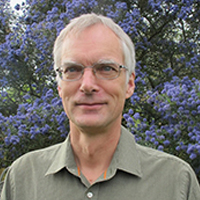
Ruediger Schack is a Professor at the Department of Mathematics at Royal Holloway, University of London. His research interests are quantum information theory, quantum cryptography, and quantum Bayesianism. He obtained his Ph.D. in Theoretical Physics at the University of Munich in 1991.
Read More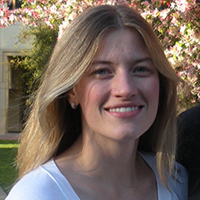
Dr. Sarah Kapnick is a National Science Foundation Postdoctoral Research Fellow in the Atmospheric and Oceanic Sciences Program at Princeton University and the United States National Oceanic and Atmospheric Administration’s Geophysical Fluid Dynamics Laboratory.
Read More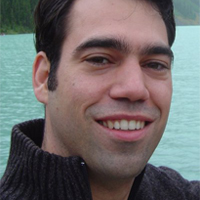
Kyle Cranmer is a physicist and a professor at New York University at the Center for Cosmology and Particle Physics and Affiliated Faculty member at NYU’s Center for Data Science. He is an experimental particle physicist working, primarily, on the Large Hadron Collider, based in Geneva, Switzerland.
Read More
Fields Medalist
Edward Witten is Charles Simonyi Professor in the School of Natural Sciences at the Institute for Advanced Study. His work has helped to bridge the gap between mathematics and physics, …
Read More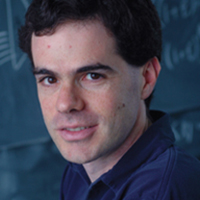
Daniel Gottesman is a faculty member at the Perimeter Institute in Waterloo, Ontario. He does research in the field of quantum computation, particularly quantum error correction, fault-tolerant quantum computation, quantum complexity, and quantum cryptography.
Read More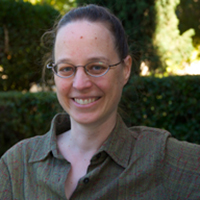
Eleanor G. Rieffel explores algorithm design and fundamental questions in quantum computation as a leader of NASA’s QuAIL team. Her book, Quantum Computing: A Gentle Introduction, with co-author Wolfgang Polak, was published by MIT Press and has received stellar reviews.
Read More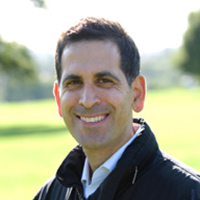
Roi Cohen Kadosh is a cognitive neuroscientist at the University of Oxford. His research focuses on the neurocognitive mechanisms of numerical understanding and mathematics in people with all ability levels.
Read More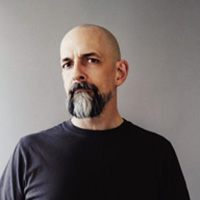
Neal Stephenson is an award-winning author and game designer known for his works of speculative fiction. His novels have been variously categorized as science fiction, historical fiction, cyberpunk, “postcyberpunk,” and “baroque”.
Read More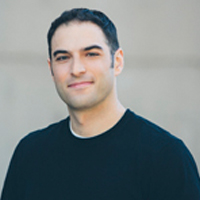
Jake Hofman is a Researcher at Microsoft Research in New York City, where his work in computational social science involves applications of statistics and machine learning to large-scale social data. Prior to joining Microsoft, he was a member of the Microeconomics and Social Systems group at Yahoo! Research.
Read More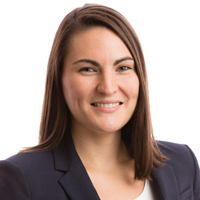
A trained musician-mathematician, Whitney L. Coyle found her calling in Acoustics, the science of sound. Coyle studied clarinet performance and mathematics at Murray State University in Kentucky and is a recent Acoustics Ph.D. from the Penn State Graduate Program in Acoustics.
Read More
France A. Córdova is an astrophysicist and the 14th director of the National Science Foundation (NSF), the only government agency charged with advancing all fields of scientific discovery, technological innovation, and science, technology, engineering and mathematics (STEM) education.
Read More
Dr. Skateboard is Bill Robertson, a Ph.D. in Education and a skateboarder for over thirty-five years. His academic areas of expertise are science education, curriculum development, and technology integration.
Read More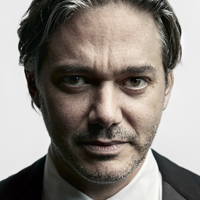
Matt Brown is the writer & director of The Man Who Knew Infinity starring Dev Patel, Jeremy Irons, Devika Bhise, Stephen Fry, and Toby Jones. The film was released domestically by IFC, and was produced by Edward R. Pressman of Pressman Film. It is the true story of a friendship that forever changed mathematics.
Read More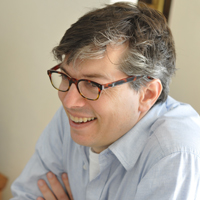
Chris Wiggins is an associate professor of applied mathematics at Columbia University and the Chief Data Scientist at The New York Times. At Columbia he is a founding member of the Department of Systems Biology, the executive committee of the Data Science Institute, and the Institute’s education and entrepreneurship committees.
Read More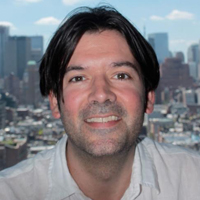
Neal Weiner received his undergraduate degree in Physics and Mathematics from Carleton College and a PhD in Physics from the University of California, Berkeley. After completing his postdoctoral training at the University of Washington, Dr. Weiner joined the faculty of the Department of Physics at NYU in 2004.
Read More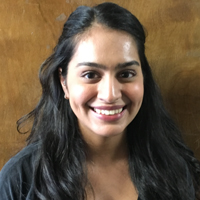
Anoopa Singh is a two-time graduate of CUNY Hunter College and holds degrees in Biology, Chemistry, and Education and is devoted to developing as both a scientist and a teacher. She proudly teaches Chemistry and AP Chemistry at her alma mater, Manhattan Center for Science and Mathematics.
Read More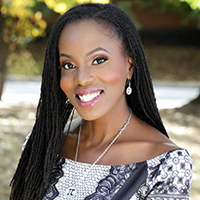
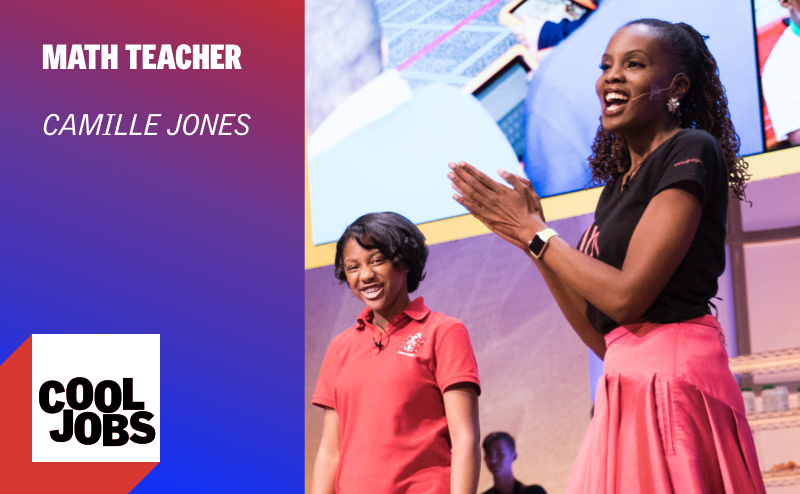
Dr. Valerie Camille Jones was recently honored with the Presidential Award for Excellence in Mathematics and Science Teaching, which is America’s highest honor in math and science for teachers. For over 16 years, Dr. Jones has served her country and the people of metropolitan Atlanta.
Read More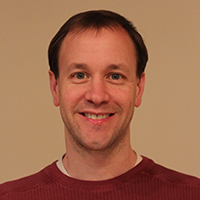
Mark Van Raamsdonk is a professor of physics at the University of British Columbia, where he also received his bachelor’s degree in mathematics and physics. He completed a Ph.D. in physics at Princeton University followed by postdoctoral research at Stanford University.
Read More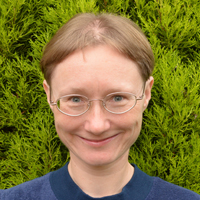
Veronika Hubeny is a theoretical physicist, currently a Professor in the Department of Physics at University of California, Davis. She is one of the founding members of the newly-formed Center for Quantum Mathematics and Physics (QMAP).
Read More
Dr. Jerry M. Chow is the Manager of the Experimental Quantum Computing group at IBM and a Distinguished Research Staff Member. His technical expertise is in the area of design, measurement, and integration of superconducting qubits.
Read More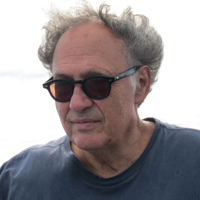
Barry Loewer is a philosopher of science currently teaching at Rutgers University in New Brunswick. He received a BA from Amherst College in philosophy and mathematics and a Ph.D. from Stanford. Loewer has also taught at Stanford, University of South Carolina, University of Michigan, and CEU in Budapest.
Read More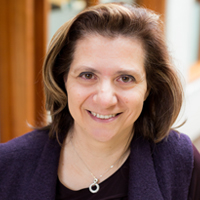
Vicky Kalogera directs the Center for Interdisciplinary Exploration and Research in Astrophysics (CIERA), and is the Daniel I. Linzer Distinguished University Professor in the Department of Physics and Astronomy at Northwestern. Kalogera is lead astrophysicist in the LIGO Scientific Collaboration (LSC)
Read More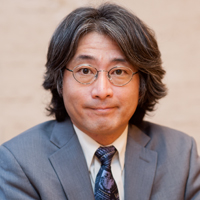
Hitoshi Murayama is a theoretical physicist who works on the connection between the physics of the small (elementary particles) and the large (the Universe). He is also a founding director of the Kavli Institute for the Physics and Mathematics of the Universe at the University of Tokyo and he’s a member of American Academy for Arts and Sciences, as well as Science Council of Japan.
Read More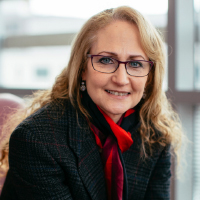
Jo Handelsman is the Director of the Wisconsin Institute for Discovery at the University of Wisconsin-Madison, as well as a Vilas Research Professor and Howard Hughes Medical Institute Professor. She is responsible for groundbreaking studies in microbial communication and work in the field of metagenomics.
Read More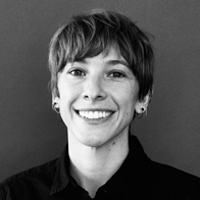
Natalie Wolchover is a senior writer at Quanta Magazine covering the physical sciences. Wolchover has a bachelor’s in physics from Tufts University, studied graduate-level physics at the University of California, Berkeley, and co-authored several academic papers in nonlinear optics.
Read More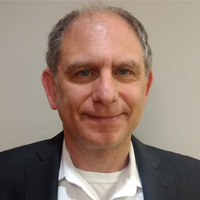
Clifford Stein is Professor of Industrial Engineering and Operations Research and of Computer Science at Columbia University. He is also a member of the Data Science Institute.
Read More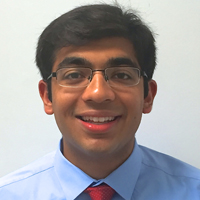
Neeraj Sakhrani is a rising sophomore at Columbia University planning to major in mathematics and pre-medicine. Accompanying his academic pursuits, Sakhrani is an associate editor for the Journal of Global Health.
Read More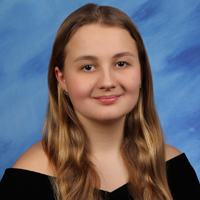
Vera Zarubin is a 17-year-old senior at the Bronx High School of Science and an incoming freshman at MIT. In the past two years, she has worked on four graduate-level research projects in applied physics and materials science.
Read More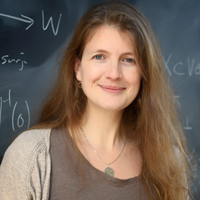
Lara Anderson is an Assistant Professor of Physics and Affiliate Professor of Mathematics, and currently a Hamlett Fellow in Integrated Science at Virginia Tech. She is currently visiting faculty at the Simons Center for Geometry and Physics.
Read More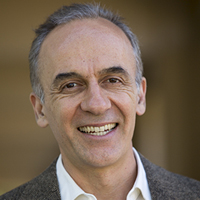
E.J. Chichilnisky is the John R. Adler Professor of Neurosurgery, and Professor of Ophthalmology, at Stanford University, where he has worked since 2013 after 15 years at the Salk Institute for Biological Studies.
Read More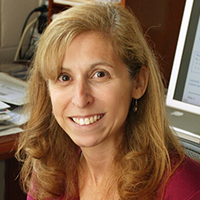
Naomi Leonard is the Edwin S. Wilsey Professor of Mechanical and Aerospace Engineering and associated faculty member of the Program in Applied and Computational Mathematics at Princeton University.
Read More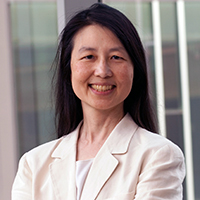
Jeannette M. Wing is Avanessians Director of the Data Science Institute and professor of computer science at Columbia University. Her current interests are in the foundations of security and privacy, with a new focus on trustworthy AI.
Read More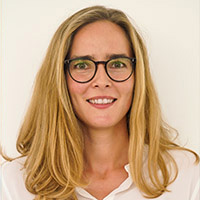
Silvia Jonas is a philosopher and Marie-Sklodowska-Curie Fellow at the Munich Center for Mathematical Philosophy. Her primary areas of research are in philosophy of mathematics and science, epistemology, and metaphysics.
Read More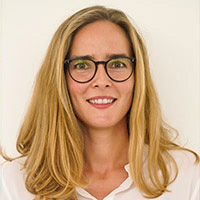
Silvia Jonas is a philosopher and Marie-Sklodowska-Curie Fellow at the Munich Center for Mathematical Philosophy. Her primary areas of research are in philosophy of mathematics and science, epistemology, and metaphysics. …
Read More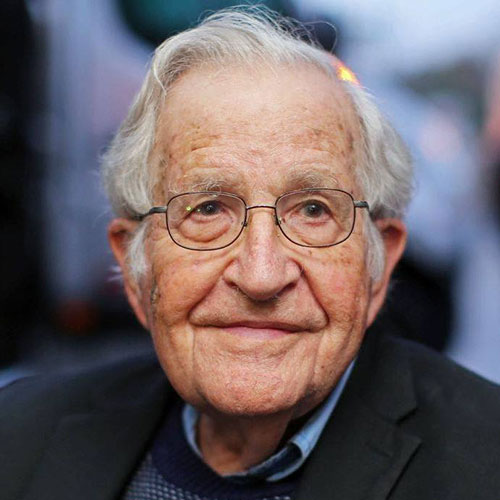
Noam Chomsky is a seminal figure in the field of linguistics, and ranks among the most cited widely scholars in modern history. In 1959, he revolutionized the study of modern …
Read More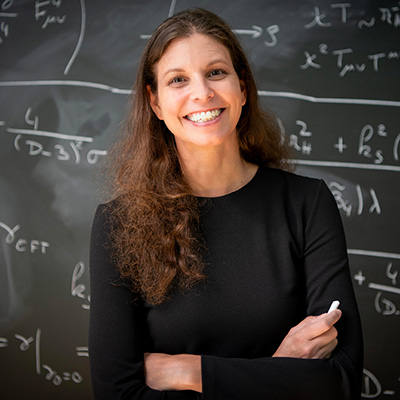
Blavatnik Award
Claudia de Rham is professor of theoretical physics in the Abdus Salam Centre for Theoretical Physics at Imperial, where she is also the Director. Her research challenges our understanding of …
Read More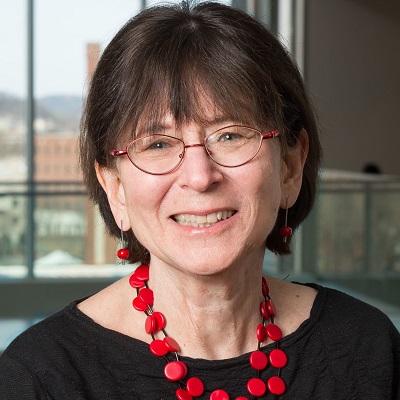
Lenore Blum (PhD, MIT) is Distinguished Career Professor Emerita of Computer Science at Carnegie Mellon University. Lenore’s research, from her early work in model theory and differential algebra has focused …
Read More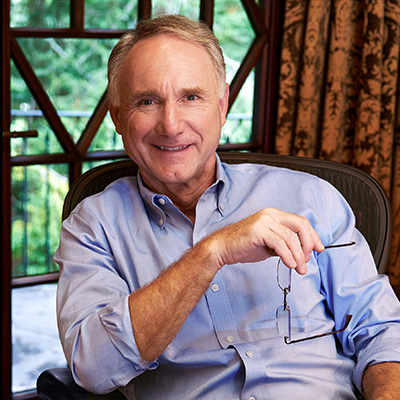
Dan Brown is the author of nine #1 bestselling novels, including The Da Vinci Code, which has become one of the bestselling books of all time and his much-anticipated new novel, The Secret of …
Read More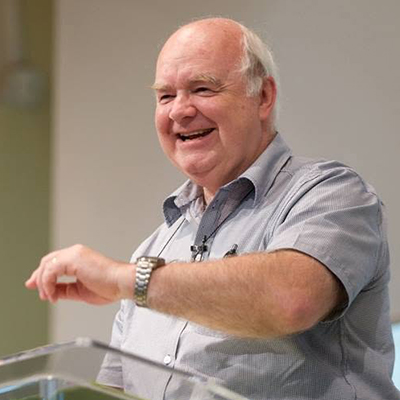
John Lennox is Professor of Mathematics at Oxford University (emeritus). He regularly teaches at many academic institutions, is Senior Fellow with the Trinity Forum, and has written a series of …
Read More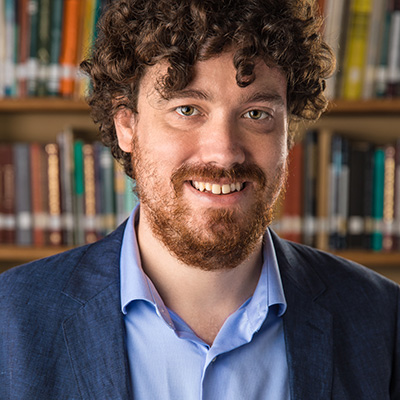
Tristan Buckmaster is an Australian-British mathematician who studies partial differential equations. Buckmaster studied mathematics at Monash University in Melbourne and at the University of Bonn. He received his PhD in …
Read More